
Baltimore Rising (2017)
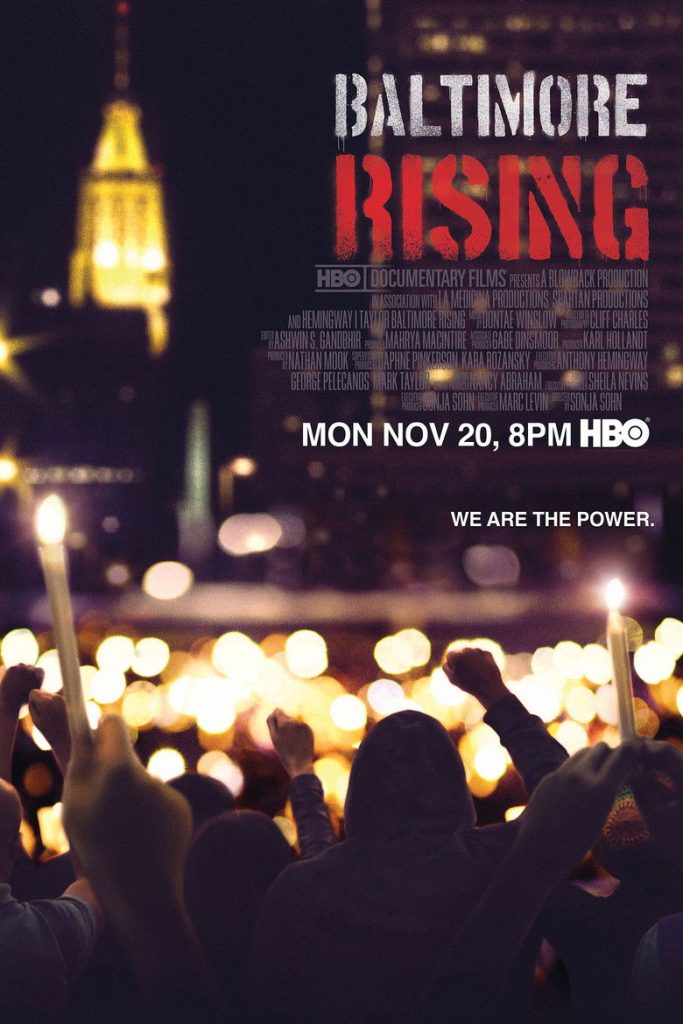
Story overview
This documentary examines the aftermath of Freddie Gray's death in Baltimore police custody in 2015, capturing the complex social dynamics through interviews with activists, police officers, community leaders, and gang affiliates. It portrays both peaceful protests and destructive riots while exploring systemic issues of policing, race, and justice.
Parent Guide
This documentary presents real events with intense emotional and social complexity. It requires maturity to understand historical context, systemic issues, and multiple perspectives. Not suitable for young children due to disturbing content and complex themes.
Content breakdown
Contains real footage of protests turning violent, including property destruction, confrontations between police and protesters, and tense standoffs. No graphic physical violence shown, but the threat and aftermath of violence are present throughout.
Disturbing themes of police custody death, systemic injustice, and community trauma. Emotional interviews with grieving community members. Footage of riots and urban unrest may be unsettling.
Some strong language in protest footage and emotional interviews, but not pervasive. Occasional profanity reflecting raw emotions of participants.
No sexual content or nudity.
No depiction of substance use.
High emotional intensity throughout. Themes of grief, anger, injustice, and community trauma. Interviews with affected individuals are emotionally charged. The documentary doesn't shy away from difficult emotions surrounding police violence and racial tension.
Parent tips
This documentary deals with mature themes including police violence, racial tension, urban unrest, and systemic injustice. It contains real footage of protests, riots, and tense confrontations. The content is best suited for mature teenagers who can process complex social issues. Parents should be prepared to discuss historical context, current events, and emotional responses.
Parent chat guide
Parent follow-up questions
—
—
- What do you think makes a protest peaceful or not peaceful?
- Why do you think people might feel angry when someone dies in police custody?
- What are some ways communities can work together to solve problems?
- How do you think media coverage affects public perception of events like these?
- What systemic factors contribute to tensions between police and communities?
- What responsibility do individuals have in creating social change versus institutions?
- How can communities heal after traumatic events like Freddie Gray's death?
🎭 Story Kernel
The film expresses the cyclical nature of urban trauma and the search for accountability beyond legal verdicts. It's driven by characters navigating the chasm between institutional reform and grassroots healing—activists demanding systemic change, police officers wrestling with community trust, and residents caught in the crossfire of rhetoric and reality. The core isn't about solving Freddie Gray's death but exposing how a city metabolizes grief into action, where every protest and policy meeting becomes a battleground for Baltimore's identity.
🎬 Visual Aesthetics
The cinematography employs intimate, handheld shots that immerse viewers in the chaos of protests and the tension of closed-door meetings, using a gritty, desaturated palette to reflect Baltimore's weary resilience. Symbolism emerges in recurring images of boarded-up windows and police barricades—visual metaphors for the barriers between the community and institutions. The camera often lingers on faces during silences, capturing unspoken frustrations and the weight of history in everyday interactions.
🔍 Details & Easter Eggs
💡 Behind the Scenes
Directed by Sonja Sohn, a Baltimore native and former actress on 'The Wire,' the documentary was filmed over two years, capturing real-time events after Freddie Gray's death. It features unscripted interactions with key figures like activist Kwame Rose and police lieutenant Melvin Russell, with some scenes shot during actual protests, adding to its visceral authenticity. The production faced logistical challenges navigating curfews and safety concerns during the 2015 unrest.
Where to watch
Choose region:
- HBO Max
- HBO Max Amazon Channel
- Amazon Video
- Apple TV Store
- Google Play Movies
- YouTube
- Fandango At Home
Trailer
Trailer playback is unavailable in your region.