
Bangarang (2024)
Story overview
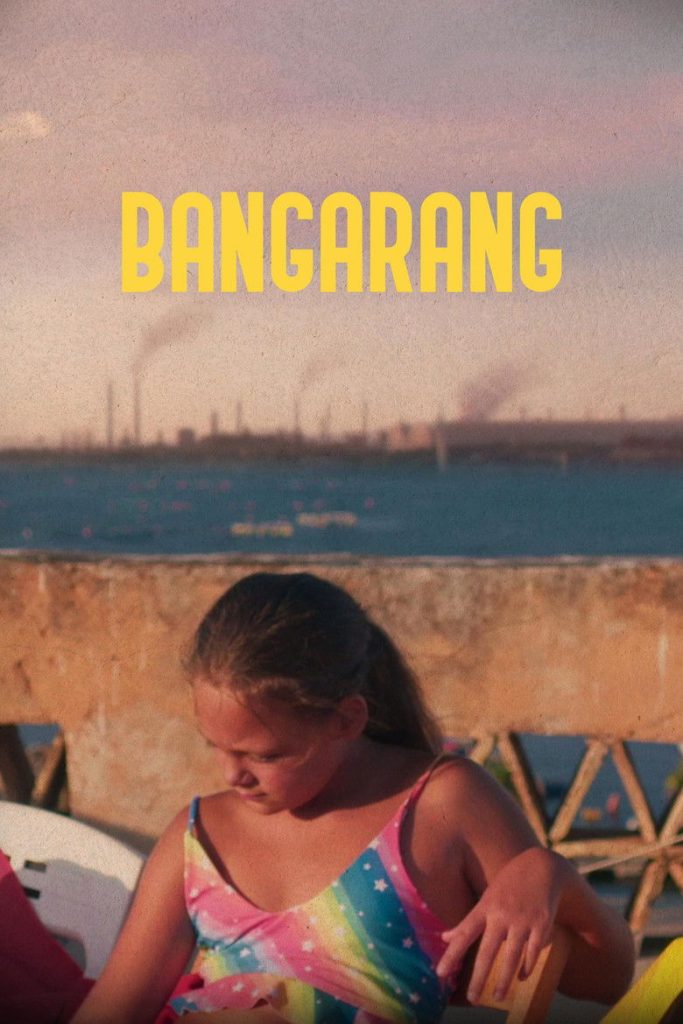
Bangarang is a 2024 Italian documentary that explores childhood in Taranto, a city in Southern Italy home to Europe's largest steel mill since the 1960s. The film observes children's loud, carefree, playful, and sometimes violent behaviors while connecting their experiences to the severe health and environmental disasters affecting the region. The title 'Bangarang' is a Jamaican word meaning tumult, disorder, and chaos, reflecting both the children's world and the troubled industrial landscape.
Parent Guide
A documentary exploring childhood in an industrial disaster area, with themes of environmental crisis and resilience. Best for mature children due to its serious subject matter, but with minimal explicit content.
Content breakdown
Includes depictions of children engaging in rough, sometimes violent play, as noted in the overview. No graphic violence, but the context of environmental disaster implies peril to health and safety.
The film addresses serious health and environmental disasters, which could be disturbing or scary for sensitive viewers, especially in relation to children's well-being. Scenes of industrial decay may evoke unease.
No offensive language noted; the film is in Italian with potential subtitles, focusing on observational and emotional content.
No sexual content or nudity expected in this documentary about childhood and environment.
No substance use depicted; the focus is on children and industrial impacts.
Emotionally intense due to themes of environmental crisis affecting children, potentially evoking sadness, concern, or empathy. The contrast between childhood innocence and industrial harm adds depth.
Parent tips
This documentary offers a poignant look at childhood in an industrial disaster zone, suitable for mature children who can handle discussions about environmental and health issues. It's best watched with parental guidance to explain the context and support emotional responses. Consider previewing to gauge appropriateness for your child's sensitivity to real-world crises.
Parent chat guide
Parent follow-up questions
- What did you see the children doing in the movie?
- How did the movie make you feel?
- What colors or sounds did you notice?
- Why do you think the children were playing in those places?
- What is a steel mill, and how might it affect the city?
- How did the movie show that the children were happy or sad?
- What does the title 'Bangarang' mean, and how does it relate to the film?
- How does the documentary connect the children's lives to the environmental disaster?
- What can we learn about community and health from this film?
- How does the film use childhood as a lens to critique industrial and environmental policies?
- What are the ethical implications of documenting children in crisis zones?
- How does the film balance observation with advocacy, and is it effective?
🎭 Story Kernel
Bangarang is a visceral exploration of the 'lost boys' of Taranto, an Italian city strangled by the industrial behemoth of the ILVA steelworks. Mastromauro eschews traditional documentary polemics to focus on the raw, unscripted energy of children who navigate a landscape defined by red dust and respiratory warnings. The film expresses the tragic irony of innocence existing within a space that is biologically hostile to it. It is not just about environmental catastrophe, but about the psychological resilience of youth that treats a decaying industrial wasteland as a playground. By centering the narrative on the children’s perspective, the film highlights a generational inheritance of pollution, where the 'Bangarang' cry—a nod to Peter Pan—becomes a defiant shout against a future already compromised by the very soil they play on.
🎬 Visual Aesthetics
The cinematography employs a stark, observational aesthetic that juxtaposes the vibrant, kinetic movement of the children against the monolithic, rusting structures of the steel plant. Mastromauro utilizes wide shots to emphasize the scale of the industrial complex, making the human figures appear fragile yet persistent. The color palette is dominated by the 'red dust' characteristic of Taranto, which coats the streets and playgrounds, serving as a constant visual reminder of the invisible toxins. Symbolism is found in the contrast between the natural sea and the artificial smoke; the camera often lingers on the textures of the environment—peeling paint, cracked concrete, and the metallic sheen of the factory—to create a sensory experience of a city being slowly consumed by its own industry.
🔍 Details & Easter Eggs
💡 Behind the Scenes
Giulio Mastromauro, previously known for his award-winning short film 'Inverno' (Winter), spent years researching the lives of families in Taranto to ensure an authentic portrayal. 'Bangarang' premiered at the 18th Rome Film Fest in the 'Alice nella città' section, where it received critical acclaim for its sensitive handling of a controversial socio-political issue. The ILVA plant featured in the film is historically significant as one of the largest and most contentious industrial sites in Europe, frequently at the center of legal battles regarding public health and environmental safety in Italy.
Where to watch
Choose region:
- Netflix
- Netflix Standard with Ads
- Tubi TV