
Basma (2024)
Story overview
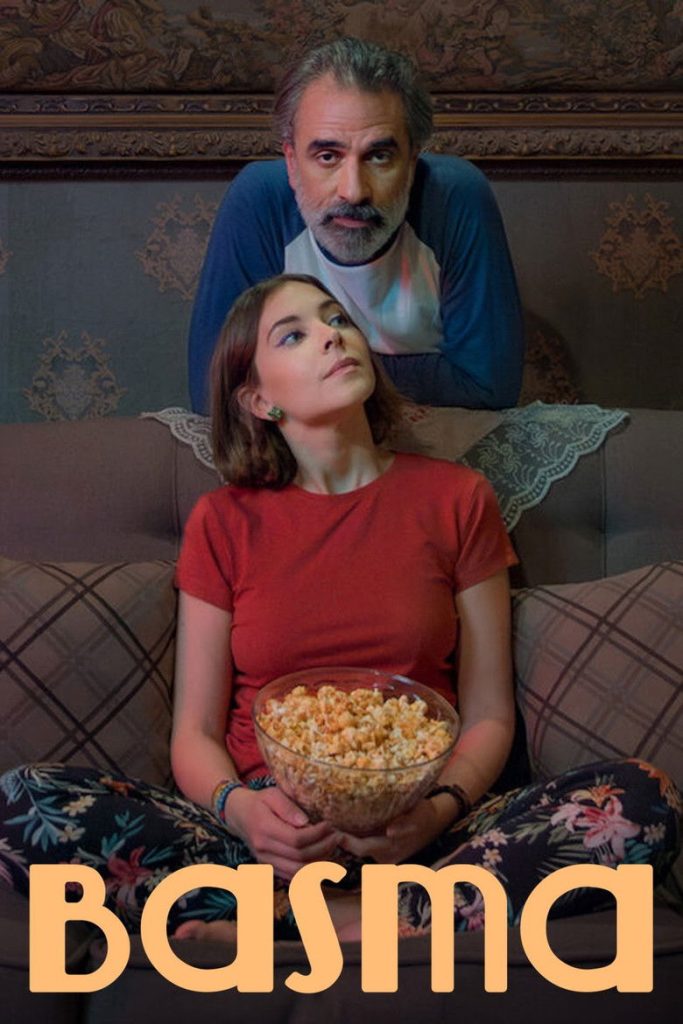
Basma is a 2024 drama film that explores personal growth and emotional challenges. The story follows characters navigating complex relationships and life transitions. With a TV-14 rating, it contains content that may be suitable for mature audiences.
Parent Guide
A drama with mature themes suitable for teenagers with parental guidance.
Content breakdown
May contain emotional tension or conflict situations.
Could include emotionally intense scenes or difficult themes.
May contain mild language appropriate for TV-14 rating.
Could include romantic themes or mild references.
No substance use content expected based on available information.
Drama likely explores emotional challenges and personal growth.
Parent tips
This drama deals with mature themes appropriate for older children and teenagers. Parents should be aware that the TV-14 rating indicates content that may be unsuitable for children under 14 without parental guidance. Consider watching together with teens to discuss the emotional themes presented.
Parent chat guide
Parent follow-up questions
- What was your favorite part of the movie?
- How did the characters feel when they were happy?
- What colors did you see in the movie?
- What problem did the main character face?
- How did the characters help each other?
- What would you do if you were in that situation?
- What lesson did the characters learn?
- How did relationships change throughout the story?
- What choices would you make differently than the characters?
- How does this film reflect real-life emotional challenges?
- What societal issues might this drama be commenting on?
- How do the characters' decisions affect their personal growth?
🎭 Story Kernel
Basma explores the intersection of mental illness and cultural preservation within a contemporary Saudi household. Upon returning from the United States, the protagonist discovers her father’s severe psychological decline, which her family has meticulously concealed to maintain social standing. The film moves beyond a simple homecoming narrative, evolving into a critique of the culture of silence. It examines the emotional labor required to bridge the gap between modern psychiatric understanding and traditional familial duty. AlBanawi highlights the isolation of the caregiver and the patient alike, suggesting that the greatest obstacle to healing is not the illness itself, but the collective refusal to acknowledge its existence. The narrative serves as a poignant reminder that secrets, while intended to protect, often act as the primary catalyst for a family’s internal fragmentation and emotional decay.
🎬 Visual Aesthetics
The cinematography utilizes the architecture of Jeddah to create a sense of domestic entrapment. Interiors are often bathed in warm yet suffocating tones, contrasting with the clinical brightness Basma expects from a medical solution. The camera work frequently employs tight framing and shallow depth of field, mirroring the father’s paranoid perspective and Basma’s narrowing options. Symbolism is found in the physical barriers within the home—locked doors and gated windows—which represent the psychological walls the family has built. The visual palette shifts as Basma’s perception of her home changes from a place of nostalgia to a site of complex trauma. This aesthetic choice reinforces the film's central theme: the difficulty of seeing clearly when one is too close to the source of the pain, effectively placing the viewer in Basma’s shoes.
🔍 Details & Easter Eggs
💡 Behind the Scenes
Fatima AlBanawi, who wrote, directed, and starred in the film, drew significantly from her academic background in psychology and social services. She holds a Master’s degree in Theological Studies from Harvard University, focusing on women, gender, and Islamic studies, which informs her nuanced approach to Saudi social dynamics. Basma marks her feature directorial debut and is a landmark production for Saudi cinema, being one of the first major local films to center entirely on the taboo subject of mental health. The film was produced in collaboration with Netflix, reflecting the growing global interest in authentic Saudi narratives.
Where to watch
Choose region:
- Netflix
- Netflix Standard with Ads