
Beanie Mania (2021)
Story overview
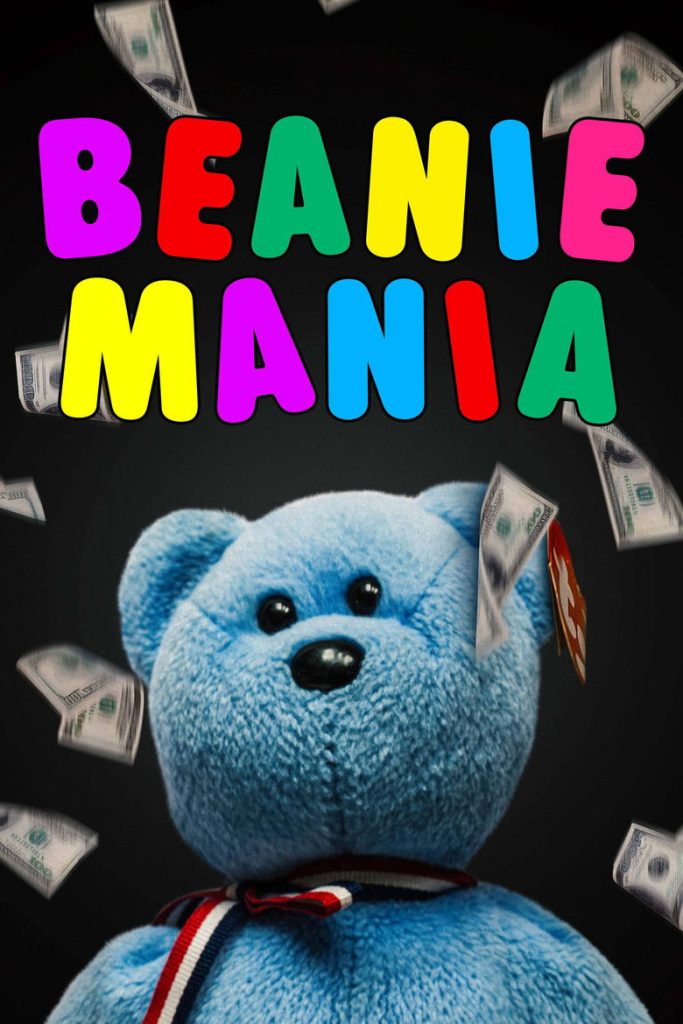
Beanie Mania is a 2021 documentary that explores the cultural phenomenon of Beanie Babies, the plush toys that became a massive craze in the 1990s. The film delves into their origins, the marketing strategies that fueled their popularity, and the social and economic impact of the collecting frenzy. It examines how these simple toys captured public imagination and created a speculative bubble, offering insights into consumer behavior and nostalgia.
Parent Guide
Beanie Mania is a mild, educational documentary suitable for most audiences. It focuses on historical and economic analysis without intense or inappropriate content. The film is best for children who can engage with non-fiction storytelling and abstract concepts like market trends.
Content breakdown
No violence, danger, or peril is depicted. The documentary discusses economic risks and market crashes conceptually but without visual or narrative tension.
Nothing scary or disturbing. The tone is analytical and nostalgic, with no frightening imagery or themes.
No offensive or strong language. The dialogue is clean and appropriate for all ages.
No sexual content, nudity, or romantic themes. The content is strictly focused on the toy phenomenon.
No depiction or discussion of alcohol, drugs, or tobacco use.
Mild emotional elements related to nostalgia, excitement about collecting, and disappointment from market changes. These are presented in a low-key, documentary style without dramatic intensity.
Parent tips
This documentary is suitable for children who can follow historical narratives and understand basic economic concepts. It provides an opportunity to discuss topics like consumer trends, the value of collectibles, and media influence. Parents might want to explain terms like 'speculative bubble' or 'fad' to younger viewers. The film's pace and content are generally accessible, but some discussions about market dynamics might require additional context for children under 10.
Parent chat guide
Parent follow-up questions
- Did you like seeing the Beanie Babies?
- Which toy animal was your favorite?
- Do you have any special toys you like to collect?
- What made Beanie Babies so popular?
- Why do you think people collected so many?
- Have you ever wanted something because your friends had it?
- How did marketing help create the Beanie Baby frenzy?
- What does 'speculative bubble' mean in this context?
- Can you think of modern examples of similar trends?
- What economic and psychological factors drove the Beanie Baby market?
- How does this documentary critique consumer culture?
- What parallels exist between 1990s fads and current social media trends?
🎭 Story Kernel
At its core, 'Beanie Mania' explores the psychology of scarcity and manufactured desire in late-stage capitalism. The film isn't about stuffed animals—it's about how corporations learned to weaponize nostalgia and community to create artificial value. The characters aren't driven by love for toys but by the desperate need for connection and meaning in a society that increasingly offers neither. The real tragedy unfolds as we watch ordinary people become unwitting participants in their own exploitation, mistaking consumer frenzy for genuine human bonding while corporate executives quietly profit from their emotional vulnerabilities.
🎬 Visual Aesthetics
The documentary employs a fascinating visual dichotomy: warm, nostalgic home video footage of children playing with Beanie Babies contrasts sharply with cold, sterile shots of corporate boardrooms and warehouse storage facilities. The camera lingers on overflowing bins of discarded toys in thrift stores, creating a haunting visual metaphor for the fleeting nature of manufactured trends. Interview shots are framed to emphasize isolation—subjects often appear alone in cluttered rooms surrounded by their collections, visually reinforcing how the pursuit of material objects replaced genuine social connection. The color palette shifts from the vibrant, saturated tones of 90s marketing materials to the muted, washed-out colors of present-day reality.
🔍 Details & Easter Eggs
💡 Behind the Scenes
Director Yemisi Broderick spent three years tracking down former Ty employees who had never spoken publicly before. The most challenging interview to secure was with the reclusive founder's personal assistant, who provided crucial documents showing deliberate production limitations to create artificial scarcity. Several collectors featured in the film initially refused to participate until the director showed them archival footage of themselves on 90s news segments, triggering nostalgic memories that changed their minds. The production team visited over 200 garage sales across the Midwest to find authentic home video footage that hadn't been seen since the original broadcasts.
Where to watch
Choose region:
- HBO Max
- HBO Max Amazon Channel
- HBO Max Amazon Channel
Trailer
Trailer playback is unavailable in your region.