
Bears (2014)
Story overview
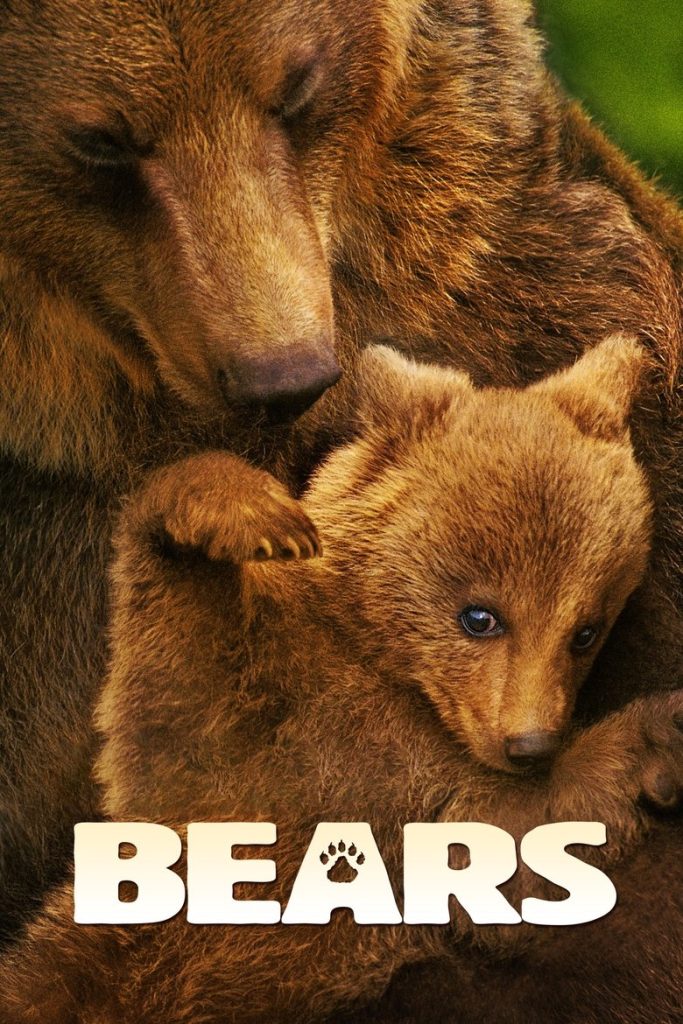
This 2014 G-rated documentary follows a year in the life of an Alaskan brown bear named Sky and her two cubs, Scout and Amber. Narrated by John C. Reilly, the film captures their journey from emerging from hibernation in spring through the challenges of finding food and avoiding predators in their natural habitat. The story emphasizes themes of family bonds, survival in the wild, and the beauty and risks of nature, presented in a family-friendly format suitable for all ages.
Parent Guide
This gentle documentary is completely appropriate for all ages with no concerning content. The G rating accurately reflects its family-friendly nature. Parents can feel comfortable showing this to even the youngest viewers while using it as an educational tool about wildlife and family bonds.
Content breakdown
Natural predator-prey interactions are shown, including bears fishing and occasional tense moments with other bears, but nothing graphic or intense. The peril is presented as part of natural wildlife behavior rather than dramatic conflict.
No scary or disturbing content. The documentary maintains a positive, educational tone throughout, focusing on the bears' daily life and family bonds rather than fear-inducing elements.
No inappropriate language. The narration by John C. Reilly is family-friendly and educational in tone.
No sexual content. The bears are shown naturally in their habitat without any suggestive material.
No substance use of any kind.
Mild emotional moments related to the bears' survival challenges and family bonds, but nothing overwhelming. The overall tone remains educational and positive.
Parent tips
This documentary is appropriate for all ages with minimal concerns. The G rating indicates no objectionable content. Parents can use this film to teach children about wildlife, ecosystems, and family dynamics in nature. Be prepared to discuss animal behavior and natural survival challenges, which are presented gently but realistically. The film's 78-minute runtime is manageable for young viewers, and its educational value makes it a great choice for family viewing.
Parent chat guide
Parent follow-up questions
- What was your favorite part about the bear cubs?
- How did the mama bear help her babies?
- What sounds did you hear in the forest?
- Why do you think the bears needed to find food so often?
- How did the bear family work together to stay safe?
- What other animals did you see in the movie?
- What survival challenges did the bears face in their habitat?
- How does hibernation help bears survive the winter?
- What can humans learn from how bear families care for each other?
- How does this documentary portray the balance between nature's beauty and dangers?
- What environmental factors threaten bear habitats like the one shown?
- How effective is the documentary format for teaching about wildlife conservation?
🎭 Story Kernel
The film's core theme is the brutal, beautiful reality of survival as an instinctual imperative, not a dramatic choice. It expresses nature's indifference through the mother bear Sky's relentless drive to protect her cubs, Scout and Amber. Their journey from hibernation to salmon fishing isn't just about food—it's about imprinting survival skills against threats like rival bears and harsh weather. The real antagonist is the environment itself, which offers no second chances. This creates tension not from plot twists, but from the raw, unscripted stakes of life and death in the wild.
🎬 Visual Aesthetics
The cinematography employs intimate, ground-level shots that place viewers in the bears' perspective, using wide lenses to emphasize their scale against vast Alaskan landscapes. A muted color palette of earthy browns, grays, and greens dominates, punctuated by the vivid silver of salmon during key hunting sequences. Slow-motion captures the grace in their lumbering movements, while handheld cameras add urgency during chases. Symbolism emerges in recurring water imagery—rivers as both life source and perilous barrier—and the contrast between cozy den interiors and the exposed, unforgiving tundra.
🔍 Details & Easter Eggs
💡 Behind the Scenes
The film was shot over a year in Alaska's Katmai National Park, with the crew enduring extreme weather to capture seasonal changes. Directors Alastair Fothergill and Keith Scholey used specialized camera rigs to safely film close-ups, while the bear 'characters' were wild—their interactions completely unscripted. Voice actor John C. Reilly recorded narration separately, aiming for a warm, storytelling tone. Interestingly, the cubs' names (Scout and Amber) were chosen during editing to help audiences distinguish them, as they weren't identifiable during filming.
Where to watch
Choose region:
- Disney Plus
- Amazon Video
- Apple TV Store
- Google Play Movies
- YouTube
- Fandango At Home
Trailer
Trailer playback is unavailable in your region.