
Beast (2022)
Story overview
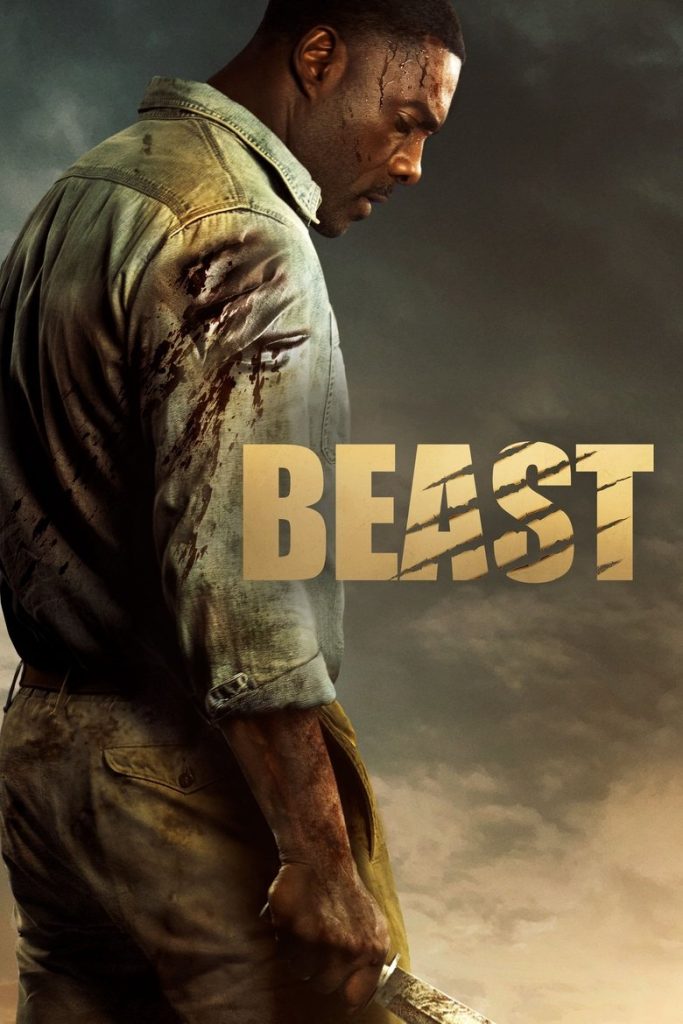
A father and his two teenage daughters travel to a South African game reserve to heal after a family tragedy. Their trip turns into a desperate fight for survival when they become the target of a relentless, aggressive lion that stalks and attacks them.
Parent Guide
Intense survival thriller with graphic animal violence and sustained peril. Not suitable for young children.
Content breakdown
Graphic lion attacks on humans and animals including mauling, biting, and blood. Characters are stalked, chased, and injured. Intense life-threatening situations throughout.
Sustained tension and jump scares. Graphic animal attack scenes. Characters in constant peril. Themes of grief and loss may be emotionally heavy.
Occasional mild profanity. Some tense exclamations.
No sexual content or nudity.
No substance use depicted.
High tension throughout. Themes of family loss and grief. Intense survival situations. Father-daughter relationships under extreme stress.
Parent tips
This is an intense survival thriller with graphic animal attacks and peril. The R rating reflects strong violence and terror. Best for mature teens who can handle suspenseful animal attack scenes. Consider watching with older teens to discuss themes of grief, family bonds, and survival instincts.
Parent chat guide
Parent follow-up questions
—
—
- What would you do if you encountered a wild animal?
- How did the family work together to stay safe?
- What did you learn about wildlife from this movie?
- How did grief affect the characters' decisions?
- What survival techniques seemed most effective?
- How does the movie portray human-wildlife conflict?
- What ethical questions does the story raise about survival?
🎭 Story Kernel
At its core, 'Beast' is less about a lion hunting humans and more about a man hunting his own trauma. Dr. Nate Samuels' journey with his daughters through the South African reserve becomes a physical manifestation of his internal struggle following his wife's death. The lion's relentless pursuit parallels Nate's inability to escape his guilt and grief. The film cleverly subverts the 'man vs. nature' trope by revealing that the most dangerous predator isn't the animal defending its territory, but the emotional wounds we refuse to heal. Each character's survival depends not just on outrunning the lion, but on confronting what they're running from within themselves.
🎬 Visual Aesthetics
Director Baltasar Kormákur employs claustrophobic handheld camerawork and extended single-take sequences to create visceral immediacy, making viewers feel trapped alongside the characters. The color palette shifts dramatically—from warm, golden savanna tones to cold, blue-tinged darkness as danger escalates. The lion's movements are filmed with predatory precision, often shown in fragments (a shadow, glowing eyes, blurred motion) to maximize psychological terror. Symbolically, the abandoned village where much of the action occurs represents both a literal trap and a metaphor for the characters' stalled lives. The final confrontation uses stark, almost monochromatic lighting to strip the scene down to pure survival instinct.
🔍 Details & Easter Eggs
💡 Behind the Scenes
Idris Elba performed most of his own stunts, including the intense physical struggle with the lion (created through CGI and animatronics). The film was shot entirely in South Africa, using real locations in the Limpopo province to maintain authenticity. The lion's roars were layered from multiple big cat species to create a uniquely terrifying sound. Interestingly, the production consulted with actual wildlife experts to ensure the predator's behavior remained biologically plausible while serving the narrative's psychological themes.
Where to watch
Choose region:
- Peacock Premium
- YouTube TV
- USA Network
- Peacock Premium Plus
- Amazon Video
- Apple TV Store
- Google Play Movies
- YouTube
- Fandango At Home
Trailer
Trailer playback is unavailable in your region.