
Beasts of No Nation (2015)
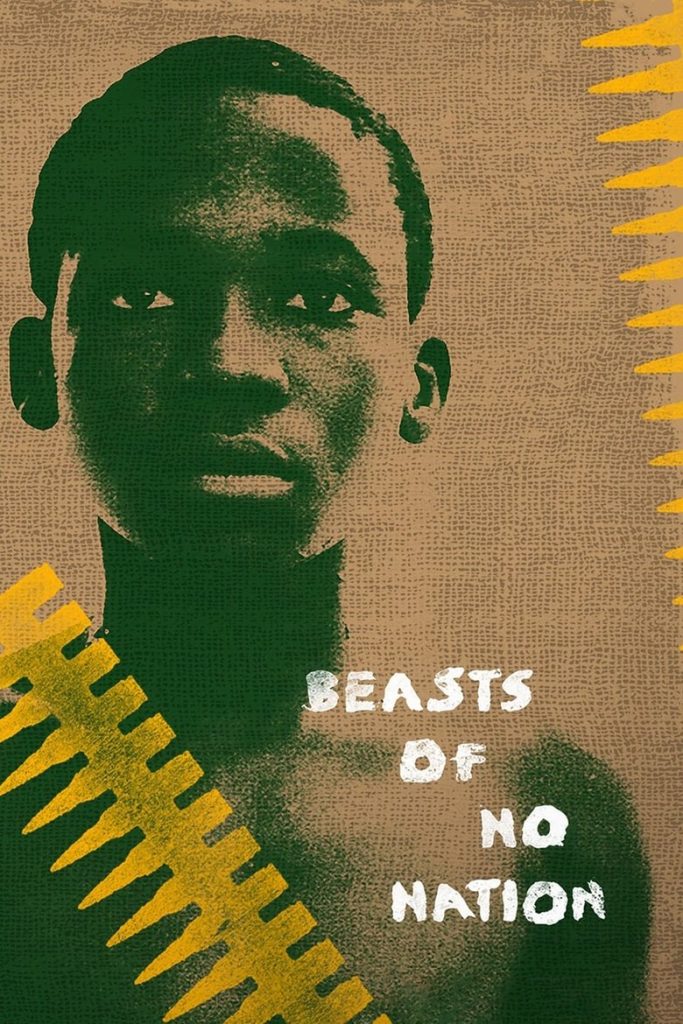
Story overview
Beasts of No Nation is a 2015 war drama that follows the harrowing journey of a young boy named Agu in an unnamed West African country. As civil war erupts, Agu is forcibly recruited into a rebel militia led by a charismatic but brutal commander. The film depicts his struggle to survive and maintain his humanity amidst the chaos and violence of conflict. It explores themes of innocence lost, the psychological impact of war, and the complex dynamics within armed groups.
Parent Guide
Extremely intense war drama with graphic violence and mature themes. Only suitable for adults.
Content breakdown
Frequent and graphic war violence including combat, executions, and disturbing scenes of brutality. Central to the narrative.
Very disturbing content involving child soldiers, psychological manipulation, and traumatic events. High emotional intensity throughout.
Some strong language consistent with war setting and intense situations.
Minimal sexual content, but some suggestive situations in military context.
Depiction of substance use by soldiers in wartime context.
Extremely high emotional intensity dealing with trauma, loss of innocence, and survival in brutal circumstances.
Parent tips
This film is rated TV-MA for mature audiences only due to its intense and graphic content. It contains extremely strong violence including brutal combat scenes, executions, and disturbing war atrocities that are central to the narrative. The emotional intensity is very high throughout, with themes of trauma, loss of innocence, and psychological manipulation that may be deeply unsettling for viewers of any age.
Parents should be aware that this is not appropriate for children or teenagers. The film's unflinching portrayal of child soldiers and wartime violence makes it suitable only for mature adults who can process such difficult subject matter. If considering viewing with older teenagers, extensive discussion and preparation would be essential given the film's disturbing content.
Parent chat guide
Emphasize that while the events are fictional, they reflect real-world issues affecting children in conflict zones. This can lead to conversations about global awareness, empathy, and the importance of peace. Be prepared for emotional reactions and provide reassurance about the fictional nature while acknowledging the real suffering it represents.
Parent follow-up questions
- What do you think makes someone a good friend?
- How do people show they care about each other?
- What are some ways to solve problems without fighting?
- When you feel scared, what helps you feel better?
- What does it mean to be brave?
- Why do you think people sometimes fight in big groups called wars?
- How do you think children might feel when they have to leave their homes?
- What does it mean to be a leader, and what makes a good one?
- How can stories help us understand people who live differently than we do?
- What are some ways people help each other during hard times?
- What are some reasons countries or groups might go to war?
- How can war change people's lives and communities?
- What does 'losing your innocence' mean, and how might that happen?
- Why is it important to learn about difficult topics like war?
- How do filmmakers show us what characters are feeling without words?
- How does the film explore the psychological impact of trauma on young people?
- What commentary does the film make about the cycle of violence and how it perpetuates itself?
- How does the film handle the tension between individual survival and moral choices?
- What techniques does the film use to create emotional intensity without being exploitative?
- How does this fictional story relate to real-world issues of child soldiers and conflict?
🎭 Story Kernel
At its core, 'Beasts of No Nation' explores how war systematically dismantles childhood, replacing innocence with trauma. Agu's transformation isn't about becoming a soldier—it's about losing his humanity piece by piece. The Commandant's manipulation reveals how vulnerable children are weaponized through psychological warfare, not just physical training. The film's power lies in showing how Agu's memories of family and normalcy become his only tether to a self that's rapidly disappearing. The ambiguous ending suggests recovery is possible but will forever be haunted by what he's done and seen.
🎬 Visual Aesthetics
Cary Fukunaga's cinematography creates intimacy with horror—handheld cameras place us directly in Agu's perspective during chaotic battles, while wider shots emphasize his isolation in the jungle. The color palette shifts from warm, golden tones in peaceful village scenes to desaturated greens and browns during combat, mirroring Agu's emotional deterioration. Symbolically, the recurring motif of water—from the river where Agu hides to the ocean at the refugee camp—represents both cleansing and the fluid boundary between life and death. The camera never glorifies violence; instead, it forces viewers to witness its brutal intimacy.
🔍 Details & Easter Eggs
💡 Behind the Scenes
Cary Fukunaga not only directed but served as his own cinematographer, shooting the entire film himself over 10 weeks in Ghana. Idris Elba learned to speak with a West African accent by studying recordings of Liberian and Ghanaian commanders. The child actors were mostly non-professionals from Ghana and Uganda; Abraham Attah (Agu) was discovered playing soccer in Accra. Fukunaga intentionally avoided showing specific national flags or insignia to make the conflict feel universally applicable to any war-torn region.
Where to watch
Choose region:
- Netflix
- Netflix Standard with Ads
Trailer
Trailer playback is unavailable in your region.