Beatles ’64 (2024)
Story overview
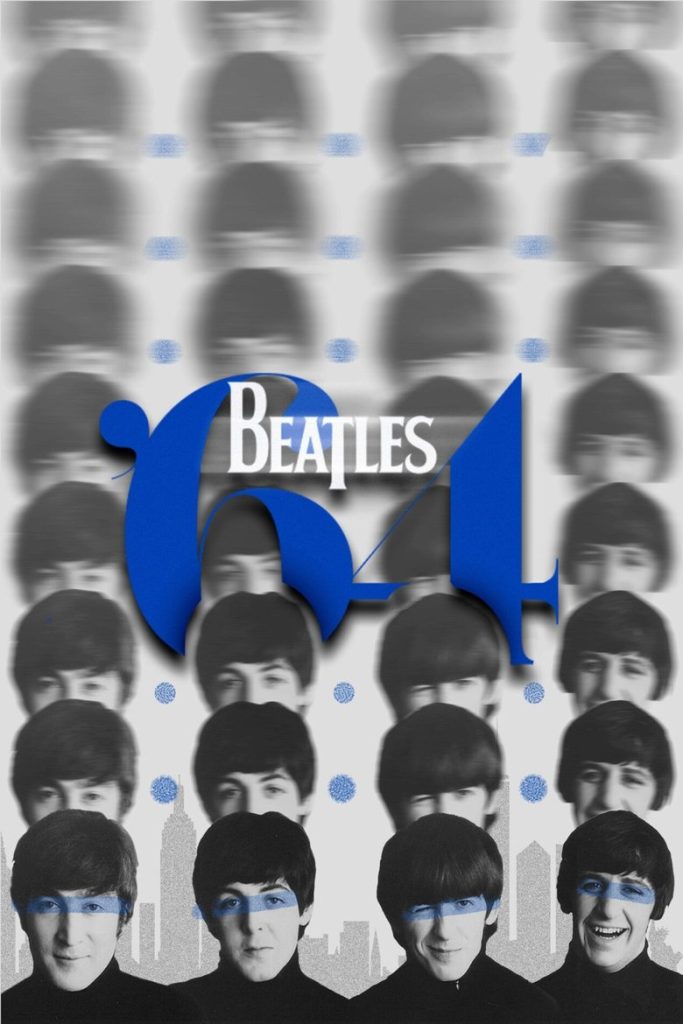
This documentary captures the Beatles' historic 1964 arrival in New York City, showcasing their rise to global fame through rare archival footage. It focuses on the band's interactions with enthusiastic fans and their cultural impact during this pivotal moment in music history.
Parent Guide
A family-friendly documentary about the Beatles' iconic 1964 arrival in America, featuring historical footage and music. No concerning content, but younger viewers may need context about the era.
Content breakdown
No violence or peril depicted. Scenes show enthusiastic but peaceful crowds.
Nothing scary or disturbing. The tone is celebratory and historical.
No offensive language noted in the archival footage and interviews.
No sexual content or nudity. Focus is on music and public events.
No depiction of substance use. Shows the band in professional settings.
Mild excitement from crowd scenes and the historical significance. No intense emotional moments.
Parent tips
This film is suitable for most ages, but younger children may find the black-and-white footage and historical context less engaging. Consider watching together to discuss the Beatles' influence on music and 1960s culture.
Parent chat guide
Parent follow-up questions
- Did you like the music?
- What was your favorite part?
- Did you see any instruments?
- Why were people so excited about the Beatles?
- What do you think it was like to be a fan in 1964?
- How is this music different from what you listen to today?
- How did the Beatles' arrival in America change music history?
- What does the footage tell us about 1960s culture?
- Why do you think their music is still popular today?
- Analyze the cultural significance of the Beatles' 1964 U.S. tour.
- How did media coverage contribute to Beatlemania?
- Compare the band's influence to contemporary artists' impact on society.
🎭 Story Kernel
The documentary captures the raw, unpolished moment of the Beatles' arrival in America, framing it as a transformative cultural event rather than a mere concert tour. It explores the intimacy within the chaos—the quiet moments in hotel rooms contrasted with the deafening screams of fans. Tedeschi emphasizes the human element, stripping away the myth to show the camaraderie and the slight bewilderment of John, Paul, George, and Ringo as they navigate a country still mourning the assassination of JFK. It expresses the idea that the Beatles didn't just change music; they provided a necessary collective exhale for a grieving nation. By focusing on the specific window of February 1964, the film illustrates how four young men from Liverpool became the focal point of a global paradigm shift, forever altering the landscape of celebrity and youth culture.
🎬 Visual Aesthetics
The visual language is defined by the 'direct cinema' style of the Maysles brothers, revitalized through a stunning 4K restoration. The grain of the 16mm film provides a tactile, intimate texture that feels more immediate than polished modern digital captures. By utilizing footage that was previously obscured by technical limitations, the film brings a startling clarity to the band's expressions—the sweat on their brows during the Washington Coliseum performance and the playful, exhausted glances in the back of limousines. The restoration by Park Road Post ensures that the black-and-white sequences possess a rich, silvery depth. This visual fidelity bridges the sixty-year gap, making the archival footage feel like a contemporary fly-on-the-wall experience. The camera acts as a fifth member of the group, capturing the frantic energy of the era with an unblinking, observational eye.
🔍 Details & Easter Eggs
💡 Behind the Scenes
Produced by Martin Scorsese, the film serves as a spiritual successor to his previous music documentaries like 'George Harrison: Living in the Material World.' The project relies heavily on the archives of Albert and David Maysles, the pioneers of 'Direct Cinema.' A significant technical highlight is the audio restoration; Giles Martin utilized the AI-assisted 'de-mixing' technology developed by Peter Jackson’s team for 'Get Back.' This allowed for the separation of instruments and vocals from the overwhelming wall of screaming fans, providing the most sonically clear versions of the 1964 performances ever released to the public.
Where to watch
Choose region:
- Disney Plus
Trailer
Trailer playback is unavailable in your region.