
Becoming Mike Nichols (2016)
Story overview
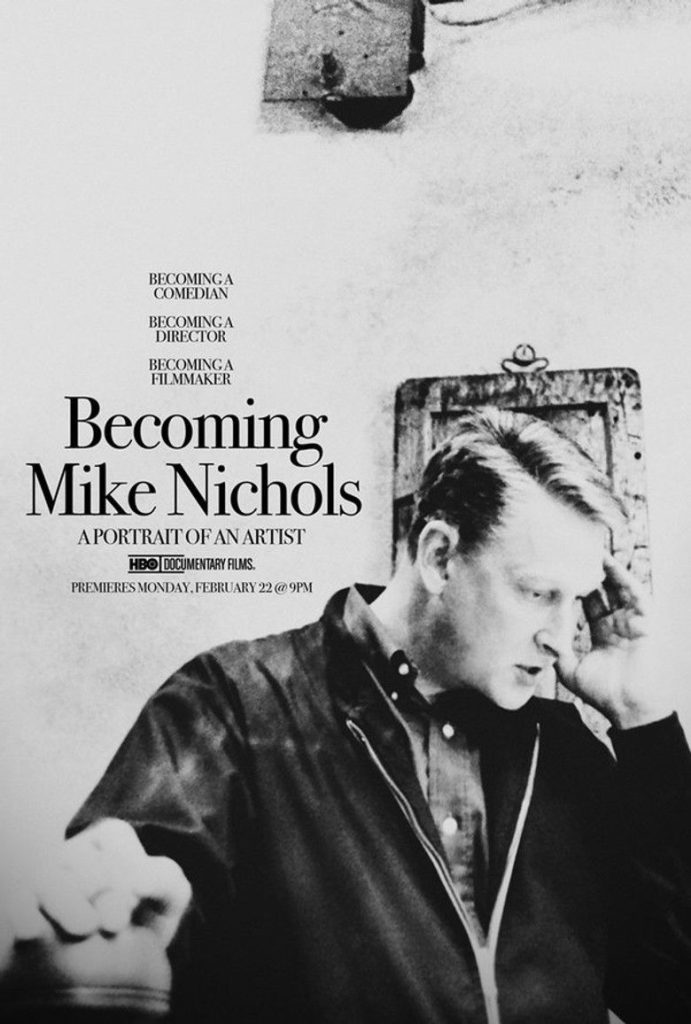
This documentary offers an intimate look at the life and career of acclaimed director Mike Nichols through his final interviews. It explores his early years, his groundbreaking work in improvisational comedy, and his transition to film and theater direction, providing insights into his creative process and personal reflections.
Parent Guide
Educational documentary about a filmmaker's life and career with no concerning content. Suitable for most children who can follow biographical storytelling.
Content breakdown
No violence, action sequences, or peril depicted.
No frightening or disturbing imagery. The documentary discusses death in the context of Nichols' passing but without graphic details.
No strong language expected in this interview-based documentary.
No sexual content or nudity.
No depiction or discussion of substance use.
Mild emotional moments when discussing career reflections and legacy, but overall calm and reflective tone.
Parent tips
This documentary is suitable for most families with children ages 8 and up. It focuses on career achievements and artistic processes rather than mature content. Parents may want to watch with younger children to explain historical context about mid-20th century entertainment.
Parent chat guide
Parent follow-up questions
- Did you see people talking in the movie?
- What jobs do people have in movies?
- What did you learn about making movies?
- Why do you think people make documentaries about others?
- What kind of stories would you want to tell about your life?
- How did Mike Nichols' early comedy work influence his later career?
- What challenges do you think documentary filmmakers face?
- Why is it valuable to preserve people's stories through interviews?
- How does this documentary balance personal reflection with professional achievement?
- What does this film reveal about the evolution of American entertainment in the 20th century?
- How do final interviews differ from earlier career interviews in capturing someone's legacy?
🎭 Story Kernel
The documentary's core theme is the excavation of artistic identity through vulnerability. It's not a chronological biography but a psychological portrait of how trauma and failure forge creative vision. The film explores what happens when a performer's protective persona—'Mike Nichols'—becomes indistinguishable from the private self. The driving force is Nichols's need to reconcile his immigrant outsider status with his sudden insider success, using humor as both shield and weapon. The real story is about the moment an artist stops performing for others and starts creating from authentic experience.
🎬 Visual Aesthetics
The visual language is deliberately theatrical and intimate. Directors use a stark, single-camera setup against a black void, mimicking a stage spotlight that isolates Nichols in his memories. This minimalist approach forces focus on his face—every wrinkle becomes a timeline, every pause a loaded silence. Archival footage is presented without nostalgic filters, maintaining a documentary rawness. The color palette shifts subtly: warm tones for Broadway recollections, cooler hues for Hollywood disillusionment. The camera lingers on hands—Nichols's expressive gestures become visual metaphors for directing, shaping air into stories.
🔍 Details & Easter Eggs
💡 Behind the Scenes
The documentary was filmed just months before Nichols's death in 2014, making it his final extended interview—a fact that adds profound poignancy to his reflections on legacy. It was shot over two days at the Jacobs Theatre in New York, where Nichols had numerous Broadway successes, creating a meta-narrative of returning to his artistic home. Director Douglas McGrath used no teleprompter or prepared questions, creating the conversational flow that defines the film. Elaine May, Nichols's legendary comedy partner, appears only in archival footage, a deliberate choice that emphasizes his solitary self-reckoning.
Where to watch
Choose region:
- HBO Max
- HBO Max Amazon Channel
- Amazon Video
- Apple TV Store
- Google Play Movies
- YouTube
- Fandango At Home
Trailer
Trailer playback is unavailable in your region.