Behind the Candelabra (2013)
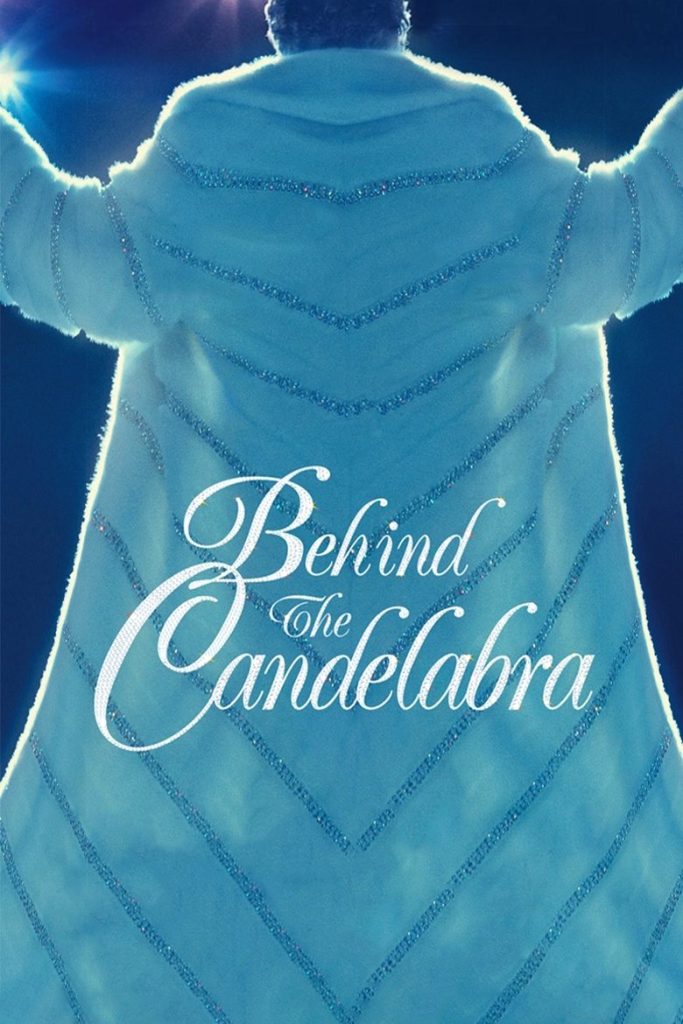
Story overview
Behind the Candelabra is a 2013 biographical drama directed by Steven Soderbergh, starring Michael Douglas as Liberace and Matt Damon as his younger lover Scott Thorson. The film chronicles their tumultuous six-year relationship, exploring themes of fame, obsession, and identity within the flamboyant world of the legendary pianist. Set in the late 1970s and early 1980s, it delves into the complexities of their bond, from initial infatuation to eventual disintegration, against a backdrop of extravagant lifestyles and personal struggles.
Parent Guide
This film is intended for mature audiences due to its explicit content and adult themes. It provides a candid look at a complex romantic relationship with significant age and power disparities, set in a glamorous but troubled environment. Parents should exercise caution and consider the TV-MA rating, which indicates material unsuitable for viewers under 18.
Content breakdown
No physical violence, but there are scenes of emotional conflict and verbal arguments that create tension. Some peril arises from health issues and relationship breakdowns, but it's not graphic or action-oriented.
Disturbing elements include depictions of plastic surgery, drug use, and emotional manipulation. The film explores themes of obsession and decline, which might be unsettling for some viewers, but there are no horror or jump-scare elements.
Includes strong profanity such as f-words and other explicit language throughout the film, consistent with the TV-MA rating and adult dialogue.
Contains explicit sexual scenes, nudity, and sexual dialogue. The film portrays intimate moments between the main characters, including same-sex relationships, in a graphic manner. Not suitable for younger audiences.
Depictions of drug use, including pills and other substances, are shown in social and personal contexts. It reflects the era's lifestyle but is not glorified; rather, it ties into themes of excess and dependency.
High emotional intensity due to the turbulent relationship, featuring love, jealousy, betrayal, and heartbreak. The film delves deeply into personal struggles and the emotional toll of fame, which can be impactful for viewers.
Parent tips
This film is rated TV-MA for mature themes and content. It contains explicit sexual content, nudity, strong language, and depictions of drug use. The relationship dynamics include manipulation, age disparity, and emotional intensity. Not suitable for children or young teens; recommended for mature audiences 18+ due to its adult-oriented narrative and themes.
Parent chat guide
Parent follow-up questions
—
—
—
- How does the film portray the balance between public persona and private life in fame?
- What are the ethical issues in the relationship between Liberace and Scott, given their age and power differences?
- How does the film handle themes of identity and self-acceptance in the context of the time period?
🎭 Story Kernel
The film is less a biopic of Liberace and more a devastating autopsy of transactional love within the American Dream's gilded cage. It explores how Scott Thorson, a young man seeking paternal affection and security, becomes ensnared in a relationship where love is conditional on youth, beauty, and compliance. Liberace, a prisoner of his own meticulously crafted persona, seeks not just a lover but a mirror—a younger, pliable reflection to stave off his mortality. Their dynamic is driven by a shared, desperate need for validation: Scott's from a father figure and a place to belong, Liberace's from an adoring public and a beautiful object to possess. The core tragedy is that their bond, however genuine its moments, is ultimately a contract, with plastic surgery as its most literal and grotesque amendment.
🎬 Visual Aesthetics
Director Steven Soderbergh employs a lush, saturated visual palette that mirrors Liberace's own aesthetic—opulent, artificial, and meticulously controlled. The camera often feels like an intimate, complicit observer in the cloistered world of Liberace's homes, using close-ups to capture the vulnerability beneath the makeup and the tension in private moments. The lighting is theatrical, casting everything in a warm, glamorous glow that slowly reveals its oppressive quality. A key visual motif is reflection: characters are constantly framed in mirrors, emphasizing duality, vanity, and the fractured sense of self. The contrast between the dazzling, sequined stage performances and the stark, sterile operating room for Scott's surgery is a masterful visual metaphor for the film's central conflict: glittering fantasy versus painful, bodily reality.
🔍 Details & Easter Eggs
💡 Behind the Scenes
Michael Douglas and Matt Damon underwent significant physical transformations, with Damon gaining weight to portray Scott's later, drug-addled years. The film was produced by HBO because major Hollywood studios passed, deeming the story 'too gay' for a mainstream theatrical audience—a poignant reflection of the very prejudices the film critiques. Much of the opulent jewelry and costumes were recreations or the actual pieces owned by Liberace, adding an eerie authenticity. Steven Soderbergh also served as the cinematographer under his pseudonym, Peter Andrews, giving the film its distinct, intimately controlled visual signature.
Where to watch
Choose region:
- HBO Max
- HBO Max Amazon Channel
- Amazon Video
- Apple TV Store
- Google Play Movies
- YouTube
- Fandango At Home
Trailer
Trailer playback is unavailable in your region.