
Being the Queen (2020)
Story overview
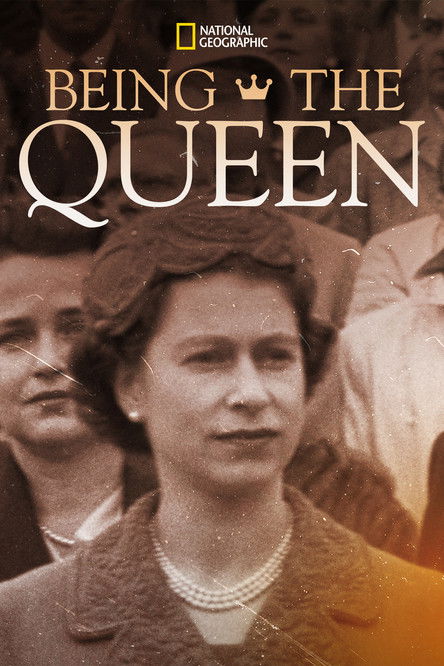
This documentary provides an intimate look at Queen Elizabeth II's life and reign through interviews with those who know her personally, offering insights into her character, duties, and historical significance in a respectful and informative manner.
Parent Guide
Educational documentary about Queen Elizabeth II with no concerning content. Suitable for elementary school children and up with parental guidance for historical context.
Content breakdown
No violence or peril depicted. The documentary focuses on interviews and historical footage without dramatic conflict.
Nothing scary or disturbing. Content is respectful and informative throughout.
No inappropriate language. All dialogue is formal and respectful in interview settings.
No sexual content or nudity. Focus is entirely on the Queen's public life and historical role.
No depiction of substance use. The documentary maintains a formal, historical tone.
Mild emotional moments when discussing historical events or personal reflections, but nothing intense or upsetting.
Parent tips
This documentary is suitable for most children, but younger viewers may need help understanding historical context and British monarchy concepts. Consider watching together to explain terms like 'monarchy,' 'reign,' and historical events mentioned.
Parent chat guide
Parent follow-up questions
- What did you learn about the Queen?
- What colors did you see in the royal clothes?
- What animals did you see (like corgis)?
- What jobs does the Queen do?
- Why do people wear crowns?
- How is being a queen different from being a president?
- What challenges did the Queen face during her reign?
- How has the monarchy changed during her time?
- What qualities help someone lead for so long?
- How does the documentary portray the Queen's personal vs. public life?
- What historical events shaped her reign?
- How does the film balance respect with objectivity?
🎭 Story Kernel
The film explores the paradox of hereditary power in a modern democracy through Queen Elizabeth II's life. It's not about royal glamour but the psychological cage of duty—how a person becomes an institution. The narrative reveals how her identity was systematically erased and replaced by protocol, making her both the most visible and most isolated person in Britain. The driving force isn't ambition but resignation to a predetermined fate, showing monarchy as a beautiful prison where every personal desire must be sacrificed at the altar of tradition.
🎬 Visual Aesthetics
The documentary employs a stark visual contrast between archival footage's grainy warmth and contemporary interviews' sterile clarity. Camera angles consistently shoot royal subjects from slightly below, reinforcing their symbolic elevation above ordinary life. The color palette shifts from vibrant coronation golds to increasingly muted tones as the Queen ages, mirroring her personal diminishment behind institutional function. Most telling are the lingering shots on empty corridors and silent rooms—the monarchy as beautifully maintained museum where the main exhibit is a living person.
🔍 Details & Easter Eggs
💡 Behind the Scenes
The film's producers secured unprecedented access to the Royal Archives, including never-before-seen home movies from the 1930s. Several interviews were conducted in locations never previously filmed, like the private sitting rooms at Balmoral. Most challenging was obtaining clearances for footage of the Queen's private moments—the production team worked with three former royal press secretaries to navigate protocol. The score incorporates actual melodies from royal ceremonies rearranged for solo piano, creating an intimate contrast with their usual pomp.
Where to watch
Choose region:
- Disney Plus
- fuboTV