
Ben-Hur (1959)
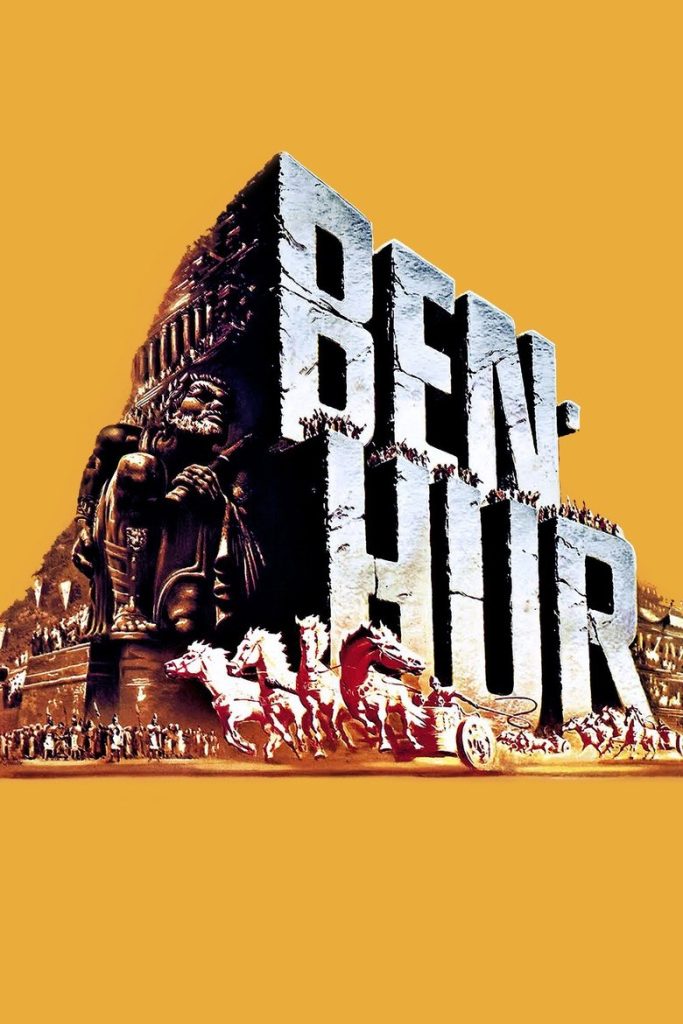
Story overview
Ben-Hur is a historical epic set in ancient Judea during Roman occupation. The story follows Judah Ben-Hur, a Jewish nobleman who is betrayed by his Roman childhood friend and forced into slavery. His journey involves dramatic conflicts with Roman authorities and personal struggles for justice and redemption. The film explores themes of faith, forgiveness, and resilience against oppression.
Parent Guide
A historical epic with intense sequences and mature themes that requires parental guidance for younger viewers.
Content breakdown
Chariot race with collisions and injuries, battle scenes, slavery depictions, and perilous situations. No graphic gore but realistic intensity.
Scenes of imprisonment, family separation, and emotional suffering. Historical oppression themes may disturb sensitive viewers.
No offensive language; dialogue is formal and period-appropriate.
No sexual content or nudity; relationships are portrayed respectfully.
No depiction of substance use.
Strong themes of betrayal, injustice, suffering, and redemption create emotional weight throughout the lengthy narrative.
Parent tips
This classic epic contains intense sequences including a famous chariot race with realistic collisions and injuries, though without graphic gore. There are scenes of slavery, imprisonment, and emotional suffering that may be challenging for younger viewers. The film's length (over 3.5 hours) requires significant attention span, and its historical/religious themes benefit from some context about ancient Rome and Judea.
While rated G by 1959 standards, modern parents should note the film contains peril, violence, and mature themes that may warrant guidance for children under 10. The portrayal of Roman oppression and personal betrayal creates emotional intensity that could disturb sensitive viewers. The religious elements are central to the story but presented in a respectful, non-dogmatic manner.
Parent chat guide
After viewing, focus conversations on themes of forgiveness versus revenge, how people maintain hope in difficult circumstances, and what justice means. Connect the historical conflicts to modern examples of oppression and resilience. Ask children how they might respond to betrayal or unfair treatment in their own lives.
Parent follow-up questions
- How did you feel when the main character was treated unfairly?
- What was your favorite part of the movie?
- What does it mean to be a good friend?
- How do you think the horses felt during the race?
- What would you do if someone was mean to you?
- Why do you think the Roman friend betrayed Judah?
- How did Judah stay strong when things were difficult?
- What did you learn about ancient times from this movie?
- What would you have done differently if you were Judah?
- How do people show forgiveness in the story?
- What does the movie show about power and justice?
- How do the characters' beliefs help them through hardship?
- What historical facts did you notice about Roman times?
- How does the film portray the choice between revenge and forgiveness?
- What leadership qualities do different characters demonstrate?
- How does the film explore the conflict between personal loyalty and political duty?
- What commentary does the movie make about oppression and resistance?
- How are religious themes integrated into the historical narrative?
- What cinematic techniques make the epic scenes impactful?
- How does the character development reflect universal human experiences?
🎭 Story Kernel
Ben-Hur is less about revenge and more about the corrosive nature of hatred. Judah Ben-Hur's journey from wealthy prince to galley slave to champion isn't a hero's arc—it's a man becoming the very monster he despises. His obsession with Messala mirrors the Roman occupation he hates: both seek to dominate through force. The film's true climax isn't the chariot race but Judah's realization that his vengeance has hollowed him. Only when he witnesses Christ's crucifixion does he understand that forgiveness, not retribution, offers true liberation. The story argues that hatred chains us more securely than any Roman prison.
🎬 Visual Aesthetics
William Wyler's direction creates a visual language of scale and intimacy. The famous chariot race uses low-angle shots to make horses and chariots feel monumental, while handheld cameras in the galley sequences create claustrophobic urgency. The color palette shifts from warm golds in Judah's early life to cold grays during his enslavement, returning to warmth only after his spiritual awakening. Notice how Christ is always filmed from behind or at a distance until the crucifixion—his face revealed only as he sacrifices himself. The sea battle's miniatures, while dated, create a terrifying sense of chaos through rapid editing and Dutch angles.
🔍 Details & Easter Eggs
💡 Behind the Scenes
The chariot race took five weeks to film with 15,000 extras, using a specially built 18-acre set with 40,000 tons of sand. Charlton Heston actually learned to drive a chariot at full speed, though stunt doubles handled the most dangerous jumps. The sea battle used miniatures in a massive tank, with forced perspective creating the illusion of full-sized ships. Stephen Boyd (Messala) was directed to play his scenes as if secretly in love with Judah, adding subtext to their rivalry. The film held the record for most Oscars (11) for 38 years.
Where to watch
Choose region:
- fuboTV
- Amazon Video
- Apple TV
- Google Play Movies
- YouTube
- Fandango At Home
Trailer
Trailer playback is unavailable in your region.