Better Watch Out (2017)
Story overview
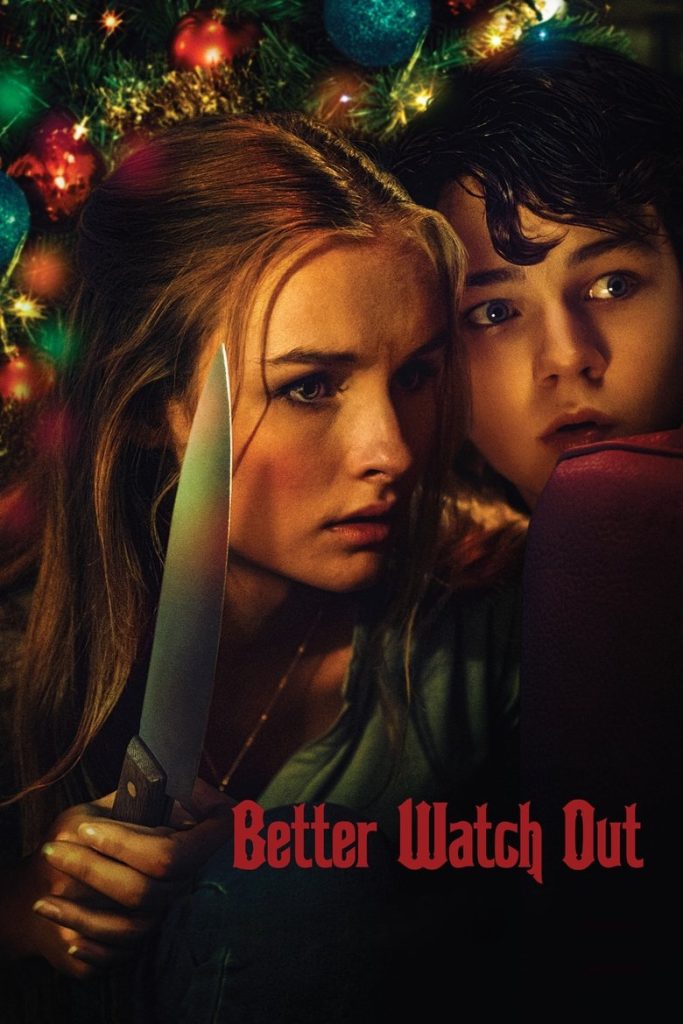
Better Watch Out is a 2017 horror-comedy film that subverts typical home invasion tropes. Set in a seemingly safe suburban neighborhood, the story follows a babysitter who must protect a 12-year-old boy from intruders, only to uncover that the threat is far more sinister and psychologically complex than it initially appears. The film blends suspenseful horror elements with dark humor, creating an unsettling atmosphere that challenges viewers' expectations.
Parent Guide
This R-rated horror-comedy contains intense psychological horror, graphic violence, and mature themes unsuitable for children. Recommended for mature teens 17+ with parental guidance due to disturbing content and complex psychological elements.
Content breakdown
Graphic violence including home invasion scenes, physical assaults, blood, injuries from weapons, and psychological terror. Characters are placed in extreme peril with realistic threat of death. Violence is both physical and psychological.
Intense psychological horror with disturbing themes of manipulation, deception, and betrayal. The film creates sustained tension and features unsettling plot twists. The home invasion scenario combined with psychological manipulation creates particularly disturbing sequences.
Some strong language including profanity, though not excessive. Language includes occasional use of strong expletives in tense situations.
Brief romantic references and mild sexual innuendo. No nudity or explicit sexual content. Some flirtatious dialogue between teenage characters.
Brief social drinking by adult characters in one scene. No substance abuse or drug use depicted.
High emotional intensity throughout with sustained tension, fear, and psychological manipulation. Characters experience betrayal, terror, and moral dilemmas. The film maintains a consistently intense atmosphere.
Parent tips
This film is rated R for strong violence, disturbing content, and language. It contains intense psychological horror, graphic violence including blood and injuries, and themes of manipulation and deception. The dark humor may be inappropriate for younger viewers. Parents should watch first to assess suitability for their teens.
Parent chat guide
Parent follow-up questions
—
—
—
- What did you find most unsettling about the film's twist?
- How did the film use humor to offset the horror elements?
- What messages did you take away about trust and deception?
- How realistic did the characters' reactions to danger seem?
- What makes psychological horror different from other horror types?
🎭 Story Kernel
The film's core is a brutal deconstruction of the 'nice guy' trope and performative masculinity. It's not about external threats breaching domestic safety, but about the rot already festering within it. Luke's meticulously planned assault, disguised as a childish crush, reveals how entitlement curdles into sociopathy when denied. Ashley's transformation from babysitter to final girl is driven by maternal-protective instinct pushed to its logical extreme—she must destroy the boy she was hired to nurture. The movie posits that the most terrifying monsters aren't strangers, but the children we raise in our own homes, warped by privilege and unrequited affection into something unrecognizable.
🎬 Visual Aesthetics
Director Chris Peckover employs a deceptive visual language that mirrors the plot's bait-and-switch. The early act uses warm, Christmas-light glow and steady, suburban compositions lulling viewers into holiday comfort. This aesthetic fractures alongside Ashley's reality. The camera becomes unsteady, favoring tight close-ups on faces slick with sweat and blood under harsh, clinical light. Key violence often happens just off-screen or in reflections, forcing the audience to piece together the horror. The color palette drains from festive reds and greens to sickly yellows and the stark white of snow stained crimson, visually charting the loss of innocence.
🔍 Details & Easter Eggs
💡 Behind the Scenes
Actor Levi Miller (Luke) was 14 during filming, and director Chris Peckover noted the challenge of guiding a young actor through such a morally dark role without affecting him off-set. The suburban house is in Sydney, Australia, standing in for an American neighborhood, which adds to the film's subtly uncanny, any-suburb quality. The script, originally titled 'Safe Neighborhood,' was on the Black List of best unproduced screenplays in 2012. Olivia DeJonge (Ashley) performed most of her own stunts, including the intense physical struggle in the final act.
Where to watch
Choose region:
- Netflix
- Amazon Prime Video
- Peacock Premium
- Philo
- Screambox Amazon Channel
- FlixFling
- Netflix Standard with Ads
- Amazon Prime Video with Ads
- Peacock Premium Plus
- Midnight Pulp Amazon Channel
- Bloodstream
- The Roku Channel
- Fandango at Home Free
- Tubi TV
- Amazon Video
- Apple TV Store
- Google Play Movies
- YouTube
- Fandango At Home
Trailer
Trailer playback is unavailable in your region.