
Between the World and Me (2020)
Story overview
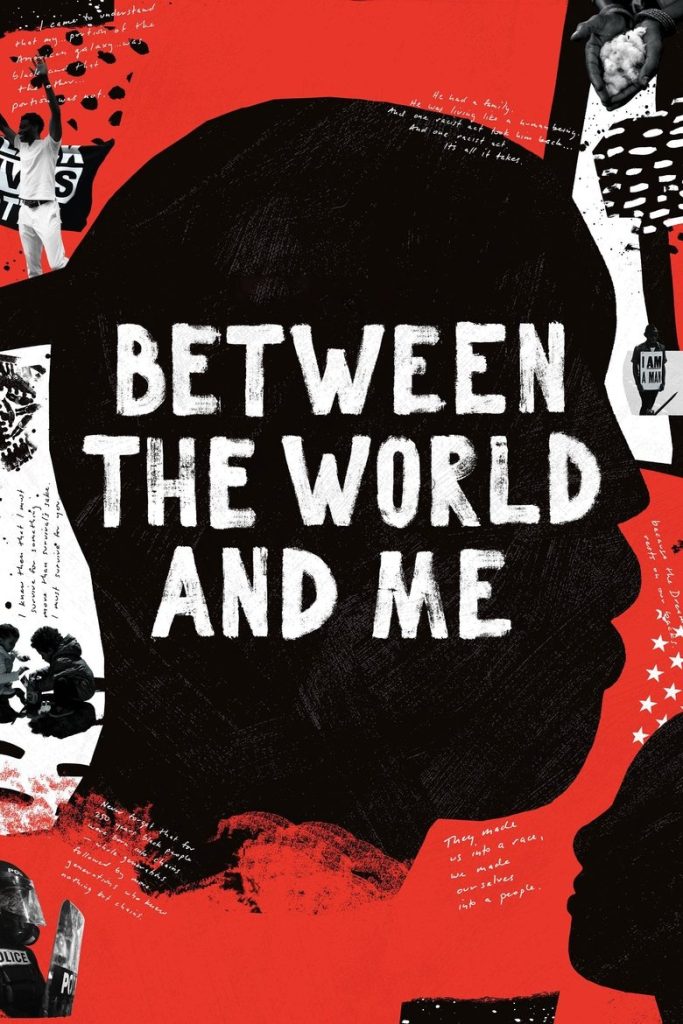
Between the World and Me is a documentary-drama adaptation of Ta-Nehisi Coates' acclaimed book, exploring themes of race, identity, and the Black experience in America through a personal letter to his son. The film blends poetic narration with artistic visuals and archival footage to examine historical and contemporary racial realities. It serves as both a reflection on systemic issues and an intimate family conversation about navigating the world as a Black person.
Parent Guide
A thoughtful documentary-drama exploring racial identity and social justice through personal narrative and artistic expression. Suitable for mature discussions with guidance.
Content breakdown
References to historical and systemic violence, but no graphic depictions or physical confrontations shown.
Themes of racial injustice and discrimination may be emotionally challenging. Discussion of societal problems could be unsettling for sensitive viewers.
No strong profanity expected in documentary-style narration, but may include mature discussions of difficult topics.
No sexual content or nudity present in this documentary-drama format.
No depiction or discussion of substance use.
Serious themes about identity, injustice, and family create emotionally weighty content that requires maturity to process.
Parent tips
This film addresses mature themes of racial injustice, discrimination, and social inequality that may require parental guidance for younger viewers. The content is presented through thoughtful narration and artistic visuals rather than graphic depictions, but the emotional weight of the subject matter could be challenging for children. Consider watching together to provide context and support discussion about these important societal issues.
Parent chat guide
Parent follow-up questions
- What colors did you see in the movie?
- What did you hear in the voices of the people talking?
- How did the pictures make you feel?
- What do you think the movie was about?
- What was your favorite part to watch?
- What did you learn about how people treat each other?
- How do you think the person telling the story felt?
- What does it mean to be fair to everyone?
- What questions do you have about the movie?
- How can we help make sure everyone is treated kindly?
- What messages about family did you notice in the film?
- How does the movie show the importance of understanding history?
- What different ways did people express their feelings in the film?
- How can art help people talk about difficult topics?
- What does it mean to see things from someone else's perspective?
- How does the film connect personal stories to larger social issues?
- What role does storytelling play in addressing systemic problems?
- How might different viewers interpret the film's messages differently?
- What responsibility do individuals have when they witness injustice?
- How can creative expression contribute to social change?
🎭 Story Kernel
The film is not a linear narrative but a profound meditation on the inheritance of racial trauma and the construction of Black identity in America. It uses the central framing device of Ta-Nehisi Coates's letter to his son to explore how history—both personal and collective—is not a distant past but a living, breathing force that shapes the present. The characters are driven by a desperate need to articulate the inarticulable: the fear, the love, and the rage of existing in a body that is constantly under threat. The real conflict isn't between individuals, but between the self and the suffocating weight of a national narrative built on lies. It's about finding language for a grief that feels ancestral.
🎬 Visual Aesthetics
The visual language is stark, intimate, and often claustrophobic. Director Kamilah Forbes employs a palette dominated by deep shadows and pools of warm, isolating light, mirroring the internal world of the subjects. The camera is relentlessly close, often in extreme close-up on faces and hands, making the act of speaking and listening feel physically urgent. Archival footage of historical violence is intercut not as illustration, but as visceral intrusion, its grain and contrast harsh against the contemporary scenes. There are no sweeping establishing shots; the world is built from fragments—a living room, a stage, a street at night—emphasizing the personal as the only reliable scale for this epic sorrow.
🔍 Details & Easter Eggs
💡 Behind the Scenes
The film is an adaptation of Ta-Nehisi Coates's bestselling book, structured as a live performance at the Apollo Theater directed by Kamilah Forbes. The cast includes Coates himself, along with performers like Mahershala Ali, Angela Bassett, and Phylicia Rashad. It was filmed during the 2018 stage production, blending cinematic techniques with the raw, immediate energy of theater. Notably, the decision to retain the theatrical setting—with visible stage lights and the iconic Apollo arch—was intentional, framing the personal testimony as a public, communal act of witnessing, directly engaging with the venue's deep history in Black American culture.
Where to watch
Choose region:
- HBO Max
- HBO Max Amazon Channel
- Amazon Video
- Apple TV
- Google Play Movies
- YouTube
- Fandango At Home
Trailer
Trailer playback is unavailable in your region.