
Bhakshak (2024)
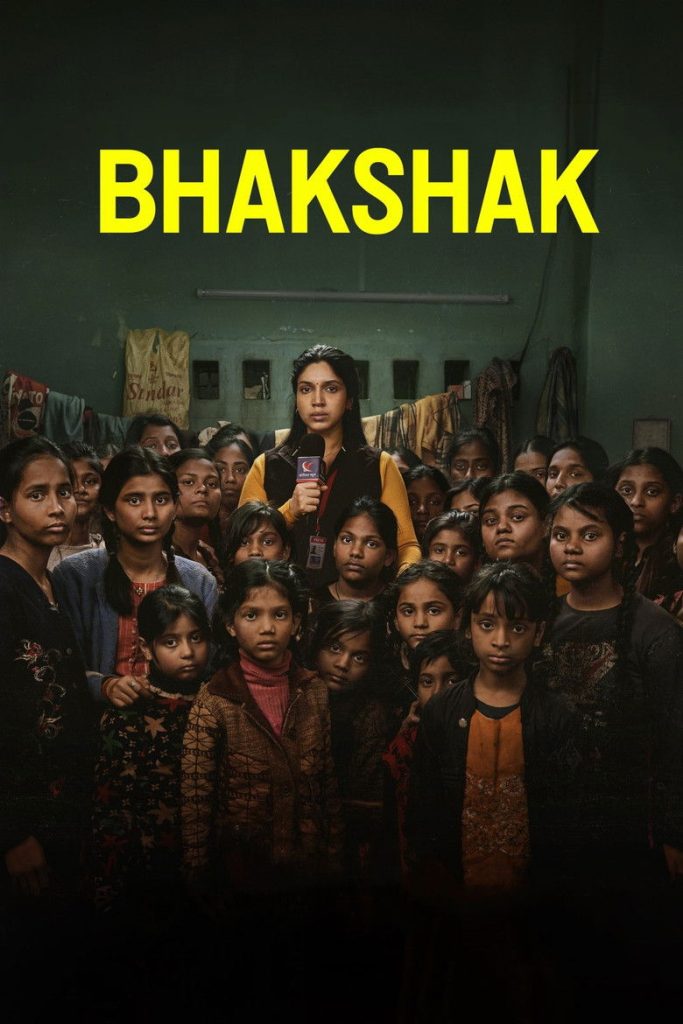
Story overview
Bhakshak is a 2024 drama and crime film rated TV-MA. The movie explores serious themes related to criminal activities and their societal impact. It presents a narrative that requires mature understanding due to its intense subject matter.
Parent Guide
This TV-MA rated drama/crime film contains mature themes requiring viewer discretion.
Content breakdown
Contains crime-related situations that may involve tension and peril.
Themes related to crime and societal issues may be emotionally challenging.
May contain strong language consistent with TV-MA rating.
Possible references or situations, but not graphic.
May include depictions or references to substance use.
Deals with serious themes that require emotional maturity.
Parent tips
This TV-MA rated film contains content suitable only for mature audiences. Parents should be aware that the drama and crime genres often involve intense themes that may not be appropriate for younger viewers. Consider the emotional maturity of your child before viewing, as the subject matter deals with serious societal issues.
Parent chat guide
Parent follow-up questions
- What did you think about the people in the movie?
- How did the movie make you feel?
- What was your favorite part?
- Did anything confuse you?
- What would you tell a friend about this movie?
- What was the main problem in the story?
- How did the characters try to solve their problems?
- What did you learn about how people help each other?
- How did the movie make you think about right and wrong?
- What questions do you have after watching?
- What societal issues does this film address?
- How do the characters demonstrate courage or resilience?
- What ethical dilemmas did you notice in the story?
- How does this film connect to real-world situations?
- What message do you think the filmmakers wanted to share?
- How does this film critique or examine social systems?
- What perspectives on justice and morality are presented?
- How does the film handle complex emotional themes?
- What real-world parallels can you draw from this narrative?
- How does the TV-MA rating reflect the film's mature content?
🎭 Story Kernel
Bhakshak is a harrowing exploration of the collapse of the social contract, where those sworn to protect become the ultimate predators. At its core, the film is not just about the horrific abuse within a girls' shelter home, but about the chilling indifference of the bureaucracy and the middle class. It follows Vaishali Singh, a determined local journalist who risks everything to expose a high-profile child abuse scandal. The narrative expresses the agonizing difficulty of seeking justice in a system rigged to favor the powerful. It highlights the silence of the 'good people' as a form of complicity, suggesting that the real monster isn't just the perpetrator, but the collective apathy that allows such atrocities to persist in plain sight, challenging the viewer to confront their own societal silence.
🎬 Visual Aesthetics
Director Pulkit and cinematographer Shreedutta Namjoshi opt for a grounded, almost documentary-like realism that eschews the typical gloss of mainstream cinema. The visual palette is dominated by muted, earthy tones that reflect the dusty, unglamorous reality of small-town Bihar. The shelter home itself is framed with a claustrophobic intensity; the camera often lingers on barred windows and dimly lit corridors, symbolizing the entrapment of the victims. In contrast, the newsroom scenes are cluttered and chaotic, emphasizing the uphill battle of independent journalism. The use of tight close-ups on Bhumi Pednekar’s face captures the internal conflict between her professional resolve and her personal horror, making the audience feel the weight of the testimonies she uncovers without resorting to graphic or exploitative imagery.
🔍 Details & Easter Eggs
💡 Behind the Scenes
Bhakshak is inspired by the real-life 2018 Muzaffarpur shelter home case in Bihar, where dozens of girls were found to have been sexually abused. The film marks another collaboration between Red Chillies Entertainment and Netflix, continuing their trend of producing socially relevant content. Bhumi Pednekar reportedly spent time with investigative journalists to understand the nuances of their work and the specific challenges faced by women in the field in rural India. Director Pulkit, who previously directed Bose: Dead/Alive, focused on maintaining a sensitive tone to avoid sensationalizing the trauma of the victims while ensuring the narrative remained hard-hitting.
Where to watch
Choose region:
- Netflix
- Netflix Standard with Ads