
Big Mäck: Gangsters and Gold (2023)
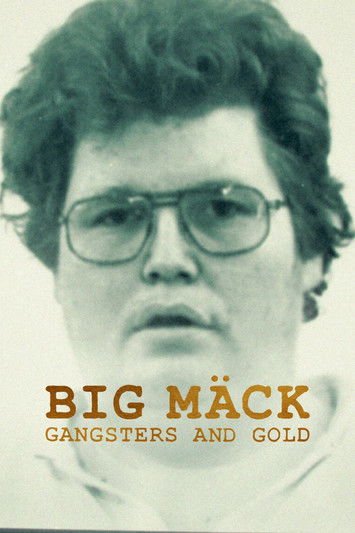
Story overview
This 2023 German documentary explores the case of a man wrongfully convicted of robbery who served six years in prison. Decades later, he becomes a suspect in another investigation, raising questions about his continued innocence and the complexities of the justice system.
Parent Guide
A documentary examining a wrongful conviction case with themes of justice, perseverance, and criminal investigation. Contains mature subject matter but no graphic content.
Content breakdown
Discusses criminal activities (robbery) and imprisonment, but no violent scenes are shown. Some tension around legal proceedings and investigations.
Themes of wrongful imprisonment and being suspected of crimes could be unsettling for sensitive viewers. No jump scares or horror elements.
No offensive language noted in the documentary format. Original German language with subtitles available.
No sexual content or nudity present in this documentary.
No depiction or discussion of substance use.
Deals with serious themes of injustice, imprisonment, and suspicion that could provoke thoughtful discussion. The emotional weight comes from the subject matter rather than dramatic presentation.
Parent tips
This documentary deals with mature themes of wrongful imprisonment and criminal investigations. While not graphic, it discusses serious legal issues that may be difficult for younger children to understand. Best suited for older children and teens who can grasp the documentary's themes about justice and perseverance.
Parent chat guide
Parent follow-up questions
—
- What do you think it would feel like to be accused of something you didn't do?
- Why is it important to tell the truth?
- How do you think someone stays hopeful during six years in prison?
- What makes evidence convincing or not convincing in a trial?
- Why might someone be suspected of a crime more than once?
- What systemic issues in the justice system might lead to wrongful convictions?
- How does this documentary challenge assumptions about guilt and innocence?
- What responsibilities do investigators and courts have to ensure fair trials?
- How might this man's experience affect his life even after being released?
🎭 Story Kernel
At its heart, the documentary explores the devastating fallibility of the justice system and the permanent scarring of a man’s identity. Donald Stellwag’s life is a surreal loop of being the 'wrong man' until the lines between victimhood and complicity begin to blur. The film investigates how a wrongful conviction for a 1990s bank robbery—based on flawed forensic identification—stole a decade of his life. However, it transcends simple true crime by examining his later alleged involvement in a spectacular gold heist. It questions whether a man broken by the law eventually decides to break it back, or if he is simply a perpetual magnet for misfortune. It is a profound study of how society labels individuals based on physical anomalies and how those labels can eventually manifest into a self-fulfilling prophecy of criminality.
🎬 Visual Aesthetics
Directors Spinrath and Hurst employ a visual language that oscillates between the sterile coldness of legal archives and the cluttered, claustrophobic intimacy of Stellwag’s personal environment. The cinematography utilizes tight close-ups on Stellwag, emphasizing his physical presence which was the very thing that doomed him in court. The use of 1990s archival television footage serves as a jarring reminder of the media circus that surrounded his initial exoneration, contrasting sharply with the slick, modern true-crime aesthetic used for the gold heist segments. Symbolically, the recurring imagery of gold and weight serves as a metaphor for the heavy burden of his reputation. The lighting often leaves Stellwag in partial shadow, reflecting the documentary’s central ambiguity: is he a gentle giant or a mastermind hiding behind a mask of historical injustice?
🔍 Details & Easter Eggs
💡 Behind the Scenes
The documentary was produced by bildundtonfabrik (btf), the same production company behind the hit series 'How to Sell Drugs Online (Fast).' Directors Andreas Spinrath and Fabienne Hurst are seasoned investigative journalists, which explains the film's rigorous approach to archival research and its skeptical tone toward official narratives. The project was part of Netflix's expanding slate of German true-crime content. Interestingly, Donald Stellwag himself participated extensively in the interviews, providing a first-hand account that is both charismatic and deeply evasive, adding to the film's complex narrative layers.
Where to watch
Choose region:
- Netflix
- Netflix Standard with Ads