
Biggie: I Got a Story to Tell (2021)
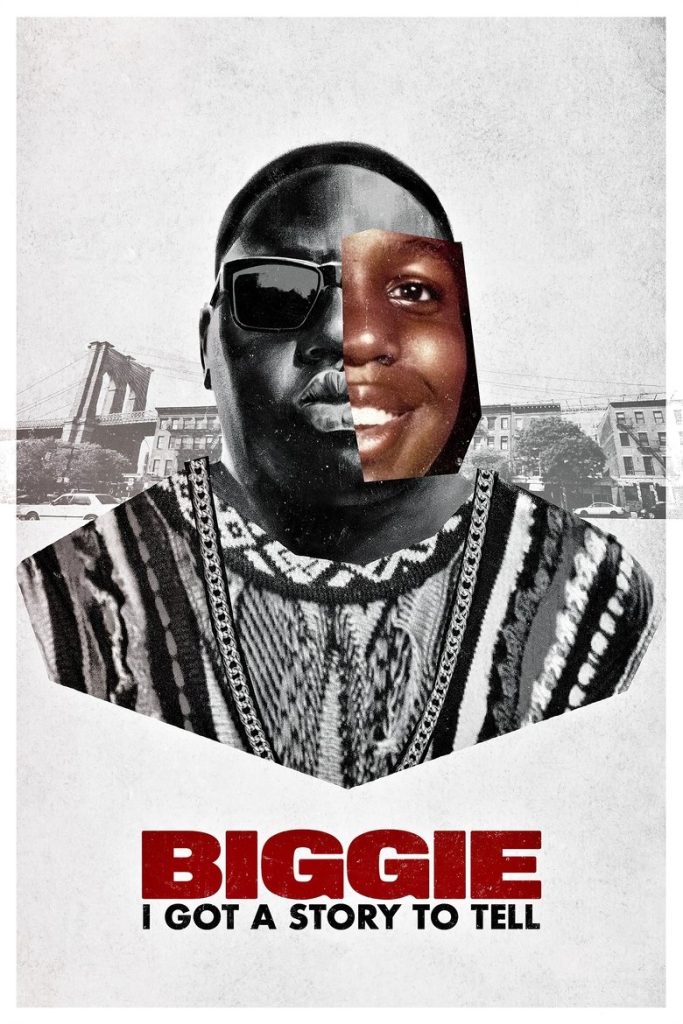
Story overview
This 2021 documentary explores the life and legacy of Christopher Wallace, known as The Notorious B.I.G., one of hip-hop's most influential artists. Through rare archival footage and interviews with close friends and family, it provides an intimate look at his journey from childhood to stardom, his creative process, and his impact on music culture.
Parent Guide
This documentary provides an unflinching look at the life of a hip-hop legend, featuring authentic archival material that includes strong language, discussions of violence and drug culture, and mature themes. While educational for understanding music history, it requires parental guidance for younger viewers.
Content breakdown
Discussions of real-life violence including gang activity and the artist's murder. No graphic violence shown, but the topic is discussed throughout with crime scene photos and news footage.
Emotional discussions of death and loss, particularly surrounding Biggie's murder. Some viewers may find the crime scene footage and discussions of violence disturbing.
Frequent strong language throughout including f-words, n-words, and other profanity in interviews, lyrics, and archival footage. Language is authentic to the hip-hop culture being documented.
Some discussions of relationships and sexuality, but no explicit sexual content or nudity shown. References to adult relationships in interviews.
Discussions of drug use and drug culture, including marijuana and other substances. Some footage shows smoking and references to drug dealing as part of the artist's background.
Emotional interviews with family and friends discussing loss and grief. The documentary deals with themes of mortality, legacy, and the pressures of fame.
Parent tips
This R-rated documentary contains strong language throughout, discussions of drug use and violence, and mature themes. It's best suited for mature teens who can contextualize the content. Parents should preview the film or watch it with their teens to discuss the real-world issues presented.
Parent chat guide
Parent follow-up questions
—
—
- What did you learn about how music is created?
- What positive qualities did you notice about Biggie as a person?
- How does this documentary portray the relationship between an artist's life and their work?
- What societal issues does this film highlight through Biggie's story?
- How do you think fame affected Biggie's life and relationships?
- What responsibilities do documentary filmmakers have when telling real stories?
🎭 Story Kernel
This film isn't just a biography—it's an exploration of how narrative shapes identity. The documentary reveals that Biggie wasn't just a rapper who told stories; he was a man who became his stories. Through intimate interviews with his mother, friends, and collaborators, we see how Wallace's childhood experiences, particularly his father's absence and his mother's struggles, became the raw material for his art. The film argues that Biggie's genius wasn't just in his flow or wordplay, but in his ability to transform personal pain into universal narratives that resonated with millions. His drive came from a need to create a legacy that would outlive him, to turn his Brooklyn reality into myth.
🎬 Visual Aesthetics
The documentary employs a deliberate visual dichotomy: crisp, contemporary interviews contrast with grainy, nostalgic home videos and performance footage. Director Emmett Malloy uses tight close-ups during emotional revelations, creating intimacy with subjects who've rarely spoken publicly. The color palette shifts from warm, saturated tones during childhood recollections to cooler, more cinematic blues during discussions of his rise and death. Archival concert footage is presented without flashy edits, letting Biggie's stage presence speak for itself. The most powerful visual choice is the absence of reenactments—the film trusts the authenticity of its materials.
🔍 Details & Easter Eggs
💡 Behind the Scenes
Director Emmett Malloy gained unprecedented access to the Wallace family archives, including never-before-seen home videos shot by Biggie's best friend, Damion 'D-Roc' Butler. The film's most poignant interviews were conducted in the actual Brooklyn apartments where Biggie grew up. Notably, Sean 'Diddy' Combs participated but insisted on being filmed in natural light rather than studio setups. The project took three years to complete because the family wanted to ensure it focused on Christopher Wallace the person rather than just Biggie Smalls the icon.
Where to watch
Choose region:
- Netflix
- Netflix Standard with Ads
Trailer
Trailer playback is unavailable in your region.