Billy & Molly: An Otter Love Story (2024)
Story overview
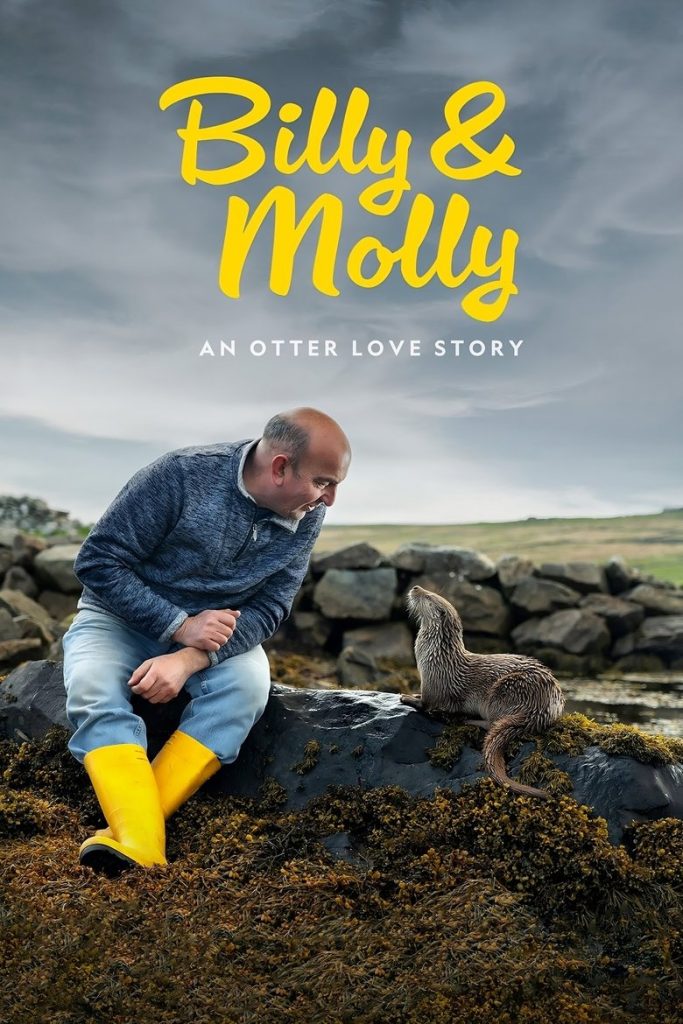
This 2024 documentary follows Billy Mail, a man living in the remote Shetland Islands, as he forms an extraordinary bond with a wild otter named Molly. The film captures their daily interactions, showcasing the trust and affection that develops between human and animal in a rugged natural setting. It explores themes of connection, isolation, and the beauty of interspecies relationships through stunning wildlife cinematography.
Parent Guide
A gentle, heartwarming documentary about human-animal connection with minimal concerning content. Suitable for most children with parental guidance for younger viewers.
Content breakdown
Natural wildlife scenes show the otter hunting and eating fish (no graphic details). Some scenes depict the otter in potentially dangerous natural environments like rocky shores and cold water.
No scary or disturbing content. The tone is consistently gentle and observational. Some children might find the isolation of the setting melancholic but not frightening.
No offensive language. The narration and dialogue are educational and respectful throughout.
No sexual content or nudity. The film focuses entirely on the human-animal relationship and natural environments.
No depiction of alcohol, drugs, or tobacco use.
Emotional moments of connection between human and animal, and themes of loneliness/isolation in remote living. The overall tone is uplifting rather than intense.
Parent tips
This gentle documentary is suitable for most children, but parents should note: 1) The film depicts life in remote wilderness with themes of loneliness and isolation that might require explanation for younger viewers. 2) Some scenes show the otter hunting fish, which is natural animal behavior but might be intense for sensitive children. 3) The film's pacing is contemplative and might not hold the attention of very young children. 4) Consider discussing how wild animals should be observed respectfully from a distance in real life.
Parent chat guide
Parent follow-up questions
- What was your favorite part about Molly the otter?
- How do you think Billy felt when he first met Molly?
- What sounds did you hear in the movie?
- Would you like to visit a place like the Shetland Islands?
- Why do you think Molly trusted Billy?
- What challenges do you think Billy faced living so remotely?
- How is Molly's life different from a pet's life?
- What did you learn about otters from this film?
- What does this documentary suggest about human-animal relationships?
- How did the filmmakers capture such intimate wildlife footage?
- What ethical considerations arise when humans form bonds with wild animals?
- How does the film balance scientific observation with emotional storytelling?
- How does this documentary comment on human isolation and connection?
- What cinematography techniques made the wildlife footage particularly effective?
- How does this film fit within the tradition of nature documentaries?
- What conservation messages are implied in this human-animal relationship story?
🎭 Story Kernel
At its heart, the film is a meditation on the restorative power of the natural world and the delicate ethics of human intervention. It transcends the standard animal rescue trope by focusing on Billy Mail’s internal landscape; Molly isn't just a rescued pup, but a catalyst for Billy to reconnect with a sense of wonder and purpose. The narrative explores the tension between the human desire to protect and the biological necessity of wildness. It posits that love, in its purest form, requires the strength to foster independence rather than dependency. As Molly matures and eventually returns to the sea to raise her own litter, the film transforms into a bittersweet lesson on the beauty of transient connections and the profound impact of witnessing a life lived in total harmony with its environment.
🎬 Visual Aesthetics
Director Charlie Hamilton James utilizes his background as a world-class wildlife photographer to create a visual language that is both epic and microscopic. The cinematography captures the rugged, unforgiving beauty of the Shetland Islands—its slate-grey waters and emerald cliffs—while maintaining an almost intrusive intimacy with Molly. The use of natural light, particularly during the golden and blue hours, emphasizes the ethereal quality of the bond. Symbolism is found in the threshold of Billy’s home; the doorway represents the thin veil between the domestic human world and the untamed wild. The camera often lingers on the textures of fur, water droplets, and kelp, grounding the emotional beats in a tactile reality that makes the eventual separation feel physically resonant for the viewer, effectively blurring the line between traditional documentary and cinematic poetry.
🔍 Details & Easter Eggs
💡 Behind the Scenes
Director Charlie Hamilton James is a multi-award-winning filmmaker and National Geographic photographer who has spent over 20 years documenting otters. This project, produced by Silverback Films—the renowned team behind 'Our Planet'—utilized state-of-the-art 4K cinematography to capture the Shetland landscape in unprecedented detail. Unlike many wildlife documentaries that might use captive animals for close-up inserts, this film relied entirely on the genuine, wild interactions between Billy and Molly over a period of two years. The production required immense patience to ensure Molly's natural behavior was never compromised by the camera crew, maintaining a strictly observational and non-intrusive approach.
Where to watch
Choose region:
- Disney Plus
Trailer
Trailer playback is unavailable in your region.