
Bittersweet Rain (2023)
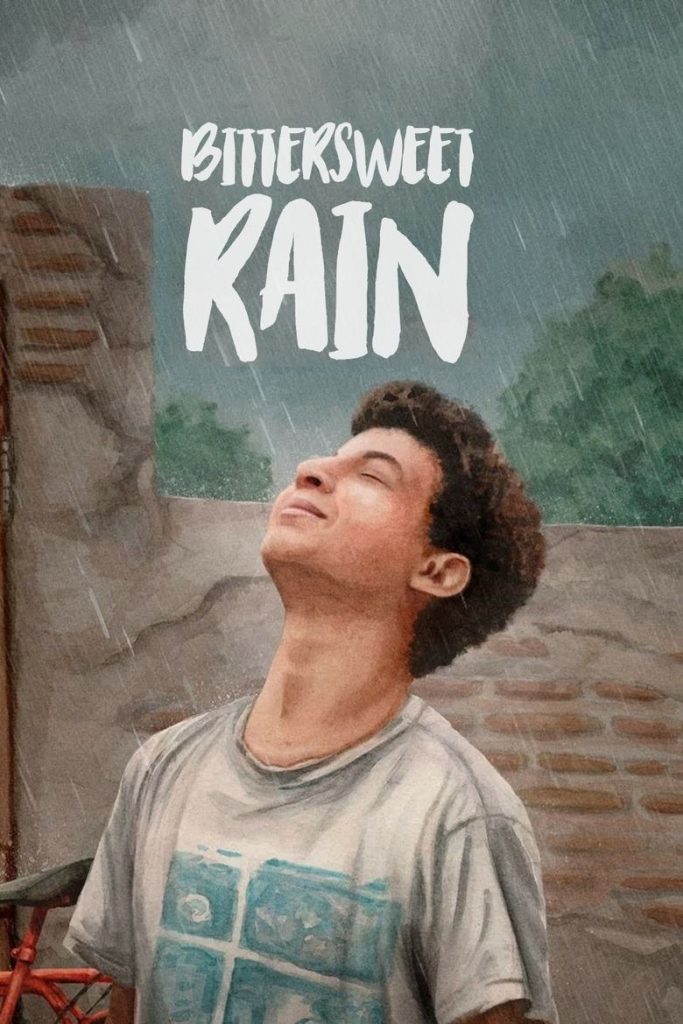
Story overview
In a small Brazilian town, a fatherless teenage boy faces the dual challenges of adolescence and a degenerative eye condition that will eventually cause blindness. As his vision worsens, he experiences the heartache of unrequited first love and must ultimately discover how to perceive life from a new perspective.
Parent Guide
A thoughtful Brazilian drama about a teenager facing blindness and unrequited love. Suitable for mature pre-teens and teenagers who can handle emotional themes.
Content breakdown
No violence or physical peril depicted.
The progressive vision loss and emotional distress may be unsettling for sensitive viewers. Some scenes show medical examinations and the character's frustration with his condition.
No strong language expected in this type of drama.
No sexual content or nudity. The film deals with romantic feelings in a chaste, emotional manner.
No substance use depicted.
The film explores themes of loss, disability, and unrequited love with emotional depth. The protagonist's journey may evoke strong feelings of empathy and sadness.
Parent tips
This drama deals with serious themes of disability, loss, and emotional vulnerability. It may prompt discussions about resilience, empathy, and adapting to life's challenges. The film's pacing is deliberate, focusing on emotional depth rather than action.
Parent chat guide
Parent follow-up questions
—
- What does it mean to 'see with different eyes'?
- How do you think the boy felt when his eyesight got worse?
- What are some ways people can help others who are going through hard times?
- How does the film portray the experience of living with a disability?
- What role does friendship play in helping the main character cope?
- Why do you think first love can be both exciting and painful?
- How does the film explore the intersection of physical and emotional vulnerability?
- What commentary does the film make about societal attitudes toward disability?
- How does the Brazilian setting influence the story's themes of community and isolation?
🎭 Story Kernel
The film centers on Bruno, a fifteen-year-old boy in the backlands of Bahia, who faces a life-altering diagnosis: a degenerative eye disease that will lead to total blindness. Rather than a melodrama, Haroldo Borges crafts a profound coming-of-age narrative that explores the concept of 'saudade'—a deep, nostalgic longing—for a world that is literally fading away. The story is less about the tragedy of disability and more about the internal architecture of a young man learning to navigate a future without sight. It captures the raw vulnerability of adolescence, the bonds of brotherhood, and the stoic acceptance of fate. By focusing on Bruno's sensory transition, the film expresses the universal struggle of adapting to loss while maintaining one's identity in an indifferent yet beautiful world.
🎬 Visual Aesthetics
Cinematographer Diego Hagge employs a visceral, intimate visual language that mirrors Bruno’s deteriorating vision. The use of a handheld camera creates a sense of proximity and instability, placing the viewer directly within Bruno's shrinking world. Shallow depth of field and soft-focus shots are frequently utilized to simulate the blurring of reality, emphasizing textures and light over sharp details. The lighting captures the harsh, golden sun of the Brazilian sertão, which contrasts sharply with the encroaching shadows of Bruno’s condition. Symbolically, the film uses reflections and the play of light on water to represent the fluid, fleeting nature of visual memory. This aesthetic choice forces the audience to rely on sound and movement, bridging the gap between the sighted and the sightless experience.
🔍 Details & Easter Eggs
💡 Behind the Scenes
Bittersweet Rain was a major success on the festival circuit, notably winning the Golden Astor for Best Film at the 37th Mar del Plata International Film Festival. Director Haroldo Borges is a member of the Plano 3 Filmes collective, which is known for its collaborative approach to filmmaking. To ensure authenticity, the production cast non-professional actors from the rural regions of Bahia, including the lead, Bruno Jefferson. The film was praised for its sensitive portrayal of disability without falling into 'inspiration porn' tropes, focusing instead on the authentic cultural and social environment of the Brazilian Northeast.
Where to watch
Choose region:
- Netflix
- Netflix Standard with Ads
Trailer
Trailer playback is unavailable in your region.