
Black Art: In the Absence of Light (2021)
Story overview
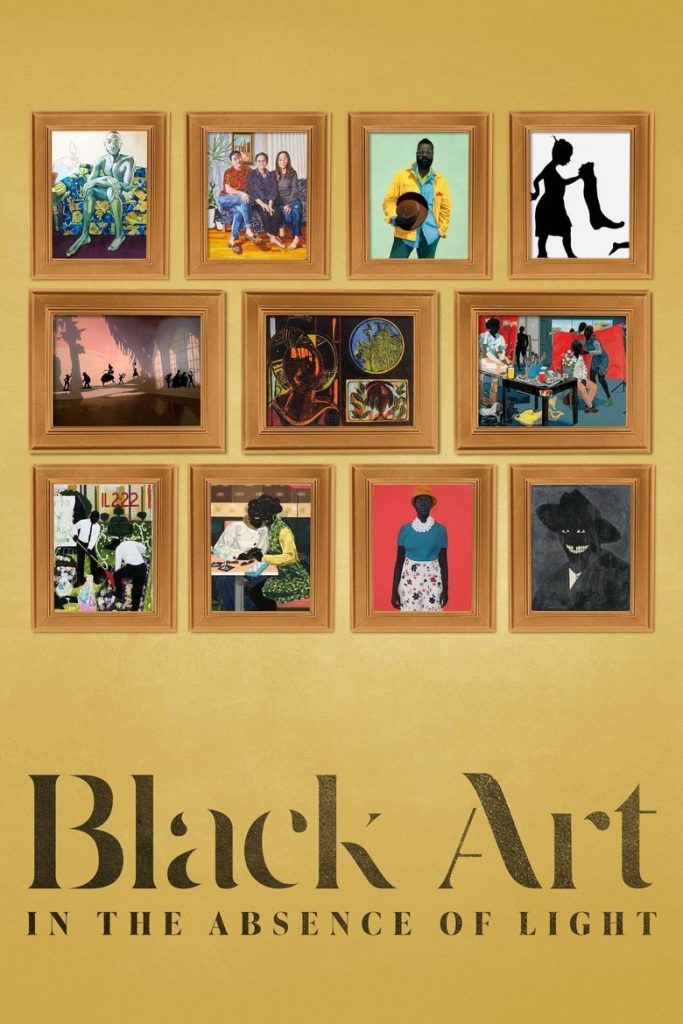
This documentary explores the world of contemporary Black visual artists, showcasing their work and discussing themes of identity, representation, and artistic expression. It serves as an educational introduction to significant artists in the field, framed around a historic exhibition.
Parent Guide
Educational documentary about Black visual artists with mature thematic discussions suitable for older children and teens.
Content breakdown
No violence or peril depicted.
Some artwork may contain challenging themes related to racial history and identity, but nothing graphic or frightening.
No strong language noted.
Some artwork may include artistic nudity or suggestive themes typical of fine art.
No substance use depicted.
Discussions of racial identity and representation may provoke thoughtful reflection, but the tone is primarily educational and inspirational.
Parent tips
This documentary is suitable for older children and teens interested in art or cultural studies. It discusses mature themes like racial identity and representation, so parents may want to watch with younger viewers to provide context. The film features discussions about art history and social issues that might require explanation for younger audiences.
Parent chat guide
Parent follow-up questions
—
- What colors did you see in the artwork?
- Which painting did you like best and why?
- How do you think the artists' backgrounds influence their work?
- What do you think the artists are trying to say through their art?
- How does this documentary challenge traditional art history narratives?
- What connections do you see between the artists' work and broader social issues?
🎭 Story Kernel
The film's core theme is the systemic erasure and subsequent reclamation of Black artistic identity within American art history. It's not merely a celebration of contemporary Black artists but a forensic examination of why their work was historically excluded from major institutions. The documentary argues that the 1976 'Two Centuries of Black American Art' exhibition wasn't just a show—it was a radical act of historical correction that created a lineage where none was officially acknowledged. The driving force for the featured artists isn't just personal expression but the collective burden and joy of building a canon against institutional silence. It explores how visibility creates legacy, and how legacy, in turn, demands responsibility from both the artists who create it and the institutions that have long ignored it.
🎬 Visual Aesthetics
The visual language masterfully mirrors its subject: the curation of art itself. Interviews are framed like portraits, placing the artists as subjects worthy of the same studied gaze as their work. The camera lingers on brushstrokes, textures, and installations, translating the tactile experience of art into film. A restrained, documentary-style color palette gives way to explosive bursts of color when focusing on the artworks, visually emphasizing the 'light' referenced in the title emerging from historical 'absence.' The editing rhythm alternates between the slow contemplation of art and the rapid-fire montage of archival news clips and exhibition footage, creating a dialogue between the quiet act of creation and the public, often contentious, reception of Black art.
🔍 Details & Easter Eggs
💡 Behind the Scenes
The documentary is directed by Sam Pollard, a prolific editor and director known for his work on Spike Lee's films and acclaimed documentaries like 'MLK/FBI.' Its title directly references the groundbreaking 1976 exhibition 'Two Centuries of Black American Art,' curated by David Driskell, who is a central figure in the film. Many of the contemporary interviews, like with artist Faith Ringgold, were filmed in the artists' own studios, providing an intimate, unvarnished look at their creative environments. The project was championed by HBO, which has a history of supporting documentarian deep-dives into Black cultural history.
Where to watch
Choose region:
- HBO Max
- HBO Max Amazon Channel
- Amazon Video
- Apple TV Store
- Google Play Movies
- YouTube
- Fandango At Home
Trailer
Trailer playback is unavailable in your region.