
Black Clover: Sword of the Wizard King (2023)
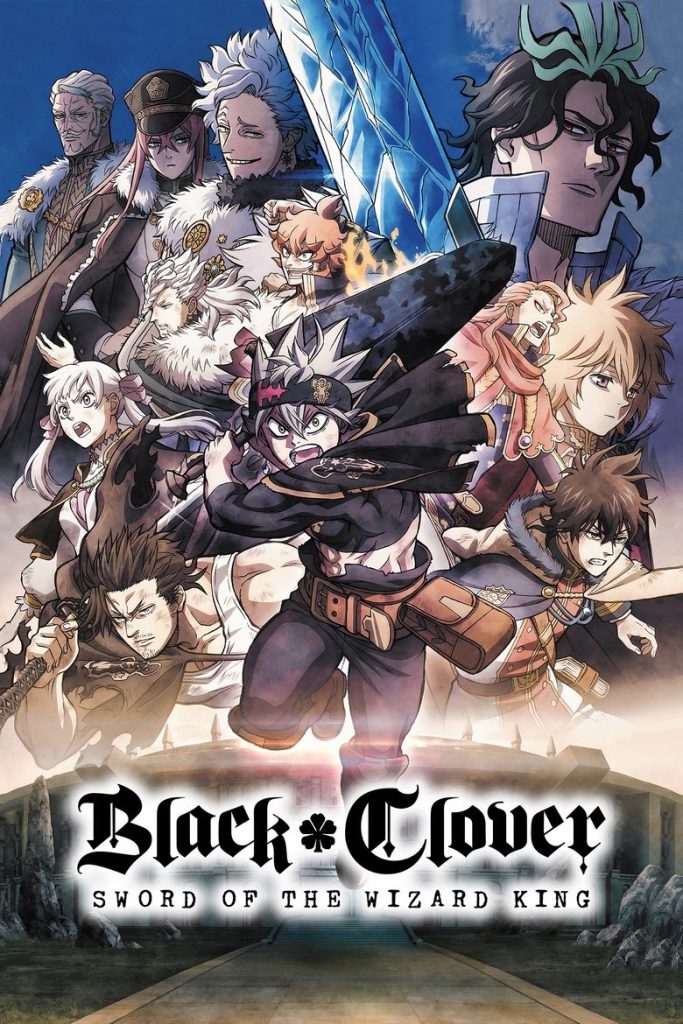
Story overview
This animated fantasy adventure follows a determined young boy who lacks magical abilities but dreams of becoming the Wizard King. When four former Wizard Kings return from exile to attack the kingdom, he must help defend it despite his limitations. The story explores themes of perseverance, courage, and finding strength in unexpected places as characters face powerful magical threats.
Parent Guide
Animated fantasy adventure with magical battles and themes of perseverance, most suitable for viewers 10+ with parental guidance for intense action sequences.
Content breakdown
Fantasy violence includes magical battles, energy blasts, explosions, sword fighting, and perilous situations where characters are in danger. No graphic injuries or blood shown.
Some intense magical confrontations and powerful antagonists might be frightening for sensitive younger viewers, but no truly horrifying imagery.
No strong language or profanity noted in the provided information.
No sexual content or nudity present.
No depiction of alcohol, drugs, or substance use.
Characters face significant challenges, dangerous opponents, and high-stakes situations that create emotional tension throughout the story.
Parent tips
This film contains moderate fantasy violence with magical battles, explosions, and perilous situations that might be intense for younger viewers. The TV-14 rating suggests it's most appropriate for teens, but mature children around 8-12 may handle it with guidance. Parents should be aware of the emotional intensity as characters face significant challenges and dangerous opponents.
While there's no sexual content, strong language, or substance use, the magical combat scenes include energy blasts, sword fighting, and destruction that could be overwhelming for sensitive children. The story's themes of overcoming limitations and protecting others provide positive messages, but the action sequences require consideration of your child's tolerance for fantasy violence.
Parent chat guide
For younger viewers, focus conversations on the friendship and teamwork elements rather than the conflict. With teens, you might explore deeper themes about societal expectations and defying limitations. Always create space for your child to express any concerns or questions about what they've seen.
Parent follow-up questions
- Which character did you like the most?
- What was your favorite magic in the movie?
- How did the friends help each other?
- What made you feel happy in the story?
- What color was your favorite magic?
- What challenges did the main character face?
- Why do you think he kept trying even when things were hard?
- How did the characters work together?
- What would you do if you couldn't use magic but wanted to help?
- What does 'never give up' mean to you?
- What does it mean to be a true leader?
- How did characters show courage in different ways?
- What responsibilities come with having power?
- Why is it important to protect others?
- How can someone be strong without special abilities?
- What societal messages about ability and worth does the film explore?
- How do the characters' motivations reflect real-world leadership challenges?
- What does the film suggest about overcoming systemic limitations?
- How are conflicts resolved beyond just physical strength?
- What makes a community worth defending?
🎭 Story Kernel
The film functions as a philosophical battleground between two generations of dreamers. It centers on Conrad Leto, a former Wizard King whose descent into nihilism leads him to attempt a total systemic reset of the Clover Kingdom. The narrative explores the corruption inherent in a meritocracy built on discrimination, positioning Conrad as a tragic mirror to Asta. While both characters seek to abolish inequality, the movie examines the moral divide between Conrad’s destructive 'cleansing' and Asta’s persistence in reforming the world from within. It is a story about the weight of the 'Wizard King' title, questioning whether the legacy of the past is a foundation to build upon or a shackle that must be broken to ensure a truly equitable future for those without mana.
🎬 Visual Aesthetics
Studio Pierrot delivers a masterclass in kinetic energy, utilizing sweeping virtual camera movements that emphasize the verticality of the Clover Kingdom. The visual language relies heavily on the contrast between the Imperial Sword Elsdocia’s celestial radiance and the jagged, obsidian nature of Asta’s anti-magic. The cinematography during the final act employs a 'shaky-cam' aesthetic within the animation to simulate the sheer pressure of the magical clashes, adding a visceral layer to the experience. Symbolism is woven into the elemental designs of the four resurrected kings, each representing a different era of the kingdom’s history. The use of particle effects and high-contrast lighting during the 'Meteorite' sequence elevates the film beyond standard television production values, creating a dense, almost overwhelming sensory experience that mirrors the chaotic stakes of the conflict.
🔍 Details & Easter Eggs
💡 Behind the Scenes
While the film presents an original story not found in the manga, it was heavily supervised by the original creator, Yuki Tabata, who provided the character designs and backstories for the four former Wizard Kings to ensure they fit within the series' lore. This project marks Ayataka Tanemura's feature film directorial debut for the franchise. The production faced a significant three-month delay, moving from March to June 2023, due to COVID-19 related issues. Interestingly, the film's global release on Netflix occurred simultaneously with its Japanese theatrical debut, a strategy designed to capitalize on the franchise's massive international streaming popularity.
Where to watch
Choose region:
- Netflix
- Netflix Standard with Ads
Trailer
Trailer playback is unavailable in your region.