
Black Is King (2020)
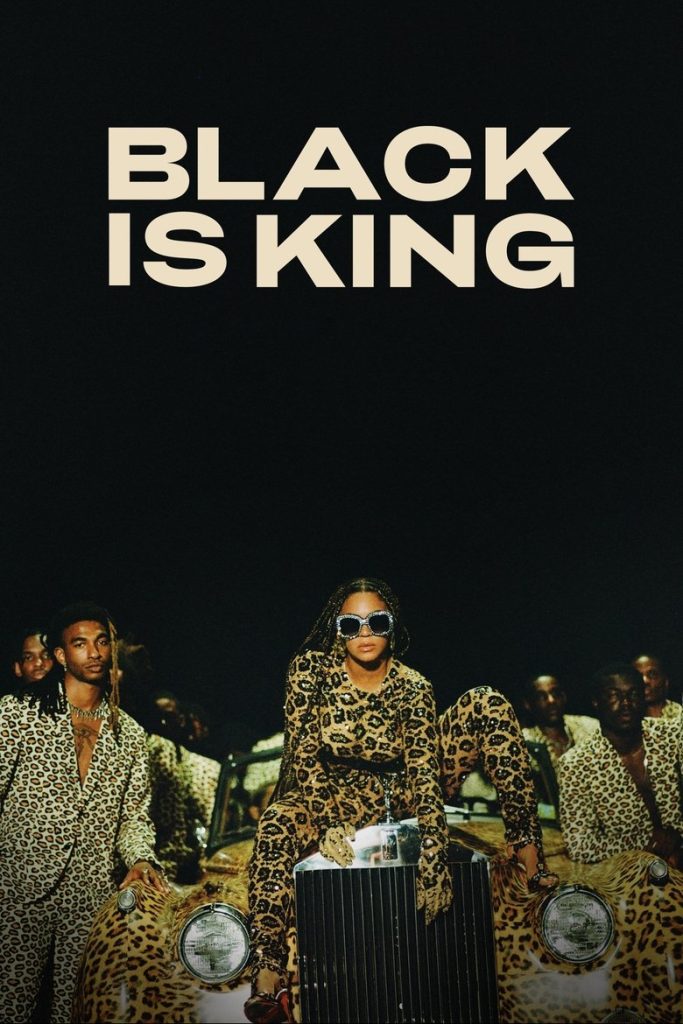
Story overview
Black Is King is a 2020 visual album by Beyoncé that creatively reinterprets the themes of 'The Lion King' (2019) through a celebration of African culture, identity, and heritage. Presented as a musical journey, it blends stunning visuals, fashion, and dance to explore concepts of self-discovery, ancestry, and empowerment, targeting a young audience with its artistic and symbolic narrative.
Parent Guide
Black Is King is an artistic visual album with minimal concerning content but deep thematic elements. It's suitable for older children and teens who can engage with its symbolic narrative and cultural themes. Parental guidance is recommended to help younger viewers understand the abstract storytelling and discuss its messages.
Content breakdown
No physical violence or peril. Some scenes use symbolic imagery that might be intense, such as dramatic lighting or expressive performances, but there is no danger or conflict depicted.
The film includes artistic and stylized visuals that could be overwhelming or confusing for very young children. Some scenes feature bold colors, rapid editing, or abstract concepts that might be perceived as intense but are not traditionally scary.
No profanity or offensive language. The dialogue is minimal, with most content delivered through song lyrics that are positive and empowering.
Some scenes feature suggestive dancing or revealing costumes typical of music videos, but there is no explicit nudity or sexual content. It's presented in an artistic and celebratory context.
No depiction of alcohol, drugs, or smoking.
The film deals with emotional themes such as identity, heritage, and empowerment, which might resonate deeply with older viewers. The artistic presentation and powerful music can create an intense viewing experience, but it's generally positive and uplifting.
Parent tips
This film is a visual and musical experience with deep cultural themes. It's best suited for children who can appreciate artistic expression and abstract storytelling. Parents should be prepared to discuss themes of identity, heritage, and empowerment, as the content is more symbolic than plot-driven. The TV-14 rating suggests it may be intense for younger viewers due to its mature themes and artistic style.
Parent chat guide
Parent follow-up questions
- What was your favorite song in the movie?
- Did you see any animals or beautiful clothes?
- What colors did you like best?
- What do you think the movie was trying to say about being proud of who you are?
- How did the music and dancing make you feel?
- What parts of African culture did you notice in the film?
- How does this film connect to the story of 'The Lion King'?
- What messages about identity and heritage did you take away?
- Why do you think Beyoncé made this visual album?
- Discuss how the film addresses themes of diaspora and cultural reconnection.
- Analyze the use of symbolism and fashion in conveying empowerment.
- How does this work contribute to conversations about representation in media?
🎭 Story Kernel
At its core, 'Black Is King' is a cinematic reclamation of African identity through the lens of diaspora. Using the framework of 'The Lion King' as allegory, it explores the journey of a young Black prince (representing both Simba and the collective African descendant) who must rediscover his royal lineage after displacement. The narrative isn't driven by traditional plot but by emotional and spiritual awakening—the protagonist's motivation is to reconnect with ancestral memory and transform inherited trauma into power. Beyoncé presents diaspora not as loss but as a scattering of seeds that grow into new forms of majesty, challenging monolithic narratives of African identity while celebrating its global expressions.
🎬 Visual Aesthetics
The film operates as a visual symphony where every frame feels meticulously curated like a museum installation. Cinematography shifts between intimate close-ups that capture vulnerability and sweeping aerial shots that emphasize scale and majesty. Color palettes are deliberately symbolic: gold represents royalty and divinity, deep blues signify spiritual depth, and earthy tones ground the narrative in ancestral soil. Water appears repeatedly as both cleansing element and historical reference to the Middle Passage. The visual language blends Afrofuturism with traditional African aesthetics, creating a timeless quality that suggests past, present, and future exist simultaneously in Black consciousness.
🔍 Details & Easter Eggs
💡 Behind the Scenes
Beyoncé and director Emmanuel Adjei filmed across four continents over a year, with locations including Ghana, South Africa, Belgium, and California. The production involved collaboration with African artists like Burna Boy, Wizkid, and Tiwa Savage months before their Western breakthrough. Costume designer Zerina Akers worked with artisans from Nigeria, Ghana, and Senegal to create pieces blending traditional techniques with contemporary design. Notably, the film's release was strategically timed to the one-year anniversary of 'The Lion King' remake, creating deliberate intertextuality with Disney's narrative while subverting its Western perspective through Pan-African visual storytelling.
Where to watch
Choose region:
- Disney Plus
Trailer
Trailer playback is unavailable in your region.