
Blade Runner (1982)
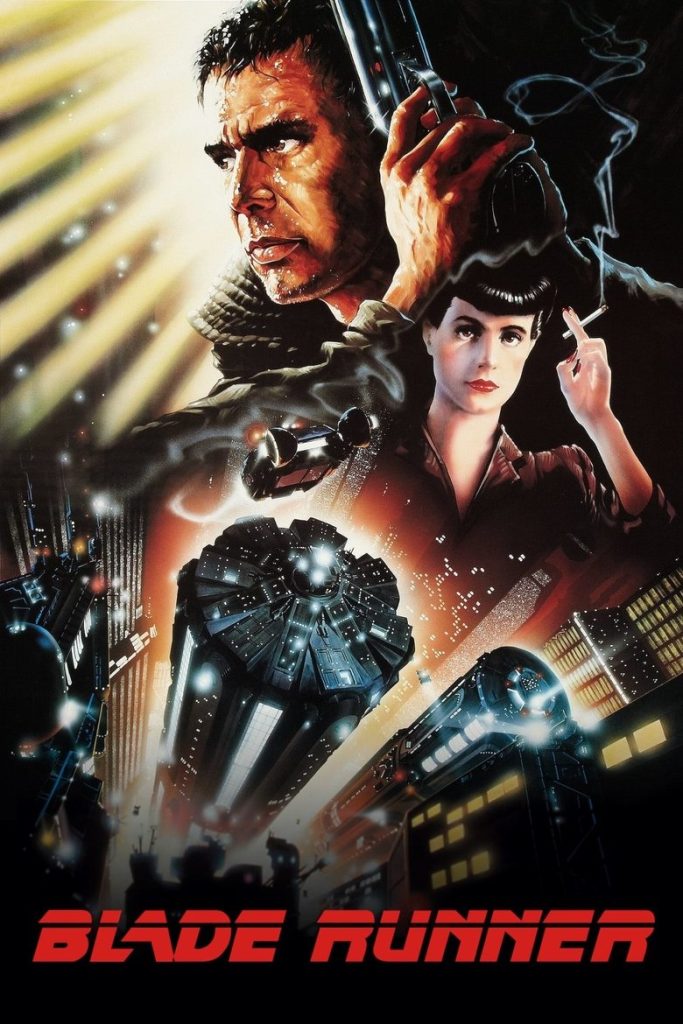
Story overview
Blade Runner is a classic science fiction film set in a dark, futuristic version of Los Angeles. The story follows a retired police officer who is tasked with tracking down and eliminating four advanced artificial beings who have illegally returned to Earth. The film explores deep themes about humanity, identity, and what it means to be alive through its atmospheric visuals and philosophical narrative.
Parent Guide
A thought-provoking but intense science fiction film with mature themes and graphic violence, recommended for older teens and adults.
Content breakdown
Graphic violence including shootings, physical confrontations, eye trauma, and other visceral moments. Characters are frequently in peril.
Dark, dystopian atmosphere with disturbing imagery. Themes of mortality and existential dread. Some intense and unsettling scenes.
Strong language including profanity, though not constant throughout the film.
Brief nudity in one scene and some sexual references.
Characters are shown drinking alcohol in social settings.
High emotional intensity with themes of mortality, identity crisis, and existential questions. The overall mood is bleak and philosophical.
Parent tips
This film is rated R for strong violence, language, and thematic elements. The dystopian setting features intense scenes of peril, graphic violence including shootings and physical confrontations, and disturbing imagery. The philosophical themes about existence and mortality are complex and may be challenging for younger viewers to process.
Parents should be aware that the film contains strong language, brief nudity in one scene, and a generally dark, oppressive atmosphere throughout. The violence is not constant but can be graphic when it occurs, including eye trauma and other visceral moments. The film's pacing is deliberate and contemplative, which may test the patience of viewers accustomed to more action-oriented science fiction.
Consider the emotional maturity of your child before viewing. The film raises profound questions about consciousness, empathy, and what separates humans from artificial beings. These themes are presented in a visually striking but often bleak environment that could be unsettling for sensitive viewers.
Parent chat guide
During viewing, be available to answer questions about the film's complex themes and disturbing imagery. Pause if needed to discuss why certain scenes might be intense or confusing. Help younger viewers understand the difference between the film's fictional world and reality, especially regarding the violence and dystopian elements.
After watching, discuss the moral questions raised by the story. Ask what your child thought about how different characters treated the artificial beings. Explore themes of empathy, mortality, and what qualities define humanity. This can lead to meaningful conversations about ethics, technology, and how we value different forms of life.
Parent follow-up questions
- What was your favorite part of the movie?
- Did any parts make you feel scared or worried?
- What colors did you see in the city?
- Can you tell me about the flying cars?
- How did the music make you feel?
- What did you think about the future city in the movie?
- How were the artificial beings different from humans?
- What made some characters want to help others?
- Which character did you feel most sorry for and why?
- What would you do if you met an artificial person?
- What do you think the film is saying about what makes someone human?
- How did the setting affect the mood of the story?
- Why do you think some characters showed empathy while others didn't?
- What questions about life and death did the movie make you think about?
- How does this future compare to how you imagine our real future?
- How does the film explore themes of identity and consciousness?
- What ethical questions does the treatment of artificial beings raise?
- How does the visual style contribute to the film's themes?
- What commentary does the film make about corporate power and control?
- How do the characters' different perspectives on life and death shape the story?
🎭 Story Kernel
At its core, 'Blade Runner' explores the paradox of humanity through artificial beings. The Replicants, created as disposable labor, develop desires, memories, and a will to live that mirror—and sometimes surpass—human qualities. Deckard's journey from detached hunter to conflicted empath forces the audience to question who the real 'human' is. The film suggests humanity isn't defined by biology but by experience, emotion, and the struggle against mortality. Roy Batty's final act of mercy, saving Deckard after their brutal fight, becomes the ultimate proof of a soul—compassion in the face of oblivion.
🎬 Visual Aesthetics
Ridley Scott's dystopian Los Angeles is a character itself—perpetually rainy, neon-drenched, and claustrophobic. The visual language contrasts cold, sterile corporate spaces (Tyrell's pyramid) with chaotic, multicultural street life. The iconic 'tears in rain' scene uses soft, diffused light on Batty's face as he dies, contrasting with the harsh neon that dominates the film. The constant rain and smoke create a textured, decaying atmosphere where nothing feels clean or new. The Vangelis score blends synth with jazz saxophone, mirroring the fusion of futuristic and noir elements visually present throughout.
🔍 Details & Easter Eggs
💡 Behind the Scenes
Rutger Hauer improvised the iconic 'tears in rain' monologue, trimming down a longer speech to its poetic essence. The dystopian street scenes were filmed at the then-abandoned Warner Bros. backlot, with smoke machines running constantly to create the perpetual haze. Sean Young's Rachael was originally written as a more stereotypical femme fatale, but Young's performance added layers of vulnerability that made her humanity debate more compelling. The film initially bombed at the box office but found its audience through midnight screenings and home video, eventually becoming a cult classic that defined cyberpunk aesthetics.
Where to watch
Choose region:
- Amazon Video
- Google Play Movies
- YouTube
- Fandango At Home
Trailer
Trailer playback is unavailable in your region.