Blue Is the Warmest Color (2013)
Story overview
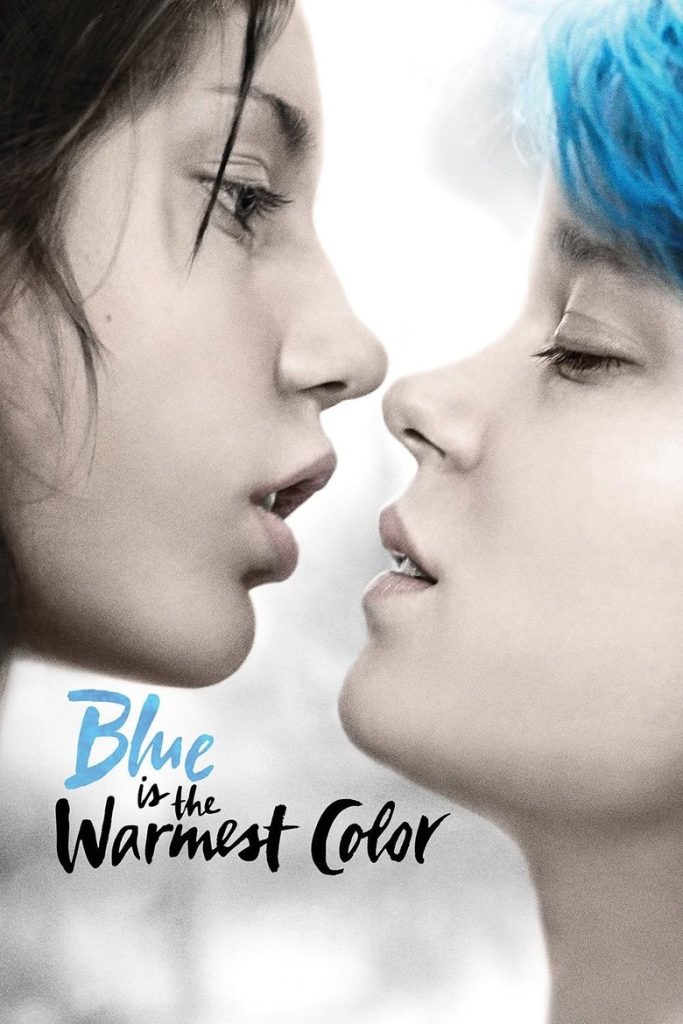
Blue Is the Warmest Color is a 2013 French romantic drama that follows the intense relationship between two young women. The film explores themes of self-discovery, first love, and emotional intimacy as the characters navigate their connection. It portrays the complexities of young adulthood and the transformative power of relationships.
Parent Guide
NC-17 rated film with explicit sexual content and mature themes. Recommended for adults only.
Content breakdown
Some emotional conflicts and arguments between characters, but no physical violence.
Emotional intensity and relationship conflicts may be disturbing to some viewers.
Some strong language and sexual dialogue throughout the film.
Explicit, prolonged sex scenes and full nudity. Integral to the story but graphic.
Social drinking in some scenes, but not a central focus.
High emotional intensity throughout, dealing with love, heartbreak, and self-discovery.
Parent tips
This film is rated NC-17 primarily for explicit sexual content and nudity. Parents should be aware that it contains prolonged, graphic sex scenes that are integral to the story. The movie also deals with mature themes including sexual identity, emotional intensity, and relationship dynamics that may be inappropriate for younger viewers.
Due to the NC-17 rating, this film is intended for adult audiences only. The sexual content is not brief or implied but rather explicit and extended. Parents should consider whether their older teenagers are emotionally mature enough to handle the film's intense romantic and sexual content.
Parent chat guide
Consider discussing consent and mutual respect in relationships, using the film as a starting point for broader conversations about intimacy. Emphasize that while the film shows one particular relationship, every relationship is unique and should be built on trust and communication.
Parent follow-up questions
- What colors did you see in the movie?
- Did you see any friends in the movie?
- What was your favorite part?
- Did the people in the movie seem happy or sad?
- What would you tell the characters if you met them?
- What did you think about how the characters treated each other?
- How did the characters show they cared about each other?
- What made the characters happy or sad?
- What would you do if you were in a similar friendship?
- What did you learn about feelings from this movie?
- How did the characters communicate their feelings to each other?
- What challenges did the main characters face in their relationship?
- How did the characters grow or change throughout the story?
- What did you think about how the characters handled disagreements?
- What makes a relationship healthy or unhealthy in your opinion?
- How does this film portray the development of a romantic relationship?
- What themes about identity and self-discovery did you notice?
- How did the film handle the emotional intensity of first love?
- What did you think about the way intimacy was portrayed in the film?
- How might this film's portrayal of relationships compare to real-life experiences?
🎭 Story Kernel
The film is less about lesbian identity than about the fundamental human struggle to reconcile desire with self. Adèle's journey isn't a coming-out story but a coming-into-being story, where love acts as both catalyst and crucible. Her hunger—literal and metaphorical—drives her: a craving for Emma's blue world of art and intellect, for physical connection, for a self she can recognize. Emma, in turn, is driven by the artist's need to possess and transform her subject. Their tragedy lies in the asymmetry: Adèle seeks fusion, while Emma seeks inspiration. The film's real subject is the education of a soul through pleasure and loss, asking whether we ever truly possess another person or merely the version of them we've constructed.
🎬 Visual Aesthetics
Director Abdellatif Kechiche employs an unflinching, invasive close-up aesthetic, with the camera often resting on Adèle's face as a landscape of emotion. The color palette is deliberate: warm, earthy tones of Adèle's world (browns, yellows, the green of her classroom) clash with and are seduced by the cool blues of Emma's domain—her hair, her artwork, her apartment. The infamous sex scenes are shot with a raw, unglamorous physicality that emphasizes labor and breath over eroticism, making them feel less like titillation and more like emotional archaeology. The camera lingers on mundane acts—eating, teaching, walking—elevating them to moments of profound existential weight.
🔍 Details & Easter Eggs
💡 Behind the Scenes
The film's production was notoriously grueling. Lead actresses Léa Seydoux and Adèle Exarchopoulos reported difficult conditions during the 10-month shoot, with Kechiche demanding dozens of takes for emotionally draining scenes. The infamous seven-minute sex scene took over 10 days to film. Despite winning the Palme d'Or at Cannes, the film was mired in controversy. The director and actresses publicly feuded, and the graphic scenes led to accusations of exploitative, male-gazey filmmaking from some critics. Interestingly, the original graphic novel's author, Julie Maroh, criticized the film's sex scenes as 'ridiculous' and alien to a lesbian perspective.
Where to watch
Choose region:
- Netflix
- Hulu
- AMC Plus Apple TV Channel
- AMC+
- Philo
- The Roku Channel
- Tubi TV
- Apple TV
- Fandango At Home
Trailer
Trailer playback is unavailable in your region.