
Blue Jay (2016)
Story overview
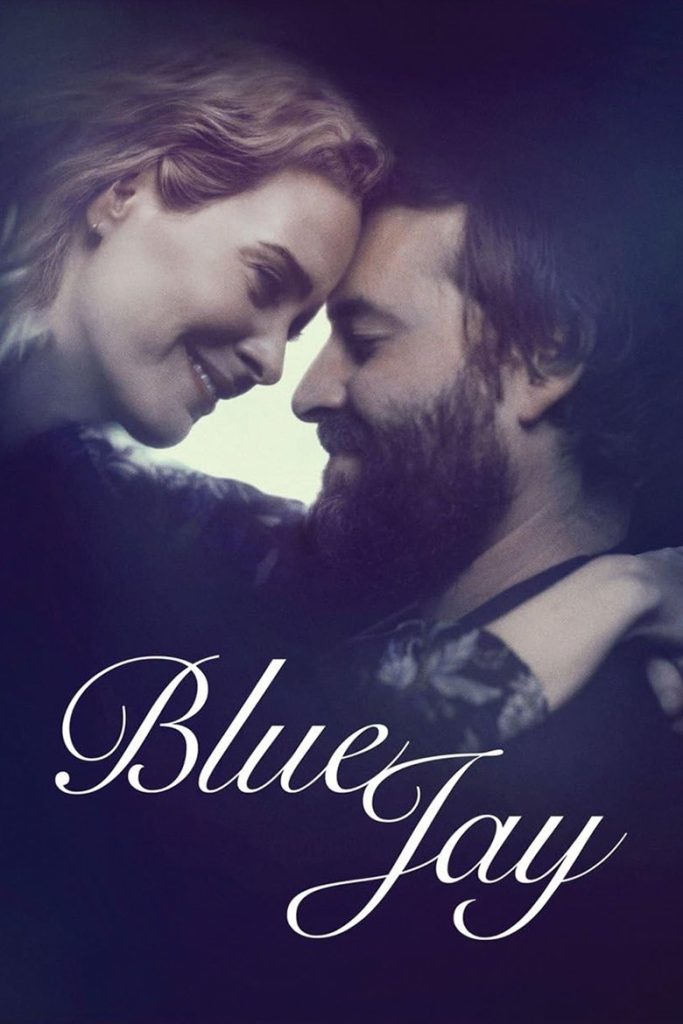
Blue Jay is a 2016 drama and romance film about two former high school sweethearts who unexpectedly reunite in their hometown after many years apart. As they spend a day together reminiscing, they confront unresolved feelings and reflect on the choices that shaped their lives. The movie explores themes of nostalgia, regret, and the passage of time through intimate conversations and quiet moments.
Parent Guide
A quiet, character-driven drama about adult reflection and reconnection, suitable for mature viewers who appreciate thoughtful storytelling.
Content breakdown
No violence, action sequences, or physical peril present.
No frightening imagery, jump scares, or disturbing content.
May contain occasional mild language typical of adult conversations in drama films.
May contain mild romantic elements or discussions typical of relationship-focused dramas.
May include social drinking in adult contexts, typical of drama films.
Contains emotional conversations about life choices, regret, and relationships that may be intense for sensitive viewers.
Parent tips
This film focuses entirely on the emotional journey of two adults reconnecting, with no action, violence, or special effects. It's a character-driven story that may feel slow or introspective for younger viewers. Parents should be aware that the movie deals with mature themes like lost opportunities and personal reflection, which might not hold the attention of children under 8.
The film's unrated status means there's no official content guidance, but based on typical drama/romance conventions, parents can expect emotional intensity and adult conversations about life choices. The movie's value lies in its exploration of human relationships and personal growth, making it potentially meaningful for mature pre-teens and teenagers who can appreciate character-driven stories.
Parent chat guide
For older children, this movie can spark conversations about life choices, relationships, and how we remember our past. The quiet, reflective nature of the film might lead to discussions about different storytelling styles and what makes a movie engaging without action or special effects.
Parent follow-up questions
- What did you notice about how the two people talked to each other?
- How did the movie make you feel?
- What colors or places did you see in the movie?
- What was your favorite part of watching this story?
- What do you think the characters were remembering?
- Why do you think the characters decided to spend time together?
- How did the characters show they cared about each other?
- What do you think the characters learned about themselves?
- How was this movie different from other movies you've seen?
- What would you talk about if you met an old friend?
- How do you think time apart changed the characters' relationship?
- What themes about growing up did you notice in the movie?
- How did the movie show that people can have mixed feelings about the past?
- What makes a conversation meaningful between two people?
- How might the characters' lives have been different if they had made other choices?
- How does the film explore the concept of nostalgia and its effects on people?
- What does the movie suggest about how we construct our memories of past relationships?
- How do the characters demonstrate emotional maturity in their interactions?
- What commentary does the film make about life paths and alternative possibilities?
- How does the minimalist storytelling style contribute to the film's emotional impact?
🎭 Story Kernel
Blue Jay explores the haunting persistence of first love and the alternate lives that linger in our memories. The film isn't about whether Jim and Amanda should rekindle their romance, but about how our youthful selves continue to shape our adult identities. Their chance reunion becomes an excavation of what might have been, revealing how some connections never truly sever, only transform. The characters are driven by a shared history of trauma—Amanda's abortion and their subsequent breakup—that created a permanent emotional bond. Their present-day interactions are less about romance than about finding closure for a wound that never properly healed, demonstrating how some relationships become frozen in time, forever defining us.
🎬 Visual Aesthetics
The black-and-white cinematography serves as both aesthetic choice and thematic device, stripping away the distraction of color to focus on emotional textures and the characters' interior lives. Director Alex Lehmann employs intimate close-ups and natural lighting that create a documentary-like authenticity, making the characters' vulnerabilities palpable. The 4:3 aspect ratio boxes them in, visually representing their trapped emotional state. The camera lingers on mundane details—a grocery store aisle, a kitchen counter—elevating ordinary spaces into emotional landscapes. The visual restraint mirrors the characters' emotional containment, with the monochrome palette suggesting how memory often simplifies the past into stark contrasts of what was and what might have been.
🔍 Details & Easter Eggs
💡 Behind the Scenes
Mark Duplass and Sarah Paulson, who play Jim and Amanda, are close friends in real life, which contributed to their natural chemistry. The film was shot in just seven days in Crestline, California, using mostly natural light to maintain authenticity. Much of the dialogue was improvised within structured scenarios, particularly the emotionally raw scenes in the childhood bedroom. Director Alex Lehmann originally planned to shoot in color but switched to black-and-white during pre-production to better capture the film's nostalgic, memory-focused tone. The entire project was developed through the Duplass brothers' signature micro-budget approach, emphasizing emotional truth over production scale.
Where to watch
Choose region:
- Netflix
- Netflix Standard with Ads
- Apple TV
- Google Play Movies
- YouTube
- Fandango At Home
- Amazon Video
Trailer
Trailer playback is unavailable in your region.