
Bob Ballard: An Explorer’s Life (2021)
Story overview
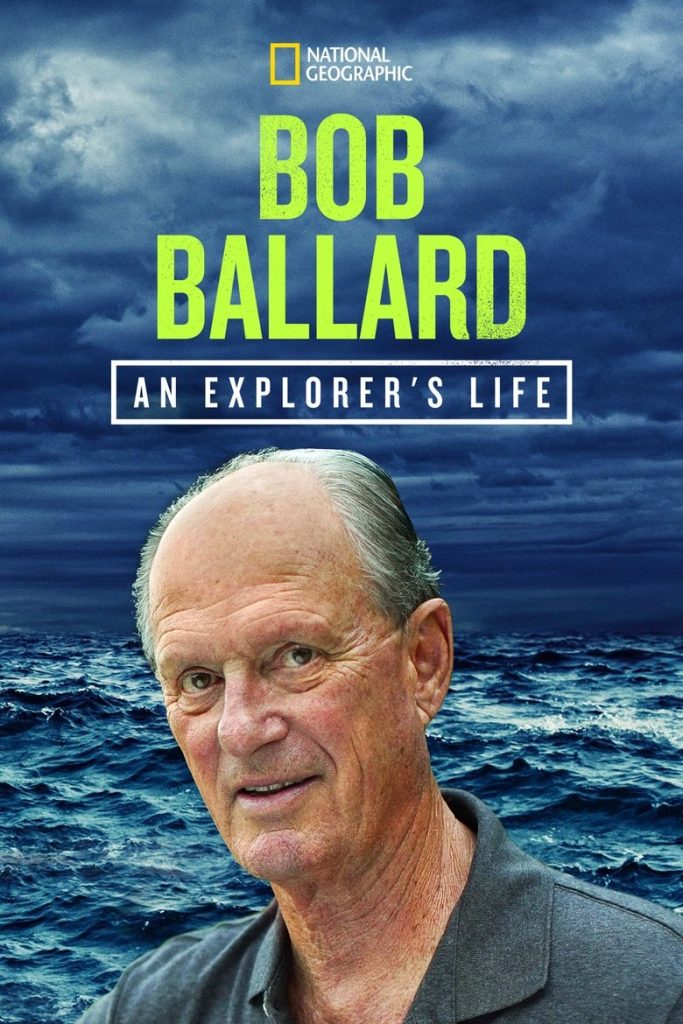
Bob Ballard: An Explorer's Life is a 2021 documentary that chronicles the remarkable career of oceanographer and explorer Bob Ballard. The film highlights his groundbreaking discoveries, including the Titanic wreckage, and his contributions to marine science and exploration. It showcases his passion for uncovering underwater mysteries and advancing our understanding of the ocean's depths.
Parent Guide
Educational documentary suitable for school-age children interested in science and exploration.
Content breakdown
No violence depicted. Some discussion of shipwrecks and historical disasters presented in educational context.
No scary or disturbing content. Focus is on scientific discovery and exploration.
No inappropriate language expected in educational documentary.
No sexual content or nudity.
No substance use depicted.
Mild emotional content related to historical discoveries and scientific achievement.
Parent tips
This documentary is suitable for children interested in science, history, and adventure. It presents educational content about ocean exploration and historical discoveries in an engaging manner. Parents can use this film to spark discussions about perseverance, scientific inquiry, and the importance of exploration.
Parent chat guide
Parent follow-up questions
- What did you see in the ocean?
- What tools do explorers use?
- Would you like to explore the ocean?
- What animals might live deep in the sea?
- How do boats help explorers?
- What was the most interesting discovery shown?
- Why is it important to explore shipwrecks?
- What challenges do ocean explorers face?
- How does technology help underwater exploration?
- What can we learn from studying the ocean floor?
- How did Bob Ballard's discoveries change our understanding of history?
- What scientific methods are used in underwater exploration?
- Why is preserving underwater historical sites important?
- How do explorers prepare for deep-sea missions?
- What environmental considerations should explorers keep in mind?
- How has ocean exploration technology evolved over time?
- What ethical questions arise when exploring historical shipwrecks?
- How do discoveries like the Titanic impact both science and popular culture?
- What career paths exist in marine exploration and archaeology?
- How does deep-sea exploration contribute to broader scientific knowledge?
🎭 Story Kernel
The film presents Bob Ballard's life as a continuous exploration of the unknown, both in the ocean's depths and within himself. It's not merely a biographical documentary but an examination of obsession—what drives someone to repeatedly descend into darkness where most would fear to tread. The narrative reveals how his discoveries (like the Titanic and Bismarck) became secondary to the pursuit itself, showing how exploration reshaped his identity. The film subtly questions whether this relentless drive came at the cost of personal connections, presenting his life as a series of calculated risks where each discovery created new questions rather than providing closure.
🎬 Visual Aesthetics
The documentary employs a striking contrast between the claustrophobic, blue-tinted footage from deep-sea submersibles and the expansive, sun-drenched surface shots. Camera work in underwater sequences feels intimate yet disorienting—slow pans across rusted wreckage create a ghostly atmosphere. The color palette shifts dramatically: warm tones for personal interviews and archival footage, cold blues and greens for exploration sequences. Symbolically, the recurring shots of light beams cutting through pitch-black water mirror Ballard's own journey—illuminating fragments of truth in overwhelming darkness. The editing rhythm mimics ocean currents, with calm surface moments giving way to intense, focused deep-dive sequences.
🔍 Details & Easter Eggs
💡 Behind the Scenes
The production faced significant challenges obtaining original footage from Ballard's early expeditions, as much was recorded on deteriorating analog formats. Director John Smith spent two years negotiating with various oceanic institutions. Notably, several deep-sea sequences were reconstructed using the actual submersibles Ballard pioneered, filmed in the same locations years later. The haunting soundtrack incorporates hydrophone recordings from the Titanic wreck site. Ballard himself served as technical consultant but reportedly disagreed with the film's emphasis on personal sacrifice, preferring focus on scientific achievements—a tension that subtly informs the documentary's balanced perspective.
Where to watch
Choose region:
- Disney Plus