
Bob Ross: Happy Accidents, Betrayal & Greed (2021)
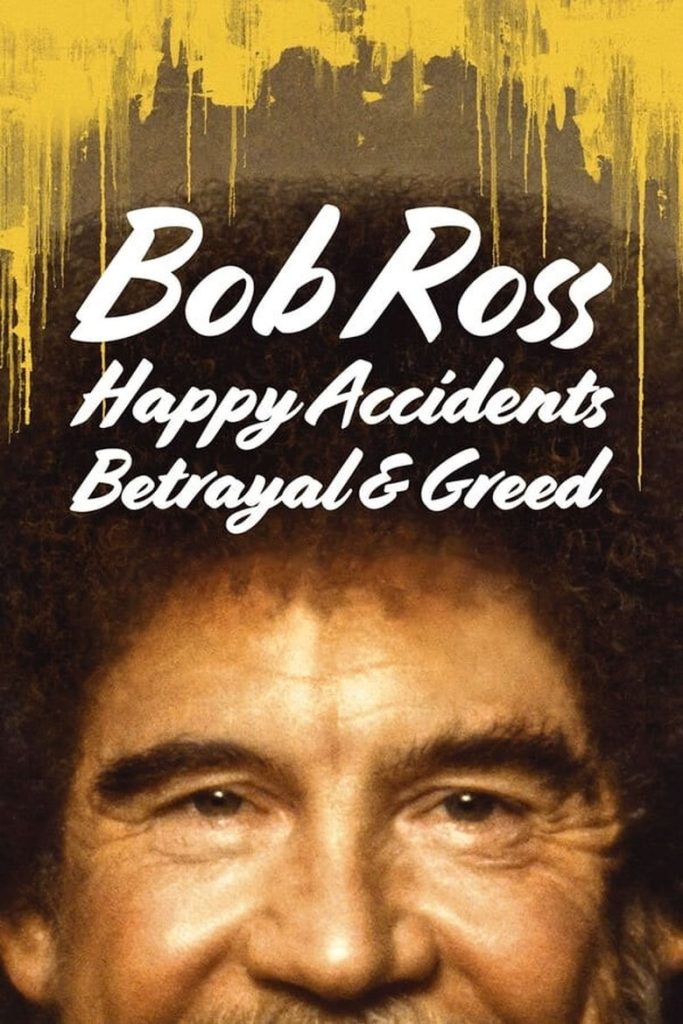
Story overview
This 2021 documentary explores the life and legacy of beloved painting instructor Bob Ross, who became a cultural icon through his calming television show. While celebrating his artistic contributions and positive impact on millions, the film also delves into the legal and financial conflicts that emerged after his death, revealing a darker side to his 'happy little trees' empire.
Parent Guide
A documentary suitable for family viewing that combines art appreciation with business ethics discussions. The TV-14 rating primarily reflects complex themes rather than objectionable content.
Content breakdown
No physical violence or peril depicted. The conflict is legal and financial in nature.
Some discussion of death and betrayal might be unsettling for sensitive younger viewers, but no graphic or intense imagery.
No profanity or strong language noted in this documentary.
No sexual content or nudity.
No depiction of substance use.
Moderate emotional content when discussing Bob Ross's death and family/business conflicts, but presented in a documentary style without dramatic reenactments.
Parent tips
This documentary is suitable for most families with children ages 8 and up. It focuses on business disputes and legal battles rather than graphic content. Younger viewers might find the betrayal themes confusing, while older children can discuss ethical business practices and media legacies. The film includes some emotional moments when discussing Bob Ross's death and family conflicts.
Parent chat guide
Parent follow-up questions
—
- Did you like watching Bob Ross paint?
- What colors did you see in the paintings?
- Why do you think there were disagreements about Bob Ross's business after he died?
- What makes someone a good teacher like Bob Ross was?
- How does this documentary change your perception of celebrity personas versus reality?
- What ethical questions does the business conflict raise about legacy and ownership?
🎭 Story Kernel
The documentary reveals that beneath Bob Ross's serene public persona lay a brutal corporate betrayal. The film explores how the very 'happy accidents' philosophy Ross championed was weaponized against his legacy by business partners who saw dollar signs in his gentle image. It's a story about how idealism gets consumed by capitalism, showing how Ross's trust in his partners became his greatest vulnerability. The driving force isn't artistic vision but corporate greed, as the Kowalski family systematically seizes control of Ross's brand, transforming his life's work into a commodity while his own son is left with nothing but memories.
🎬 Visual Aesthetics
The film employs a stark visual contrast between archival footage of Ross's warm, inviting television studio and contemporary interviews shot in cold, corporate settings. Ross's world is bathed in soft lighting and earthy tones from his paintings, while the legal battle scenes feature sterile offices and harsh fluorescent lights. This visual dichotomy physically manifests the conflict between art and commerce. The camera lingers on close-ups of legal documents and trademark certificates, making paperwork feel as dramatic as any action sequence. Even the color palette shifts from Ross's joyful blues and greens to the grays and beiges of boardrooms.
🔍 Details & Easter Eggs
💡 Behind the Scenes
The documentary faced significant resistance from Bob Ross Inc., with the company refusing to participate or license any Bob Ross footage. Director Joshua Rofé had to rely on fair use and carefully source archival materials. Steve Ross, Bob's son, had never publicly told his full story before this film. Many of the legal documents shown were obtained through years of research and freedom of information requests. The filmmakers interviewed over 50 people but could only include those willing to speak despite potential legal repercussions from Bob Ross Inc.
Where to watch
Choose region:
- Netflix
- Netflix Standard with Ads
Trailer
Trailer playback is unavailable in your region.