
Bolehkah Sekali Saja Kumenangis (2024)
Story overview
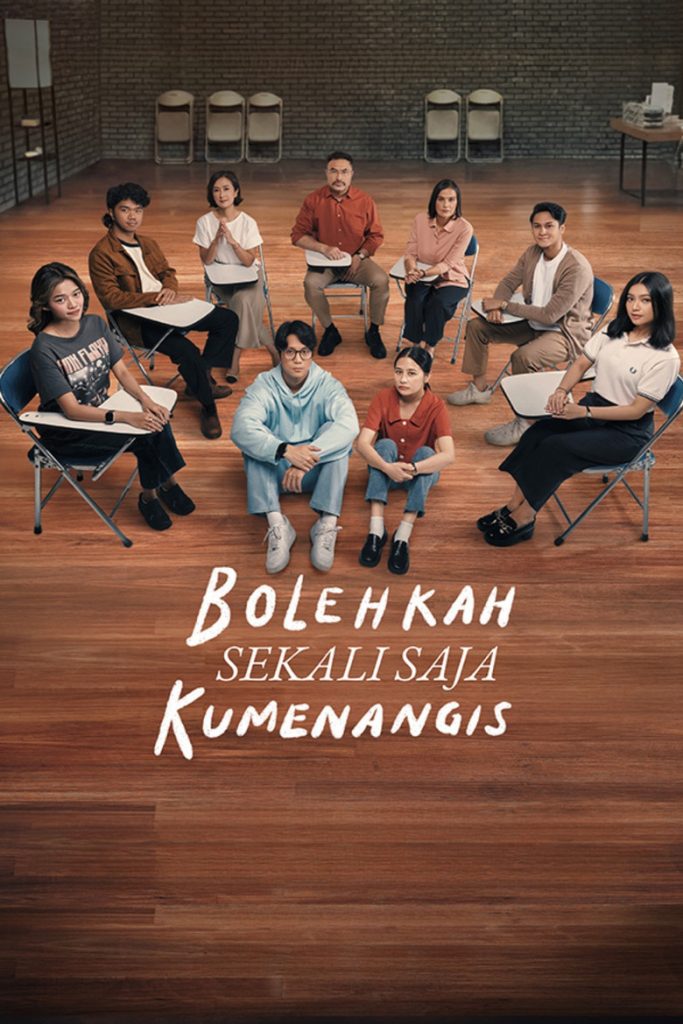
Bolehkah Sekali Saja Kumenangis (2024) is an Indonesian drama directed by Reka Wijaya, starring Prilly Latuconsina, Pradikta Wicaksono, Surya Saputra, Dominique Sanda, and Widi Mulia. The film follows Tari, a young woman who, after her sister leaves home, struggles to protect her mother from her father's abuse. In her journey, Tari joins a support group where she forms a deep, lifelong friendship that helps her navigate these challenging family dynamics.
Parent Guide
This drama contains mature themes of domestic abuse and emotional trauma that require parental guidance. While not graphically violent, the emotional intensity and serious subject matter make it most appropriate for teenagers with parental discussion.
Content breakdown
Contains implied domestic abuse and emotional violence rather than physical violence. There are tense family confrontations and references to abusive behavior, but no graphic depictions of physical harm.
Themes of domestic abuse, family conflict, and emotional trauma may be disturbing, especially for sensitive viewers. Scenes of family tension and emotional distress could be upsetting to children.
May contain some emotional dialogue and tense exchanges, but no strong profanity or offensive language based on the dramatic nature of the film.
No sexual content or nudity present. The film focuses on family relationships and emotional struggles.
No depiction of substance use or abuse in the film.
High emotional intensity throughout with themes of abuse, family conflict, trauma, and healing. Characters experience significant emotional distress and the film deals with serious psychological themes.
Parent tips
This film deals with mature themes including domestic abuse, family conflict, and emotional trauma. It portrays realistic and potentially distressing situations that may be difficult for younger viewers. The story focuses on resilience, support systems, and personal growth, but parents should be prepared to discuss these serious topics with their children. The film has no graphic violence, but emotional intensity is high throughout.
Parent chat guide
Parent follow-up questions
- How did Tari help her mom?
- What makes someone a good friend like in the movie?
- Why was it important for Tari to join the support group?
- How did Tari show bravery in the story?
- What are healthy ways to deal with family problems like Tari faced?
- Why is it important to talk to trusted adults when someone is being hurt?
- How does the film portray the cycle of abuse and breaking free from it?
- What role does community support play in healing from trauma?
🎭 Story Kernel
The film explores the suffocating reality of domestic abuse and the generational trauma it breeds. Tari, the protagonist, navigates a household where her father’s volatility forces her to become the emotional anchor for her mother. The narrative isn't just about the violence itself, but the psychological toll of keeping it together for the sake of family appearance. By joining a support group, Tari learns that vulnerability is not a weakness but a necessary step toward healing. The movie effectively deconstructs the Indonesian cultural pressure to endure suffering in silence, emphasizing that the strength to cry is just as vital as the strength to survive. It serves as a poignant reminder that a house is merely a structure, while a home requires safety and emotional honesty to truly exist.
🎬 Visual Aesthetics
Reka Wijaya utilizes a distinct contrast in color palettes and framing to illustrate Tari’s dual life. The scenes within the family home are often characterized by cramped framing and muted, oppressive tones, mirroring the claustrophobia of living under a patriarch’s unpredictable temper. In contrast, the support group sessions are filmed with more naturalistic lighting and wider shots, providing a visual breath that signifies a safe harbor. The cinematography captures the minute tremors in Prilly Latuconsina’s expressions, often using close-ups to emphasize the internal pressure before her eventual emotional release. Symbolism is found in the recurring motif of water and tears, transitioning from something suppressed and painful to a cleansing force that allows the characters to finally acknowledge their shared, broken reality.
🔍 Details & Easter Eggs
💡 Behind the Scenes
The film is produced by Sinemaku Pictures, with Prilly Latuconsina serving as both the lead actress and a producer. It is inspired by the hit song 'Runtuh' by Feby Putri and Fiersa Besari, which became a viral anthem for emotional vulnerability in Indonesia. Director Reka Wijaya worked closely with mental health consultants to ensure the portrayal of domestic abuse and its psychological aftermath was handled with sensitivity and realism. This project marks another collaboration between Prilly and Dikta Wicaksono, who previously displayed strong chemistry in other digital series, further drawing audiences to this heavy drama.
Where to watch
Choose region:
- Netflix
- Netflix Standard with Ads
Trailer
Trailer playback is unavailable in your region.