
Born Wild: The Next Generation (2020)
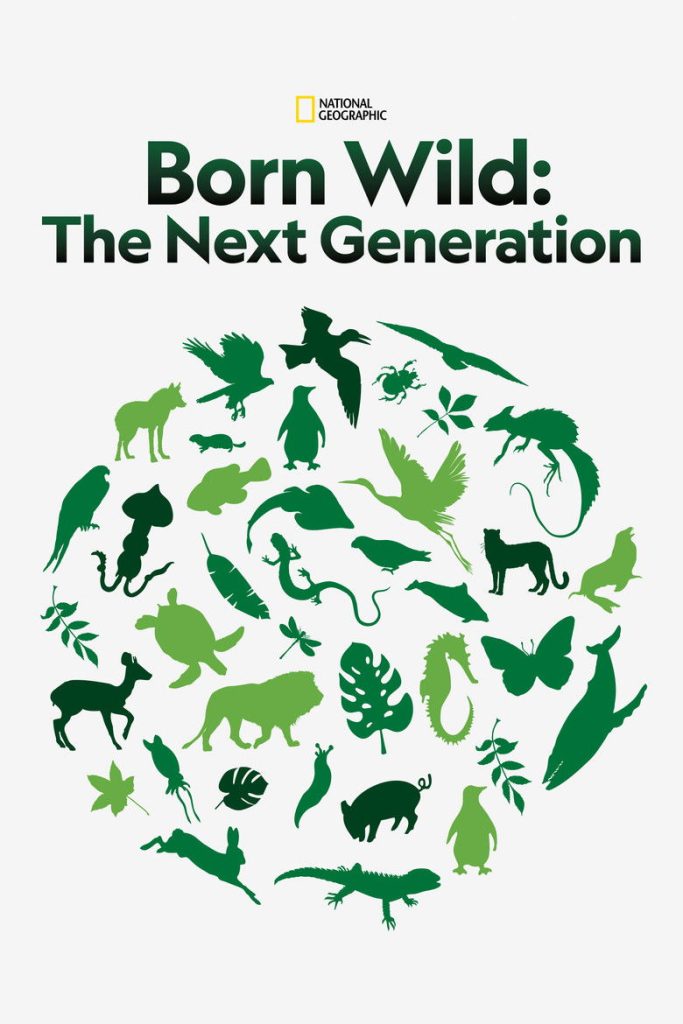
Story overview
A National Geographic documentary celebrating Earth Day's 50th anniversary, hosted by Robin Roberts. This one-hour special showcases baby animals in diverse global ecosystems, highlighting environmental challenges while offering hopeful stories. Filmed across six countries, it features stunning visuals of wildlife and habitats, emphasizing conservation and the planet's beauty.
Parent Guide
A gentle, educational documentary suitable for all ages, with no concerning content. Focuses on nature appreciation and environmental awareness.
Content breakdown
No violence or peril depicted. Shows animals in natural settings without predatory scenes or danger.
No scary or disturbing content. Visuals are beautiful and uplifting, though brief mentions of environmental threats are non-graphic.
No offensive or inappropriate language. Narration is educational and respectful.
No sexual content or nudity. Animals are shown naturally without explicit focus.
No substance use or references.
Emotionally positive and hopeful, with mild moments when discussing habitat challenges. Likely to inspire wonder rather than distress.
Parent tips
This documentary is educational and family-friendly, focusing on nature and conservation. It may briefly mention environmental threats but maintains a positive tone. Suitable for most ages, though younger children might need explanations about habitat challenges. Encourages appreciation for wildlife and environmental awareness.
Parent chat guide
Parent follow-up questions
- What was your favorite baby animal?
- What colors did you see in nature?
- Can you make an animal sound from the show?
- Why do animals need clean habitats?
- How do parents care for baby animals?
- What can we do to help animals in our area?
- How might climate change affect these ecosystems?
- What conservation methods were shown?
- Why is biodiversity important for the planet?
- Discuss the balance between human activity and wildlife preservation.
- How do documentaries influence public perception of environmental issues?
- What global policies could support the habitats shown?
🎭 Story Kernel
The film's core expression is a hollow echo of its predecessor's themes, revealing a profound anxiety about legacy and authenticity in a franchise-driven industry. Characters are driven not by internal desires or ecological imperatives, but by the mechanical need to service a pre-existing IP. The plot functions as a checklist of callbacks—the rebellious young animal, the human encroachment, the climactic reunion—but lacks the original's genuine emotional stakes. It ultimately asks what happens when a story about returning to the wild is itself a product of a domesticated, formulaic studio system, resulting in a narrative that feels paradoxically captive despite its subject matter.
🎬 Visual Aesthetics
The visual language is a significant downgrade, trading the first film's textured, documentary-style grit for a sanitized, digital sheen. The color palette is aggressively saturated, making the African landscapes look like a theme park backdrop rather than a living ecosystem. Action sequences rely heavily on weightless CGI, robbing the animals of physical presence and heft. Symbolism is blunt and on-the-nose; for instance, a chain-link fence separating a captive animal from the wild is framed with such obvious symmetry it feels like a stock image, lacking the subtle, integrated visual metaphors that made the original's cinematography compelling.
🔍 Details & Easter Eggs
💡 Behind the Scenes
The film was shot primarily in South Africa, but extensive soundstage work in Budapest was required for the more complex CGI animal sequences, leading to a disjointed sense of place. Several key animal 'actors' were digital recreations of animals from the first film, whose real-life counterparts had since passed away, adding a layer of unintended meta-commentary on replication versus originality. The director, new to the franchise, publicly cited scheduling conflicts as the reason original cast members did not return, though industry reports suggested creative differences over the script's reliance on nostalgia.
Where to watch
Choose region:
- Disney Plus