
Boruto: Naruto the Movie (2015)
Story overview
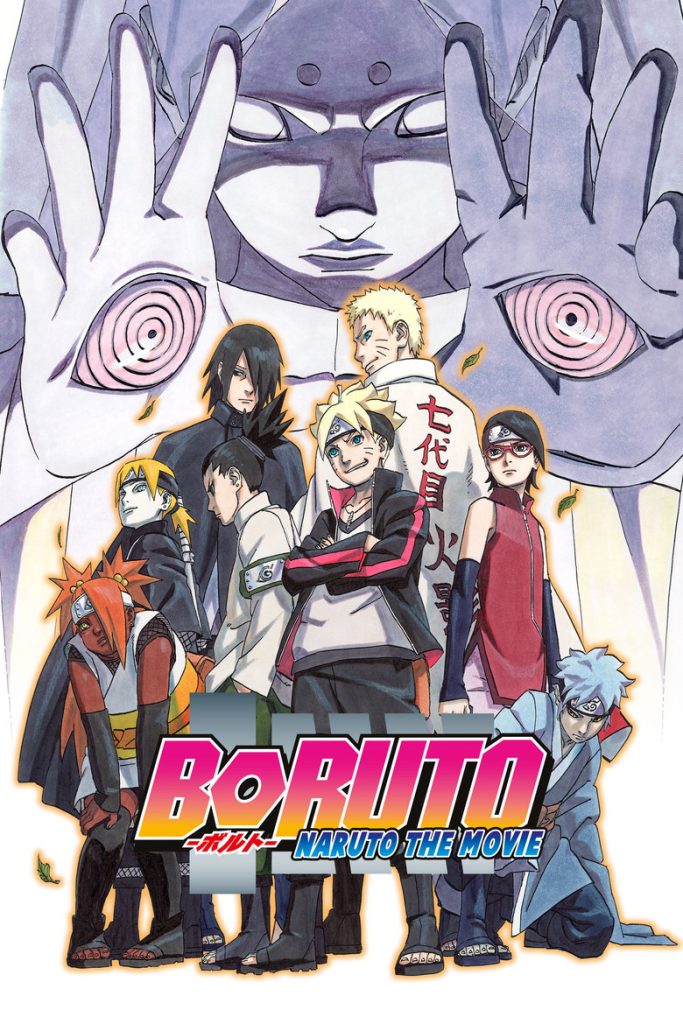
Boruto: Naruto the Movie follows the adventures of Boruto Uzumaki, the energetic son of the village leader Naruto. The story explores Boruto's journey as he struggles with his father's busy schedule and seeks guidance from Naruto's friend Sasuke. This animated film blends action-packed ninja battles with themes of family, mentorship, and growing up in a fantasy world.
Parent Guide
Animated action adventure with fantasy violence and family themes suitable for most children ages 8 and up.
Content breakdown
Fantasy ninja battles with energy attacks, physical combat, and perilous situations. No graphic injuries shown.
Some intense battle scenes and emotional moments about family separation might concern sensitive viewers.
No offensive language noted in the English version.
No sexual content or nudity.
No substance use depicted.
Themes of parent-child relationships, family expectations, and growing up create emotional moments throughout.
Parent tips
This PG-rated animated film contains fantasy action violence typical of the Naruto series, including ninja battles with energy attacks and physical combat. The emotional themes focus on parent-child relationships and the challenges of growing up with an absent parent. The film is appropriate for most children who enjoy action-adventure animation, but younger or more sensitive viewers might find some intense battle scenes overwhelming.
Parent chat guide
Parent follow-up questions
- Which character did you like the most?
- What was your favorite part of the movie?
- Did you see any characters being good friends?
- How did the characters help each other?
- What colors did you see in the movie?
- How did Boruto feel about his father being busy?
- What did you think about the way characters solved problems?
- What makes someone a good friend in the movie?
- How did characters show they cared about each other?
- What would you do if you were in Boruto's situation?
- What challenges did Boruto face in the story?
- How did characters balance their responsibilities with personal relationships?
- What did you think about the mentorship relationships in the film?
- How did characters grow or change during the movie?
- What messages about family did you notice in the story?
- How does the film explore themes of legacy and following in a parent's footsteps?
- What did you think about the portrayal of parent-child relationships?
- How did the film balance action sequences with character development?
- What insights did you gain about mentorship from watching this?
- How does this story connect to broader themes of growing up and finding your own path?
🎭 Story Kernel
At its core, 'Boruto: Naruto the Movie' is about the burden of inherited legacy and the struggle for individual identity within a predetermined narrative. Boruto's rebellion against his father isn't mere teenage angst—it's a desperate attempt to carve out a self-worth not defined by Naruto's shadow. The film cleverly uses the Otsutsuki threat as a mirror: Momoshiki represents the ultimate 'inheritor' of power, a cautionary tale of what Boruto could become if he only values strength. The emotional climax isn't defeating the alien, but Boruto finally understanding that Naruto's absence stems from a different kind of sacrifice—carrying the weight of the entire village so his son wouldn't have to. It's a poignant exploration of how parental love can manifest as unintentional neglect, and how recognition must sometimes be earned through shared struggle rather than given.
🎬 Visual Aesthetics
The film's visual language masterfully contrasts generations. The classic Naruto palette of earthy tones and vibrant oranges gives way to Boruto's cooler blues and whites, visually marking the new era. Action sequences are a highlight: they blend the original series' tactical, hand-to-hand combat with spectacular, large-scale chakra effects, symbolizing the evolution of ninja warfare. Pay attention to the camera work during the Chunin Exams—it often frames Boruto from low angles when he's cheating, making him appear dominant but hollow, while Naruto is frequently shot from a distance or behind barriers, visually reinforcing his emotional and physical unavailability. The final battle against Momoshiki uses stark, celestial backgrounds and explosive color contrasts (especially the brilliant gold of Naruto and Sasuke's combined attacks) to elevate the conflict to mythic proportions.
🔍 Details & Easter Eggs
💡 Behind the Scenes
This film was a major milestone, marking the first time Masashi Kishimoto was directly involved in a Boruto-era story as the screenplay writer, ensuring a authentic bridge between generations. The English dub features Maile Flanagan and Amanda C. Miller reprising their iconic roles as Naruto and Boruto, creating unique vocal continuity. A significant production challenge was designing Momoshiki's ethereal, otherworldly visual effects to feel distinctly alien yet cohesive within the established chakra-based magic system, requiring new animation techniques. The movie's success directly greenlit the subsequent 'Boruto: Naruto Next Generations' anime series.
Where to watch
Choose region:
- Netflix
- Netflix Standard with Ads
- Apple TV
- Fandango At Home
- Amazon Video
- Google Play Movies
- YouTube
Trailer
Trailer playback is unavailable in your region.