
Bosco (2024)
Story overview
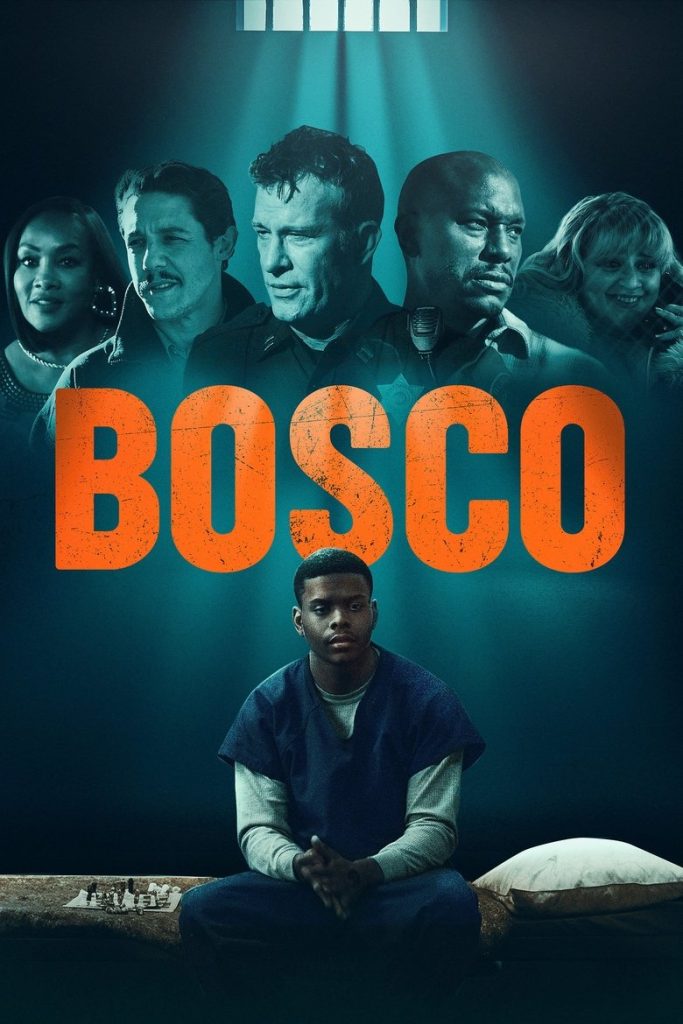
Bosco is a 2024 drama-thriller based on the true story of Quawntay 'Bosco' Adams, who was sentenced to 35 years in prison for attempted possession of marijuana. The film follows his incredible escape from a maximum-security federal prison while in solitary confinement, aided by an older woman he connected with through a lonely-hearts advertisement. This gripping narrative explores themes of injustice, resilience, and the human spirit's determination against overwhelming odds.
Parent Guide
Bosco is a tense, fact-based drama that deals with mature themes including the criminal justice system, drug offenses, and prison escape. It's most appropriate for older teens due to its intense emotional content and realistic portrayal of incarceration.
Content breakdown
Contains scenes of prison tension, implied threats from guards and inmates, and perilous situations during the escape. While not graphically violent, there's a constant sense of danger and confinement that could be unsettling.
The psychological tension of solitary confinement and the high-stakes escape create a consistently anxious atmosphere. Themes of injustice and prolonged imprisonment may be emotionally heavy for younger viewers.
Includes some strong language typical of prison settings, including occasional profanity and aggressive dialogue between characters.
Brief romantic elements in the correspondence relationship, but no explicit sexual content or nudity shown.
Central to the plot as Bosco's conviction is for attempted marijuana possession. There are discussions about drug use and dealing, though actual substance use is not prominently depicted.
High emotional stakes throughout, focusing on themes of injustice, hope, desperation, and the psychological toll of incarceration. The true-story aspect adds to the emotional weight.
Parent tips
This film contains intense prison scenes, discussions of drug-related crimes, and themes of incarceration and escape. It's best suited for mature teens who can handle realistic depictions of the criminal justice system and emotional tension. Parents should be prepared to discuss the legal and social issues presented, including the severity of marijuana sentencing and the psychological impact of solitary confinement.
Parent chat guide
Parent follow-up questions
—
—
—
- What aspects of the prison system shown in the film surprised you most?
- How did Bosco's relationship with the woman from the ad help him emotionally and practically?
- Do you think the film presented a balanced view of the legal system? Why or why not?
- What does this story teach us about resilience in difficult circumstances?
🎭 Story Kernel
Bosco transcends the typical prison-break genre by anchoring its narrative in the visceral, desperate need for paternal connection. Based on the true story of Quawntay Adams, the film explores the paradox of a man labeled a career criminal who possesses the intellectual brilliance to outmaneuver a maximum-security system. It is less about the mechanics of the escape and more about the reclamation of identity within a system designed to erase it. The film interrogates the concept of freedom, suggesting that physical walls are secondary to the mental prisons of one's past. By focusing on the birth of his daughter as the primary motivator, the story shifts from a tale of evasion to a journey of accountability and the profound human instinct to witness one's own legacy, regardless of the legal consequences.
🎬 Visual Aesthetics
Director Nicholas Manuel Pino employs a stark, high-contrast visual language that emphasizes the suffocating isolation of solitary confinement. The prison interiors are often bathed in sickly fluorescent greens and oppressive grays, creating a sensory experience of stagnation. This is sharply contrasted with the warmer, more saturated tones of the outside world and Bosco’s internal visions of his daughter. The camera work often stays uncomfortably close to Aubrey Joseph’s face, capturing the minute shifts in his psychological state as he calculates his next move. Symbolism is found in the recurring imagery of light filtering through small apertures, representing the narrow window of opportunity Bosco seeks. The visual rhythm mirrors the protagonist's patience, alternating between static, tense waiting and the frantic, kinetic energy of the escape itself.
🔍 Details & Easter Eggs
💡 Behind the Scenes
The film is an adaptation of Quawntay Bosco Adams' own memoir, titled Chasin' Freedum. In a rare move for biographical films, the real-life Quawntay Adams was heavily involved in the production, serving as a producer to ensure the authenticity of his experience and the ingenuity of his escape. Actor Aubrey Joseph underwent significant physical and mental preparation to portray the toll of solitary confinement. The production also features notable veteran actors like Tyrese Gibson and Vivica A. Fox, adding gravity to the supporting cast that populates Bosco's life both inside and outside the prison walls.
Where to watch
Choose region:
- Peacock Premium
- Peacock Premium Plus
- Amazon Video
- Apple TV Store
- Google Play Movies
- YouTube
- Fandango At Home
- Spectrum On Demand
Trailer
Trailer playback is unavailable in your region.