
Boycott (2001)
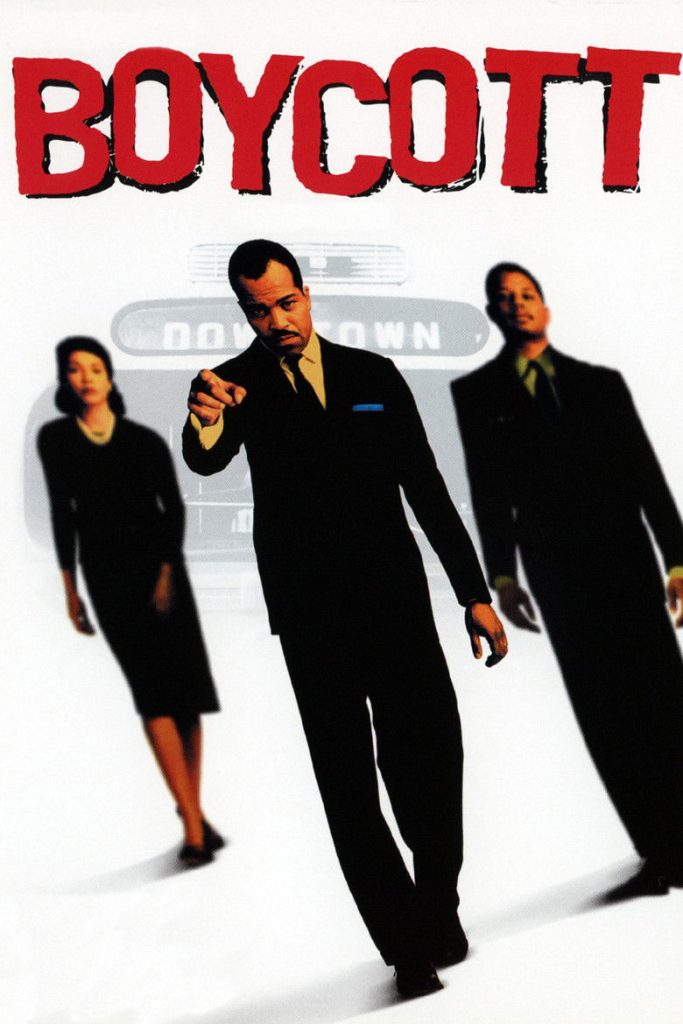
Story overview
This 2001 TV movie dramatizes the historic Montgomery Bus Boycott of 1955-1956, a pivotal event in the American Civil Rights Movement. The film focuses on the leadership of Dr. Martin Luther King Jr. and the collective action of the African American community in Montgomery, Alabama, who protested racial segregation on public buses through a sustained nonviolent boycott. It portrays the challenges, sacrifices, and strategic organizing involved in this peaceful protest against injustice.
Parent Guide
This TV movie is a historical drama suitable for children aged 8 and older, focusing on the nonviolent protest of the Montgomery Bus Boycott. It provides an educational look at civil rights history with mild emotional intensity but no graphic content. Parental guidance is recommended to discuss themes of racism, justice, and peaceful resistance.
Content breakdown
No physical violence is depicted. There are tense scenes involving racial harassment, such as verbal confrontations and threats, and peril from societal tensions (e.g., bomb threats mentioned, but not shown graphically). The focus is on nonviolent resistance.
Some scenes may be emotionally disturbing due to portrayals of racial discrimination and injustice, such as segregation signs and unfair treatment. There are moments of tension and fear related to the boycott's risks, but nothing visually frightening or gory.
Occasional mild language may include terms like 'hell' or 'damn' in dramatic contexts. No strong profanity or slurs are used prominently.
No sexual content or nudity. The film focuses on historical and social themes.
No depiction of substance use. The setting is a historical period drama centered on civil rights activism.
Moderate emotional intensity due to themes of injustice, sacrifice, and community struggle. Scenes of discrimination and the boycott's hardships may evoke sadness or anger, balanced by inspiring moments of unity and hope. Suitable for older children with discussion.
Parent tips
This film is an educational and inspiring portrayal of nonviolent protest and civil rights history. It's suitable for children aged 8 and up with parental guidance. Discuss the historical context of segregation and the importance of equality and justice. The movie shows tense situations and emotional moments related to racial discrimination, but no graphic violence. Use it as a springboard to talk about standing up for what's right through peaceful means.
Parent chat guide
Parent follow-up questions
—
- What did the people in the movie do when they were treated unfairly on the buses?
- How did Dr. King help everyone work together?
- Why is it important to be kind to everyone, no matter what they look like?
- What were the main reasons for the bus boycott in Montgomery?
- How did nonviolent protest help the Civil Rights Movement succeed?
- What challenges did the community face during the boycott, and how did they overcome them?
- Analyze the strategies used in the Montgomery Bus Boycott. Why were they effective?
- How does this film portray the role of leadership and grassroots organizing in social movements?
- Discuss the historical accuracy of the movie. What might it leave out or emphasize, and why?
🎭 Story Kernel
The film explores how personal ethics collide with systemic oppression through the lens of a modern-day boycott. It's not about grand gestures but the cumulative weight of small, daily decisions—the protagonist's journey from passive consumer to active resistor reveals how economic participation can be weaponized or reclaimed. The driving force isn't heroism but moral exhaustion; characters reach breaking points where complicity becomes more painful than confrontation. The movie argues that in an interconnected world, individual consumption is never truly neutral, and choosing where to spend (or not spend) becomes one of the few tangible forms of protest available to ordinary people.
🎬 Visual Aesthetics
The cinematography employs a stark, documentary-like realism with handheld shots that create intimacy and unease. A muted color palette dominated by grays and blues reflects the bureaucratic coldness of the systems being challenged. Key moments use tight close-ups on faces during moral dilemmas, making internal conflicts physically palpable. The boycott scenes are filmed with deliberate mundanity—lingering on barcodes, receipts, and shopping carts—elevating everyday transactions into tense standoffs. Visual symmetry in corporate spaces contrasts with the organic disorder of protest gatherings, visually reinforcing the clash between institutional power and grassroots resistance.
🔍 Details & Easter Eggs
💡 Behind the Scenes
The director conducted extensive interviews with real-life boycott organizers and participants, incorporating their experiences into the script's authentic dialogue. Several scenes were filmed in actual stores during off-hours, with many extras being real activists who'd participated in similar movements. The lead actress spent weeks shadowing community organizers to capture their specific mannerisms and speech patterns. Notably, the production faced difficulty securing filming permits at certain corporate locations once the script's subject matter became known to property managers.
Where to watch
Choose region:
- HBO Max
- HBO Max Amazon Channel
- Amazon Video
- Apple TV Store
- Google Play Movies
- YouTube
- Fandango At Home
Trailer
Trailer playback is unavailable in your region.