
Bram Stoker’s Dracula (1992)
Story overview
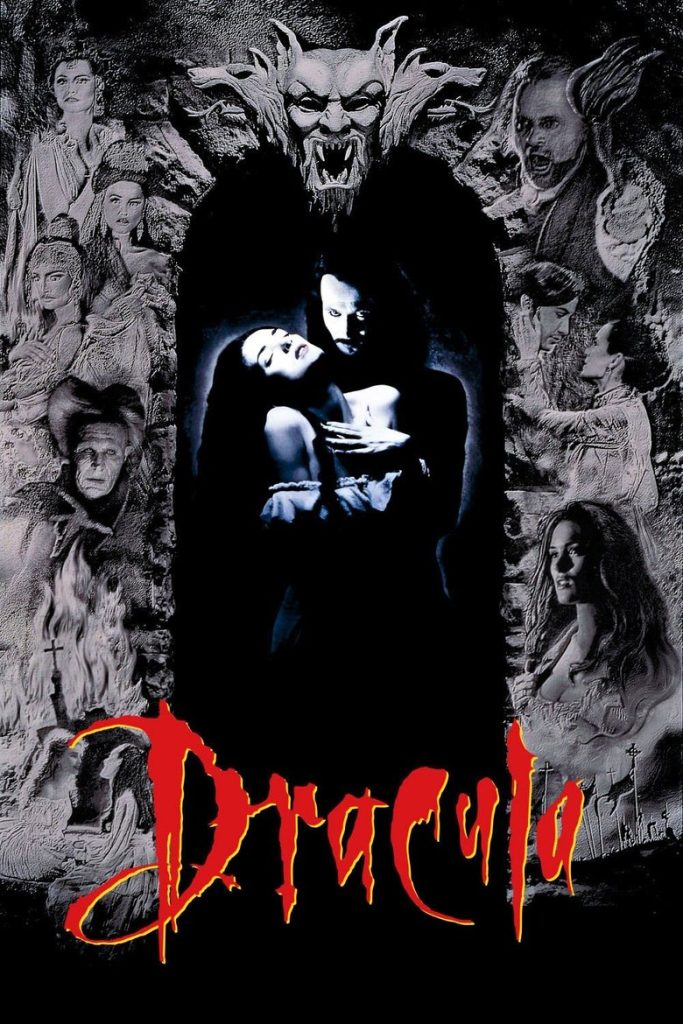
Bram Stoker's Dracula is a 1992 gothic horror film that adapts the classic vampire novel. It blends romance and horror elements in a visually striking period setting. The story follows Count Dracula's centuries-long quest for love and revenge, involving supernatural powers and mortal characters caught in his dark world.
Parent Guide
This R-rated horror film contains intense and graphic content unsuitable for children and younger teens.
Content breakdown
Contains graphic violence including stakings, decapitation, bloodshed, and supernatural attacks
Features intense horror imagery, supernatural elements, gothic atmosphere, and psychological terror
Some period-appropriate dialogue and emotional exchanges
Contains sensual scenes, implied sexuality, and romantic elements with mature themes
Some social drinking in period settings
High emotional stakes involving love, loss, revenge, and supernatural horror
Parent tips
This R-rated film contains intense horror elements including graphic violence, sexual content, and disturbing imagery that make it unsuitable for younger viewers. Parents should be aware that the film includes scenes of bloodshed, supernatural horror, and romantic elements with mature themes. Consider the emotional maturity of your teen before viewing, as the film's gothic atmosphere and horror elements can be quite intense.
Parent chat guide
Parent follow-up questions
- Did any parts of the movie make you feel scared?
- What was your favorite costume in the movie?
- Can you tell me about one character you remember?
- What colors did you see most in the movie?
- How did the music make you feel?
- What made the vampire scary in this story?
- How did the characters try to stay safe from danger?
- What did you think about how people dressed in the movie?
- Was there anything confusing about what happened?
- What would you do if you met a character from this movie?
- How does this version of Dracula compare to other vampire stories you know?
- What choices did the characters make that you agreed or disagreed with?
- How did the movie's setting affect the story?
- What themes about love and loyalty did you notice?
- How did the film use special effects to create mood?
- How does the film explore themes of immortality and its consequences?
- What commentary does the film make about Victorian society and values?
- How does the cinematography and visual style contribute to the storytelling?
- In what ways does the film subvert or reinforce traditional vampire tropes?
- How does the relationship between Dracula and Mina challenge conventional romance narratives?
🎭 Story Kernel
At its core, Coppola's 'Dracula' is less about horror and more about the tragic persistence of love across centuries. The driving force isn't vampiric hunger but Dracula's desperate, obsessive quest to reclaim his lost love, Elisabeta, in Mina. This transforms him from a monster into a tragic romantic figure—a cursed soul using supernatural power to correct a divine injustice. Every character orbits this central tragedy: Van Helsing represents rigid rationality battling ancient passion, Lucy embodies repressed Victorian sexuality unleashed, and Jonathan Harker becomes the innocent bystander caught in a love story 400 years in the making. The real horror isn't the bloodsucking but love's capacity to corrupt and consume beyond death.
🎬 Visual Aesthetics
Coppola's film is a breathtaking exercise in practical effects and theatrical artifice. The camera becomes a character—witness the iconic shot where Dracula's shadow moves independently, a perfect visual metaphor for his unnatural existence. The color palette tells its own story: deep reds and blacks dominate Dracula's world, while London appears in muted blues and grays until Lucy's corruption introduces violent crimson. Symbolism is everywhere—the cross-shaped scar on Harker's forehead, the erotic penetration of stakes, the way Dracula's castle seems to breathe with organic, pulsating walls. The film rejects modern CGI in favor of in-camera tricks, double exposures, and forced perspective, creating a dreamlike, Victorian-era magic lantern show feel.
🔍 Details & Easter Eggs
💡 Behind the Scenes
Francis Ford Coppola insisted on using only techniques available in 1897, the novel's publication year, banning all computer-generated effects. The entire film was shot on soundstages, with elaborate miniatures and in-camera tricks creating its surreal look. Gary Oldman spent four hours daily in makeup for Dracula's aged form, while Anthony Hopkins improvised much of Van Helsing's dialogue, including his memorable 'The children of the night... what music they make' delivery. Winona Ryder, initially cast as Lucy, swapped roles with Sadie Frost after reading the script, believing Mina's complexity better suited her. The film's lavish costumes earned Eiko Ishioka an Oscar, particularly Dracula's iconic red armor, which took six months to design and construct.
Where to watch
Choose region:
- Netflix
- Amazon Video
- Google Play Movies
- YouTube
- Fandango At Home
- Apple TV
Trailer
Trailer playback is unavailable in your region.