
Braveheart (1995)
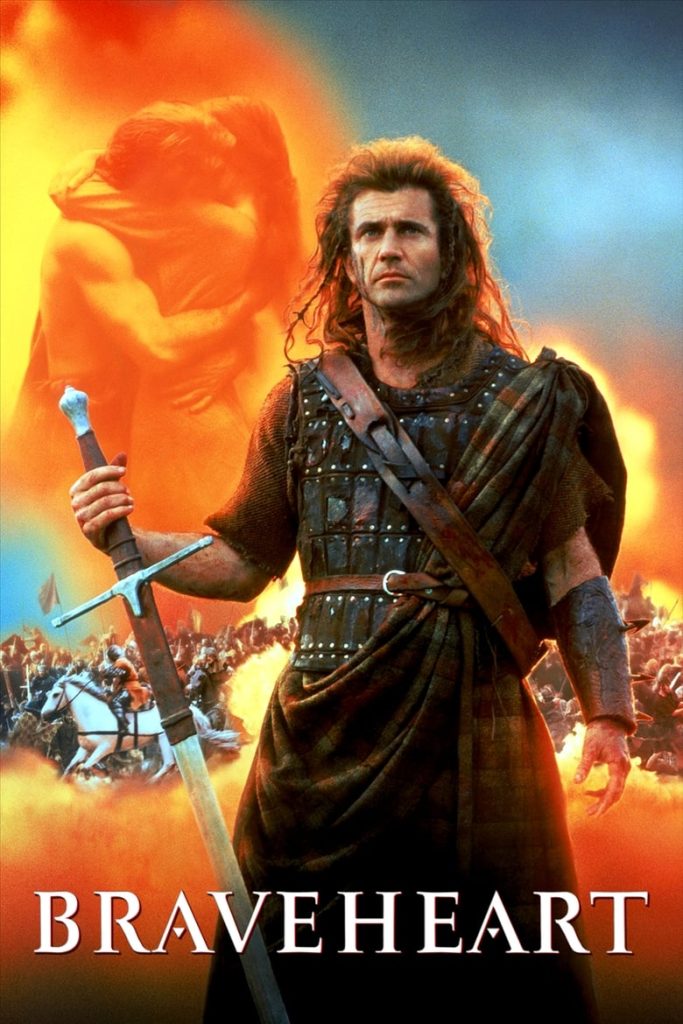
Story overview
This historical drama depicts the struggle of Scottish warrior William Wallace against English rule in the late 13th century. After personal tragedy strikes, Wallace leads a rebellion that grows into a national uprising. The film portrays themes of freedom, sacrifice, and resistance through intense battle sequences and emotional character journeys. It explores the costs of war and the pursuit of independence.
Parent Guide
A historically-based war drama with intense graphic violence, mature themes, and complex political content suitable only for older teenagers.
Content breakdown
Extensive graphic battlefield violence including sword fights, executions, torture, and bloody injuries. Multiple scenes show characters being killed in combat.
Intense emotional scenes involving grief and betrayal. Some disturbing imagery related to warfare and oppression.
Historical-era profanity and some modern expletives. Language consistent with wartime settings.
Brief implied marital intimacy and a non-graphic sexual assault scene. Some romantic themes.
Historical depiction of alcohol consumption in social and ceremonial contexts.
High emotional stakes throughout with themes of loss, sacrifice, and political struggle.
Parent tips
This R-rated film contains extensive graphic violence including battlefield combat, executions, and torture scenes that are intense and bloody. There are brief scenes of sexual content including implied marital intimacy and a non-graphic sexual assault. Strong language includes historical-era profanity and modern expletives. The emotional intensity is high throughout with themes of grief, betrayal, and oppression.
Due to the mature content and historical complexity, this film is most appropriate for older teenagers who can process the violent themes and political context. The nearly three-hour runtime and dense historical narrative may challenge younger viewers' attention spans. Parents should consider their child's sensitivity to violence and ability to understand historical conflicts before viewing.
Parent chat guide
After viewing, focus conversations on the film's themes rather than graphic details. Discuss how the film portrays leadership, sacrifice, and the costs of war. Ask about what historical lessons might apply to modern conflicts. Help process any disturbing scenes by emphasizing the difference between historical depiction and contemporary values.
Parent follow-up questions
- What did you notice about how people dressed in the movie?
- How did the music make you feel during different parts?
- What colors did you see most in the movie?
- Did you see any animals in the film?
- What was your favorite part to watch?
- Why were the Scottish and English people fighting?
- What does 'freedom' mean to you?
- How did the characters show they were brave?
- What would you do if you saw someone being treated unfairly?
- How do you think people solved problems in old times?
- What historical facts do you think were accurate in the film?
- How does the movie show the difference between good and bad leadership?
- What sacrifices did characters make for their beliefs?
- How does the film portray the consequences of war?
- What modern conflicts remind you of this historical struggle?
- How does the film balance historical accuracy with dramatic storytelling?
- What ethical questions does the film raise about violence for a cause?
- How are themes of nationalism and identity presented in the film?
- What cinematic techniques made the battle scenes impactful or disturbing?
- How does this historical narrative connect to contemporary discussions about freedom and oppression?
🎭 Story Kernel
At its core, 'Braveheart' is less a historical epic about Scottish independence and more a visceral, personal tragedy of trauma and revenge. William Wallace's crusade is not primarily driven by political ideology, but by the primal, searing loss of his wife, Murron. Her brutal execution is the emotional engine of the entire film, transforming a man seeking a quiet life into an avatar of wrath. The narrative exposes the cyclical nature of violence; Wallace's righteous fury inspires a nation, yet his methods—and the betrayals they spawn—mirror the cruelty he opposes. The film argues that while tyranny can be defeated, the personal cost of liberation often consumes the liberator, leaving a legacy painted in blood as much as glory.
🎬 Visual Aesthetics
Mel Gibson employs a stark, almost elemental visual language. The Scottish landscapes are captured in sweeping, misty greens and grays, representing freedom and homeland, starkly contrasted with the opulent golds and rich fabrics of English interiors, symbolizing corrupt, stifling authority. The battle sequences are brutally intimate, eschewing wide, glorious shots for chaotic, ground-level carnage where mud, blood, and rain blend into a visceral tapestry of war. Slow-motion is used not for heroics, but to emphasize the horrifying impact of violence—the crunch of a mace, the spray of blood—making the audience feel the physical toll of each conflict.
🔍 Details & Easter Eggs
💡 Behind the Scenes
Mel Gibson fiercely championed the film, investing his own salary and battling studio skepticism to get it made. The sprawling Battle of Stirling Bridge was filmed without the bridge for budgetary and logistical reasons, a noted historical liberty. Sophie Marceau (Princess Isabelle) and Catherine McCormack (Murron) learned their lines phonetically as neither spoke English fluently at the time. Much of the film was shot in Ireland, standing in for Scotland, utilizing the landscapes of County Meath and Wicklow.
Where to watch
Choose region:
- Netflix
- Amazon Prime Video
- fuboTV
- Starz Apple TV Channel
- Paramount+ Amazon Channel
- Paramount+ Roku Premium Channel
- YouTube TV
- Netflix Standard with Ads
- Amazon Prime Video with Ads
- Paramount Plus Essential
- Paramount Plus Premium
- Amazon Video
- Apple TV
- Google Play Movies
- YouTube
- Fandango At Home
- Spectrum On Demand
Trailer
Trailer playback is unavailable in your region.