
Breaking Boundaries: The Science of Our Planet (2021)
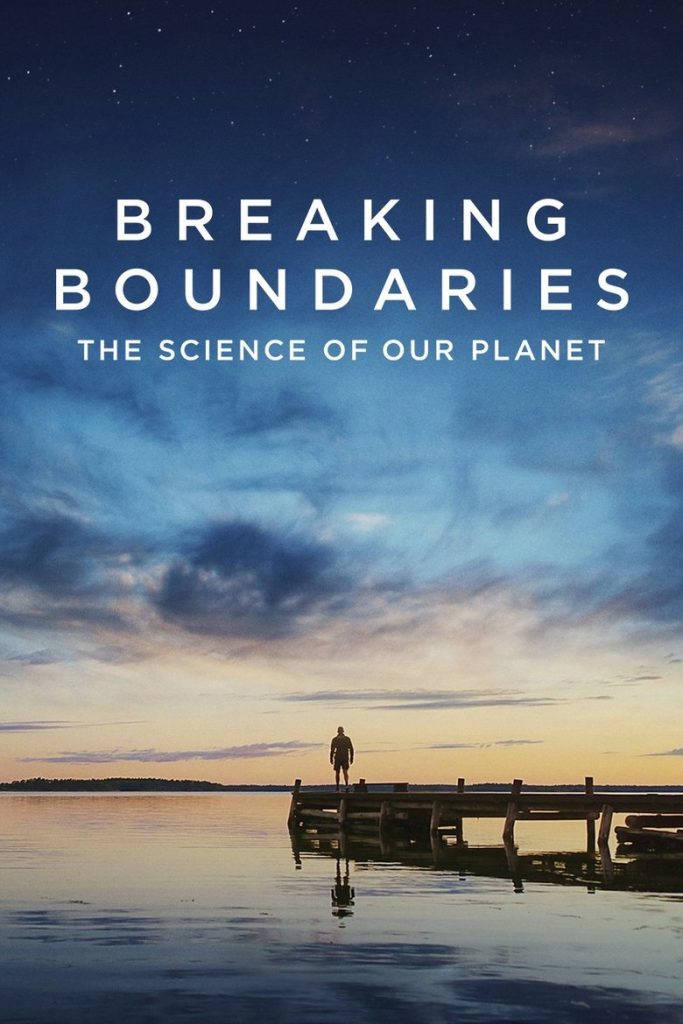
Story overview
This documentary, narrated by David Attenborough, explores the critical state of Earth's biodiversity and ecosystems, presenting scientific evidence of environmental collapse while offering hopeful solutions for mitigation. It combines stunning visuals of nature with clear explanations of complex ecological concepts, aiming to educate viewers about urgent climate and biodiversity challenges.
Parent Guide
Educational documentary about environmental science with hopeful messaging but serious subject matter. Best for children mature enough to handle discussions of ecological crises.
Content breakdown
No physical violence. Some discussion of environmental destruction and species extinction that might be conceptually distressing. Images of bleached coral reefs and deforested areas shown.
Some children might find discussions of climate change impacts and species extinction concerning. Visuals of environmental degradation (like melting ice or dead coral) could be unsettling. The tone remains educational rather than sensational.
No profanity or inappropriate language. All dialogue is scientific and educational in nature.
No sexual content or nudity.
No depiction of substance use.
The subject matter involves serious environmental crises that could provoke anxiety or sadness in sensitive viewers. However, the film maintains a solution-oriented, hopeful perspective throughout.
Parent tips
This documentary presents scientific information about environmental crises in an accessible way. Parents should be prepared to discuss potentially distressing topics like species extinction and climate change impacts. The film maintains a hopeful tone but includes sobering facts that might worry sensitive children. Consider watching together to provide context and reassurance.
Parent chat guide
Parent follow-up questions
- What was your favorite animal in the movie?
- What colors did you see in nature?
- How can we help take care of plants and animals?
- What did you learn about how plants and animals depend on each other?
- What are some ways scientists are helping the environment?
- What's one thing we could do at home to help nature?
- What scientific evidence did the film present about environmental changes?
- How do the different 'planetary boundaries' connect to each other?
- What solutions seemed most practical to implement?
- How does this documentary's approach to climate communication compare to others you've seen?
- What systemic changes would be needed to implement the solutions presented?
- How might different countries balance environmental protection with economic development?
🎭 Story Kernel
The film isn't a traditional narrative but a scientific indictment of humanity's impact on Earth's nine planetary boundaries. It presents our planet as a patient in critical condition, with Sir David Attenborough as the chief diagnostician explaining how we've pushed climate change, biodiversity loss, and other systems beyond safe limits. The driving force is data - overwhelming evidence from decades of research showing how interconnected systems are collapsing. The 'characters' are the planetary boundaries themselves, each with tipping points that once crossed, trigger irreversible damage. The film's urgency comes from showing we've already breached six of nine boundaries, making this less an environmental documentary and more an emergency briefing.
🎬 Visual Aesthetics
The visual language oscillates between breathtaking natural cinematography and stark scientific visualization. Aerial shots of melting glaciers and burning forests are contrasted with animated data visualizations that make abstract concepts like ocean acidification tangible. The color palette shifts from vibrant blues and greens of healthy ecosystems to the ominous reds and oranges of climate data graphs showing temperature spikes. Time-lapse sequences of deforestation and glacier retreat serve as visual evidence rather than mere spectacle. The camera often pulls back to show Earth from space, emphasizing our planet's fragility and interconnectedness - a visual motif that reinforces the central scientific message.
🔍 Details & Easter Eggs
💡 Behind the Scenes
The film is based on the groundbreaking research of scientist Johan Rockström and his team at the Stockholm Resilience Centre, who first defined the nine planetary boundaries concept in 2009. Sir David Attenborough recorded his narration during the COVID-19 lockdowns, which ironically provided some of the clearest satellite imagery of reduced human impact shown in the film. Much of the scientific visualization was created using actual climate models from NASA and the IPCC, making the animations not just illustrative but scientifically accurate representations of current data and projections.
Where to watch
Choose region:
- Netflix
- Netflix Standard with Ads
Trailer
Trailer playback is unavailable in your region.