
Breaking the Silence: The Maria Soledad Case (2024)
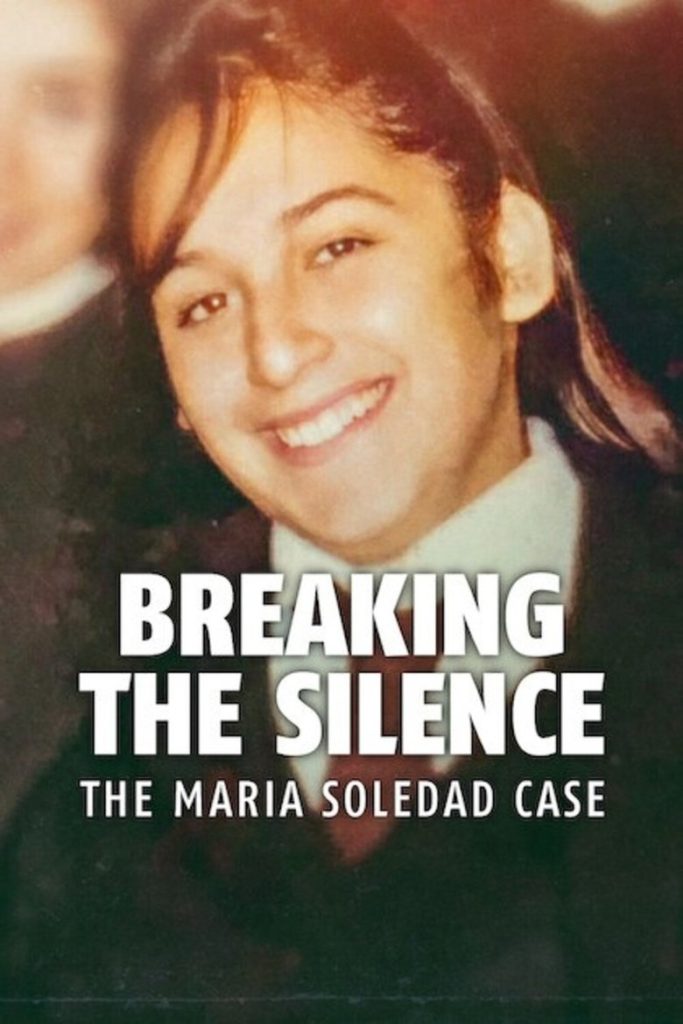
Story overview
This documentary from Argentina examines the 1990 murder of high school student Maria Soledad, which ignited widespread public protests. Through interviews with her family and friends, the film recounts their persistent struggle for justice against a backdrop of social and political tensions.
Parent Guide
A serious documentary about a real murder case and its aftermath, focusing on grief, justice, and social activism. Contains mature themes and emotional content.
Content breakdown
Discusses a real murder case, including details of the crime. May include descriptions of violence, crime scene references, or emotional accounts from loved ones. No graphic visuals expected in a documentary format.
Themes of murder, loss, and injustice could be disturbing. Emotional interviews with grieving family/friends. Discussions of death and violence may be unsettling for sensitive viewers.
May include occasional strong language in interviews or archival footage, but typical documentary restraint expected. Spanish language with possible subtitles.
No sexual content or nudity indicated. Focus is on crime, justice, and social response.
No substance use content indicated.
High emotional content dealing with grief, anger, frustration over injustice. Interviews with affected loved ones likely convey raw emotions. Themes of loss and fighting against systems could be intense.
Parent tips
This documentary deals with real-life murder, grief, and social injustice. It may include emotional interviews, discussions of violence, and themes of systemic failure. Best suited for mature teens who can process these topics. Consider watching together to discuss the historical and social context.
Parent chat guide
Parent follow-up questions
—
—
- What do you think 'justice' means in this story?
- How do you think Maria's friends felt when this happened?
- What social factors in 1990s Argentina might have influenced this case?
- How does this documentary approach truth-telling differently than news reports?
- What role do protests play in seeking justice?
🎭 Story Kernel
The film transcends the true-crime genre to explore the collective awakening of a society suppressed by a feudal political dynasty. It centers on the 1990 murder of María Soledad Morales in Catamarca, Argentina, but its true heartbeat is the 'Silent Marches' led by her schoolmates and Sister Martha Pelloni. The narrative expresses how a singular act of femicide, and the subsequent state-sponsored cover-up by the Saadi family, became the catalyst for a national reckoning. It is a profound study of how grief, when channeled into organized civil disobedience, can dismantle entrenched power structures. By focusing on the 'discípulas'—María’s friends—the film highlights the transition from individual trauma to a collective demand for justice, illustrating the birth of a feminist consciousness in a deeply conservative province.
🎬 Visual Aesthetics
Lorena Muñoz utilizes a dual-layered visual approach, contrasting the grainy, chaotic VHS archival footage of the 1990s with the sharp, somber clarity of contemporary interviews. The cinematography in the modern segments is intimate and static, forcing the viewer to confront the weathered faces of those who survived the era's intimidation. Symbolism is found in the recurring imagery of the school uniform and the white scarves of the Silent Marches, which stand as beacons of purity against the dark, murky depictions of the crime scene and the 'sons of power.' The editing seamlessly weaves news clips of the era’s media circus with quiet, reflective shots of the Catamarca landscape, suggesting that while the political landscape has shifted, the physical earth still holds the memory of the violence inflicted upon it.
🔍 Details & Easter Eggs
💡 Behind the Scenes
Director Lorena Muñoz, previously acclaimed for her biopics of Argentine icons like Gilda and Rodrigo, shifts her focus here to a documentary format to mark the 34th anniversary of the case. The production secured unprecedented access to María Soledad’s inner circle, many of whom had avoided the spotlight for decades due to the trauma of the initial investigation. The film serves as a historical document of the first time the term 'femicide' began to resonate in the Argentine public consciousness, long before it was legally recognized as a specific crime in the country's penal code.
Where to watch
Choose region:
- Netflix
- Netflix Standard with Ads
Trailer
Trailer playback is unavailable in your region.