
Brené Brown: The Call to Courage (2019)
Story overview
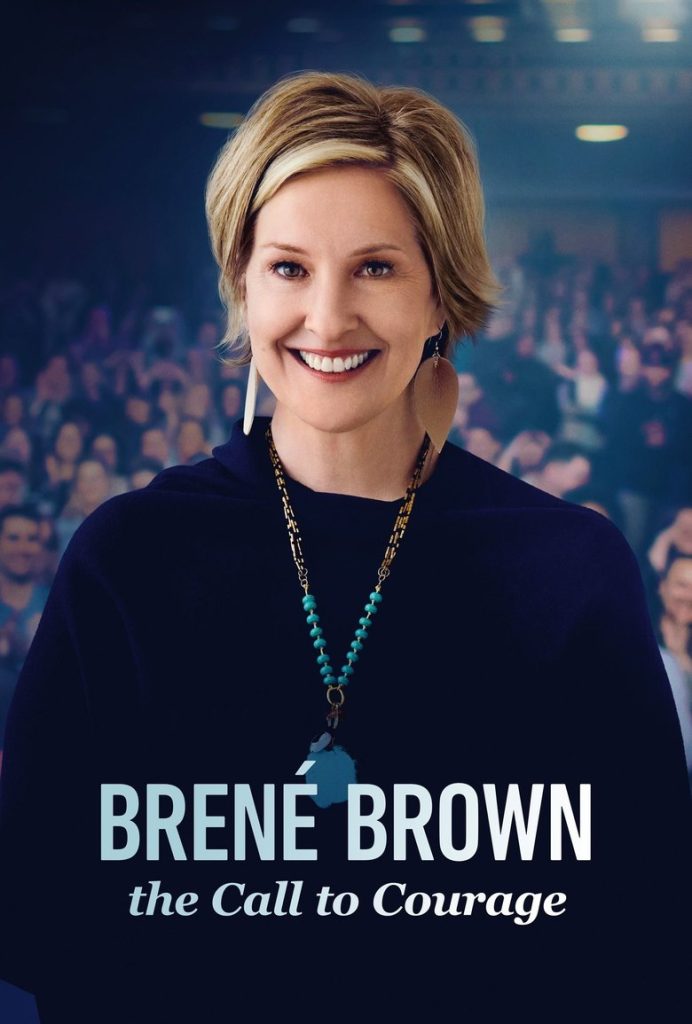
This 2019 documentary features Brené Brown, a research professor and bestselling author, delivering a powerful talk about vulnerability, courage, and authenticity. Based on over a decade of research, she explores how embracing vulnerability can lead to more meaningful connections and personal growth, using humor and personal stories to discuss topics like shame, fear, and choosing courage in uncertain times.
Parent Guide
A thought-provoking documentary with no objectionable content, focusing on positive messages about emotional growth and courage. Suitable for ages 10 and up, with parental guidance recommended for younger viewers to help process the abstract themes.
Content breakdown
No violence, peril, or physical threats are present. The content is entirely conversational and based on personal anecdotes and research.
Nothing scary or disturbing; the talk discusses emotional topics like shame and fear in a supportive, educational manner without graphic or intense imagery.
No profanity, offensive language, or inappropriate terms. The language is academic and conversational, suitable for all ages.
No sexual content, nudity, or romantic themes. The focus is solely on psychological and emotional concepts.
No depiction or mention of alcohol, drugs, tobacco, or substance use.
Mild emotional intensity due to discussions of vulnerability, shame, and fear, which may prompt reflection or mild discomfort in sensitive viewers, but it's presented in a constructive, uplifting way.
Parent tips
This documentary is suitable for older children and teens who can engage with abstract concepts about emotions and social dynamics. Parents may want to watch together to discuss themes like vulnerability, shame, and courage, as it offers valuable insights into emotional intelligence and resilience. No concerning content is present, making it safe for family viewing with guidance for younger viewers.
Parent chat guide
Parent follow-up questions
—
- What does it mean to be brave?
- Can you tell me about a time you tried something new even if it was scary?
- How do you feel when you make a mistake?
- How does Brené define vulnerability, and why does she say it's important?
- What are some examples of shame from the talk, and how can we handle those feelings?
- How can choosing courage over comfort help in school or with friends?
- In what ways do societal pressures, like scarcity or fear, affect your daily choices and self-image?
- How can Brené's research on authenticity apply to social media or peer relationships?
- What strategies from the talk could you use to build resilience in challenging situations?
🎭 Story Kernel
The film is not a traditional narrative but a masterfully structured argument for vulnerability as the birthplace of courage, connection, and creativity. It dismantles the cultural myth that vulnerability is weakness, reframing it as the fundamental requirement for a meaningful life. The 'plot' is the emotional and intellectual journey of the audience, guided by Brown's personal anecdotes and research. The driving force is the tension between our innate desire for connection and our learned armor of perfectionism and self-protection. The climax isn't an event, but the internal shift when viewers confront their own shame stories and recognize the power of saying 'I see you, and I'm with you.'
🎬 Visual Aesthetics
The visual language is deceptively simple, deliberately crafted to focus attention on the speaker. It's shot in a single, intimate theater setting with a warm, earthy color palette—browns, deep reds, and soft golds—that feels grounded and human. The camera work is fluid but restrained, using slow zooms and audience reaction shots to create a sense of shared experience, not a lecture. The stage itself is almost bare, a metaphor for vulnerability: there's nowhere to hide. The lighting subtly shifts with the emotional tone of stories, brightening for moments of revelation and softening for confessions of shame.
🔍 Details & Easter Eggs
💡 Behind the Scenes
This was Brené Brown's first Netflix special, filmed over two nights at the UCLA Royce Hall in Los Angeles to capture audience energy. The decision to present it as a 'stand-up special' rather than a dry TED Talk or lecture was intentional, aligning her message on courage with the vulnerability of a performer. Brown worked closely with director Paul Dugdale to achieve the conversational, intimate feel, reportedly doing multiple full run-throughs without an audience to perfect timing and camera cues. The now-iconic quote 'Clear is kind. Unclear is unkind' was ad-libbed during one of these rehearsals and made the final cut.
Where to watch
Choose region:
- Netflix
- Netflix Standard with Ads
Trailer
Trailer playback is unavailable in your region.