Broken Idol: The Undoing of Diomedes Díaz (2022)
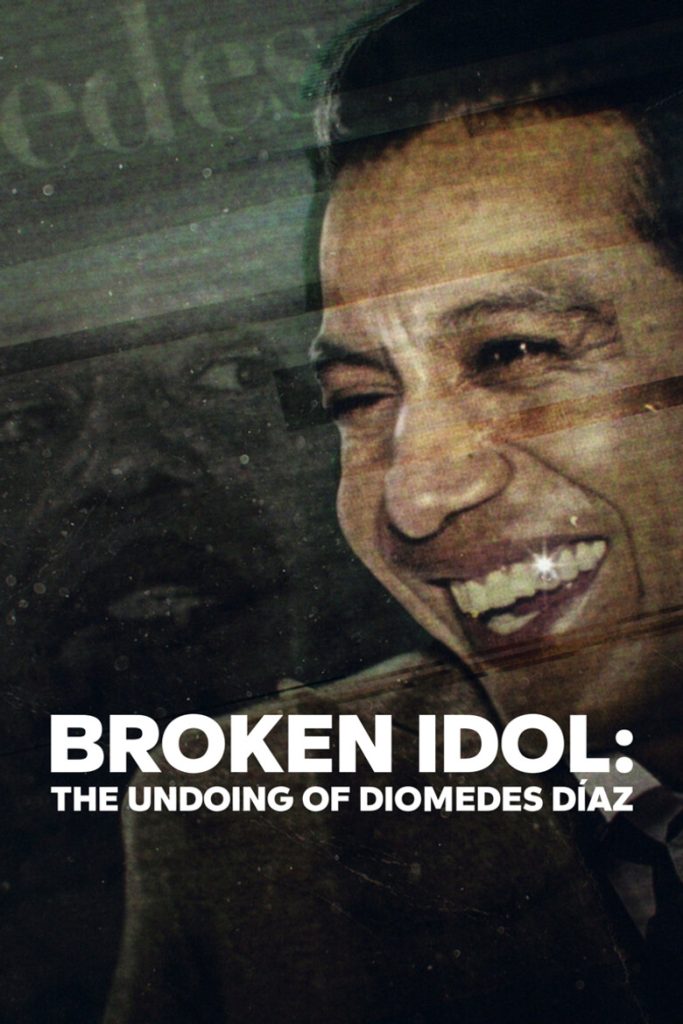
Story overview
This documentary explores the life of Colombian singer Diomedes Díaz, detailing his rise to fame as a beloved musical icon and his subsequent downfall following accusations of involvement in a fan's death. It examines his career, personal struggles, and the legal case that tarnished his legacy.
Parent Guide
A documentary examining the complex life of a Colombian music icon, suitable for mature audiences who can handle discussions of crime, legal issues, and personal downfall.
Content breakdown
Discusses a death but doesn't show graphic violence. Focuses on legal proceedings and consequences rather than violent acts.
Themes of downfall, legal trouble, and death may be disturbing to sensitive viewers. The documentary examines serious real-life events that ended a career.
May include occasional strong language in interviews or archival footage, but not pervasive.
No sexual content or nudity present.
May reference or show substance use typical of the music industry context, but not glorified or explicit.
Deals with serious themes of fame, downfall, and legal consequences. May evoke strong emotions about justice, celebrity culture, and personal responsibility.
Parent tips
This documentary deals with mature themes including crime, legal proceedings, and personal downfall. While there's no graphic violence shown, the subject matter involves serious real-life events that may be difficult for younger children to understand. Best suited for older children and teens who can process complex social and ethical issues.
Parent chat guide
Parent follow-up questions
—
- What kind of music did this person make?
- Why do you think people liked his songs?
- What do you think it means to be famous?
- How do you think the legal case affected his career?
- What responsibilities do famous people have to their fans?
- How does this documentary present both sides of the story?
- What does this case reveal about celebrity culture in Colombia?
- How should we evaluate artists when their personal lives are controversial?
- What ethical questions does this documentary raise about fame and accountability?
🎭 Story Kernel
The film explores the tragic paradox of Diomedes Díaz's life, where his immense talent as a vallenato singer becomes the very engine of his self-destruction. It's not merely a biopic of rise and fall, but a deep character study of a man consumed by the persona he created. The narrative drives home how the adoration of millions and the pressures of stardom fuel a cycle of addiction, betrayal, and personal neglect. Ultimately, it portrays a soul fractured by the weight of his own idol status, showing that the undoing was not an external force, but the internal corrosion of living a myth.
🎬 Visual Aesthetics
The cinematography masterfully uses contrast to mirror Díaz's duality. Scenes of euphoric concert performances are bathed in warm, vibrant lights, capturing the adulation. In stark contrast, his private moments are often shot in muted, shadowy palettes with handheld cameras, emphasizing instability and isolation. The film frequently employs close-ups on Díaz's face during moments of crisis, forcing the audience to witness the turmoil behind the star's smile. This visual language doesn't glamorize but intimately dissects the loneliness at the heart of fame.
🔍 Details & Easter Eggs
💡 Behind the Scenes
Actor Juan Pablo Urrego underwent significant vocal training to authentically perform Díaz's iconic vallenato songs, rather than relying solely on lip-syncing. Key scenes were filmed on location in Valledupar, Díaz's hometown, adding layers of authenticity. The production consulted closely with people from Díaz's real-life circle, though it maintains a critical, not hagiographic, perspective. The soundtrack carefully blends Díaz's original hits with score compositions that underscore the narrative's emotional beats without romanticizing the era.
Where to watch
Choose region:
- Netflix
- Netflix Standard with Ads