
Bruce Lee: The Legend (1984)
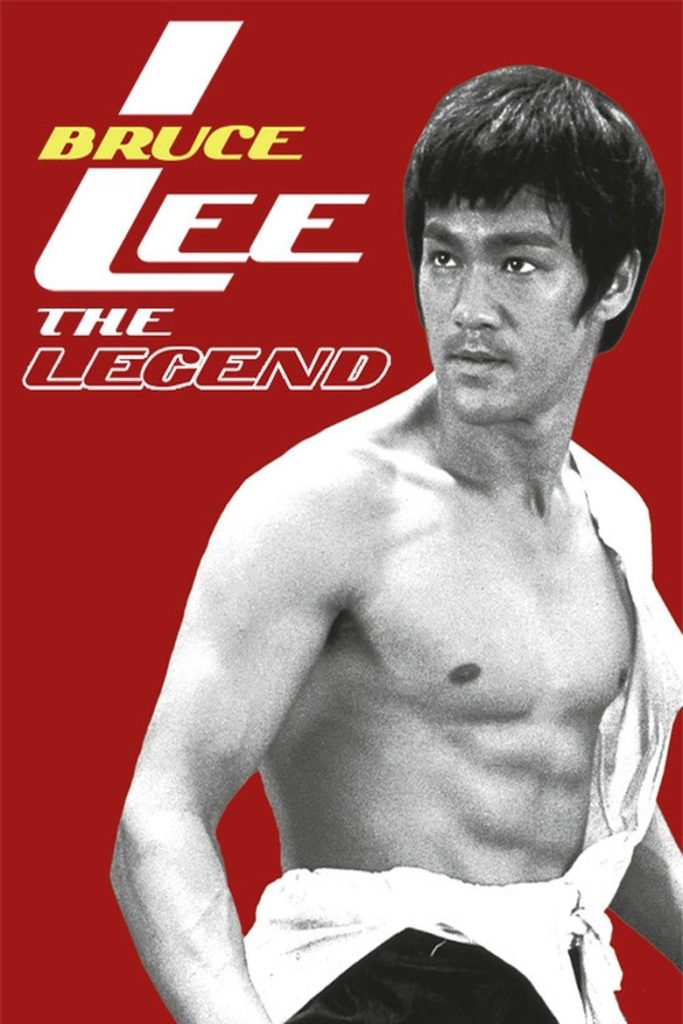
Story overview
This 1984 documentary from Golden Harvest celebrates the life and career of martial arts icon Bruce Lee. Through archival footage, interviews with family and colleagues, and clips from his films, it explores his impact on cinema and martial arts culture. The film serves as a tribute to his legacy, focusing on his achievements and philosophy rather than sensationalizing his personal life.
Parent Guide
A respectful documentary tribute to Bruce Lee suitable for most children aged 8+ with its TV-14 rating primarily reflecting martial arts action clips rather than mature content. The film focuses on his professional achievements and legacy.
Content breakdown
Contains martial arts fight scenes from Bruce Lee's movies shown as documentary clips. These are stylized martial arts sequences without graphic violence, blood, or realistic injury. No actual violence is depicted outside of movie footage.
No scary or disturbing content. The documentary maintains a respectful, celebratory tone throughout. Brief mention of Bruce Lee's death is handled tactfully without graphic details.
No offensive language noted. The documentary features interviews and narration in English with professional, respectful language throughout.
No sexual content or nudity. The documentary focuses exclusively on Bruce Lee's professional life and martial arts career.
No depiction or discussion of substance use. The film emphasizes Bruce Lee's physical discipline and training regimen.
Mild emotional moments when discussing Bruce Lee's legacy and impact. The tone is generally celebratory and inspirational rather than emotionally intense.
Parent tips
This documentary is suitable for most children aged 8 and up with parental guidance. It contains martial arts action from Bruce Lee's film clips, but presented in a documentary context without graphic violence. The TV-14 rating primarily reflects the martial arts content and some discussion of Lee's philosophy and career challenges. Parents may want to watch with younger children to discuss Bruce Lee's cultural significance and the difference between documentary footage and fictional fight scenes.
Parent chat guide
Parent follow-up questions
—
- What did you learn about Bruce Lee from this movie?
- How is watching a documentary different from watching a regular movie?
- What kind of exercises did Bruce Lee do to become strong?
- Why do you think Bruce Lee became such an important figure in movies?
- How does this documentary show respect for Bruce Lee's legacy?
- What challenges do you think Bruce Lee faced as an Asian actor in Hollywood?
- How does this documentary shape our understanding of Bruce Lee's cultural impact?
- What aspects of Bruce Lee's philosophy might still be relevant today?
- How do tributes like this documentary contribute to creating legends around public figures?
🎭 Story Kernel
The film transcends a standard biography by framing Bruce Lee's life as a relentless quest for identity and cultural impact, driven by his defiance against racial stereotypes in Hollywood and his mission to popularize martial arts globally. It explores the tension between his personal philosophy of self-actualization, rooted in Jeet Kune Do, and the commercial pressures that shaped his stardom, ultimately portraying his legacy as a synthesis of physical prowess and intellectual rebellion against a constrained industry.
🎬 Visual Aesthetics
The documentary employs a raw, archival aesthetic with grainy footage and stark contrasts, emphasizing authenticity over polish. Its camera work often uses tight close-ups during interviews to capture emotional intensity, while action sequences are presented in a straightforward, unembellished style that highlights Lee's precise movements. The color palette leans toward muted tones, with occasional vibrant highlights in promotional materials, symbolizing the clash between his artistic purity and the glamour of fame.
🔍 Details & Easter Eggs
💡 Behind the Scenes
The film incorporates rare home video footage provided by Lee's family, offering intimate glimpses into his personal life. It was shot across key locations like Hong Kong and Los Angeles, with some scenes filmed at the actual sets of his movies. Production involved extensive research into archival materials, including previously unreleased interviews, to ensure an authentic portrayal without dramatization.
Where to watch
Choose region:
- Amazon Prime Video
- HBO Max
- HBO Max Amazon Channel
- GuideDoc
- Amazon Prime Video with Ads
- The Roku Channel
- Amazon Prime Video Free with Ads
- Mometu
- Tubi TV
- Amazon Video
- Apple TV Store
- Google Play Movies
- YouTube
- Fandango At Home