
Bulbbul (2020)
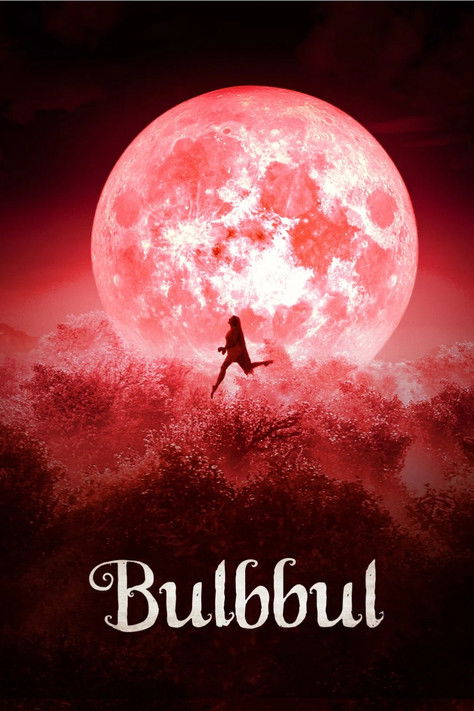
Story overview
Bulbbul is a 2020 Indian horror-fantasy thriller set in 19th-century Bengal. The story follows a young girl named Bulbbul who is married off as a child to a much older man. As she grows into womanhood, she becomes the mysterious matriarch of her household while supernatural murders of men terrorize her village. The film explores themes of patriarchy, trauma, and revenge through a supernatural lens, blending folklore with social commentary.
Parent Guide
TV-MA rating is appropriate. This is a mature horror film with intense violence, disturbing themes, and graphic content. Not suitable for viewers under 17 without parental guidance and discussion.
Content breakdown
Graphic violence including supernatural murders with blood and gore, depictions of domestic violence, physical abuse, and brutal attacks. Multiple scenes show men being violently killed by supernatural forces with visible injuries and blood. Several intense peril scenes where characters are in life-threatening situations.
Very scary and disturbing content throughout. Includes supernatural horror elements, jump scares, eerie atmosphere, and psychologically disturbing themes. The film deals with trauma, abuse, and revenge in ways that could be deeply unsettling. The child marriage premise and treatment of women is particularly disturbing.
Minimal strong language. Some period-appropriate dialogue that includes mild insults and confrontational speech. No frequent profanity.
Implied sexual violence and abuse (though not explicitly shown), references to marital relations, some sensual scenes, and partial nudity in a non-sexual context (like traditional clothing that shows shoulders). The theme of child marriage involves discussion of sexual relationships between adults and children.
Period-appropriate depiction of adults drinking alcohol in social settings, smoking of traditional tobacco products. Not a prominent element.
High emotional intensity dealing with trauma, abuse, revenge, and systemic oppression. The film explores dark psychological territory and could trigger strong emotional responses. Themes of powerlessness, transformation, and justice are handled with significant emotional weight.
Parent tips
This film contains strong horror elements, graphic violence, and mature themes including child marriage, domestic abuse, and sexual violence. It is not suitable for children or young teenagers. The supernatural elements are presented in a disturbing manner with intense scenes of peril and gore. Parents should watch this film first before considering it for older teenagers (17+), and be prepared to discuss its heavy themes of gender-based violence and trauma.
Parent chat guide
Parent follow-up questions
—
—
—
- What did you think about how the film portrayed Bulbbul's transformation from victim to powerful figure?
- How did the supernatural elements make you feel? Were they scary or more symbolic?
- What messages did you take away about justice and revenge?
- How does this film compare to other horror movies you've seen in terms of its social commentary?
🎭 Story Kernel
The film is a sharp critique of patriarchal oppression, expressed through supernatural revenge. It's not really about a witch; it's about how systemic violence against women creates monstrous consequences. Bulbbul's transformation from a child bride into the vengeful 'chudail' is driven by the collective trauma inflicted by the men of the Thakur household. Her power emerges not from myth, but from the silenced pain of generations. The real horror isn't the supernatural entity, but the mundane brutality of domestic confinement and sanctioned violence that forces her evolution. The narrative reveals how folklore often masks the real atrocities committed against women.
🎬 Visual Aesthetics
The film employs a saturated crimson palette that dominates night scenes, transforming blood from a stain of violence into an ambient atmosphere of vengeance. Cinematography uses deliberate, painterly compositions—Bulbbul often appears framed by windows or doorways, visually confined even as she gains power. The supernatural sequences avoid jump scares, opting instead for elegant, almost balletic movements that make the horror feel inevitable and righteous. Daylight scenes use softer golds and greens, creating a stark contrast between the oppressive beauty of the estate and the crimson truth of its nights.
🔍 Details & Easter Eggs
💡 Behind the Scenes
Director Anvita Dutt specifically chose the crimson color palette to represent both menstrual blood and rage, working with cinematographer Siddharth Diwan to create a distinctive 'blood moon' aesthetic. The film was shot primarily in West Bengal's heritage properties to maintain period authenticity. Tripti Dimri studied classical Indian dance movements to inform Bulbbul's graceful, unnatural gait as the chudail. The toe-ring ritual shown was researched from historical practices in certain Bengali communities.
Where to watch
Choose region:
- Netflix
- Netflix Standard with Ads
Trailer
Trailer playback is unavailable in your region.