
Burning Ojai: Our Fire Story (2020)
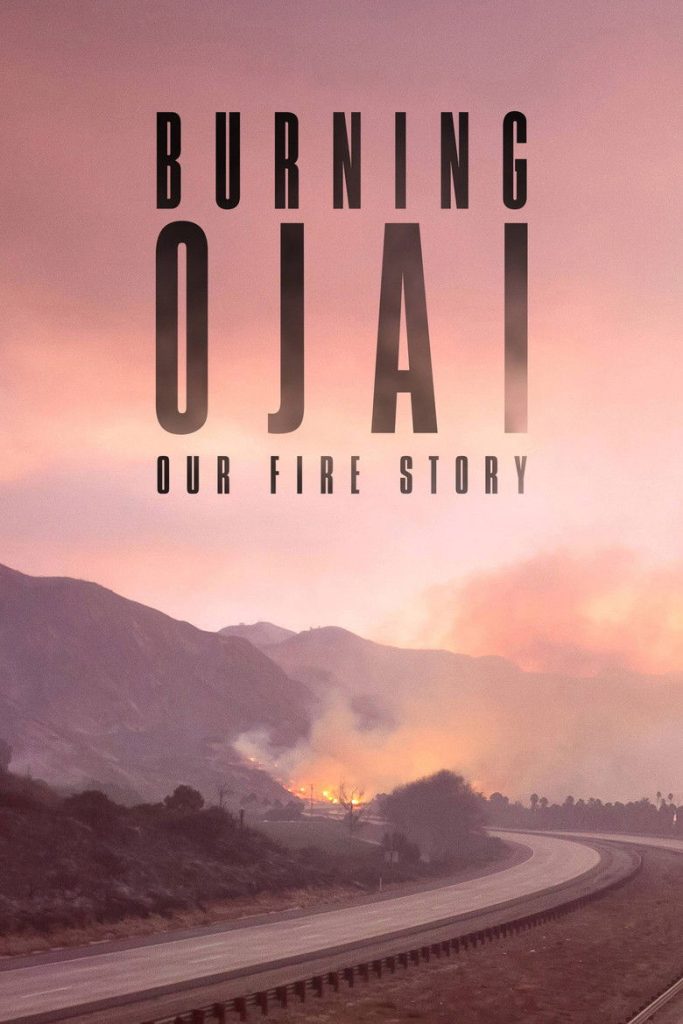
Story overview
This 40-minute documentary short follows a family and other residents of Ventura County, California, as they navigate the aftermath of the devastating 2017 California wildfires. It chronicles their experiences of loss, community destruction, and the challenging process of recovery and rebuilding, offering an intimate look at resilience in the face of natural disaster.
Parent Guide
A documentary about real wildfire devastation and recovery, suitable for older children and teens with parental guidance due to emotional intensity and disaster themes.
Content breakdown
Contains real footage of wildfires, burning landscapes, and destroyed homes. There is peril from the natural disaster, but no violent acts between people.
Scenes of widespread fire damage, charred remains of communities, and emotional interviews with survivors discussing loss and trauma. May be disturbing for sensitive viewers, especially younger children.
No offensive language noted; typical documentary dialogue.
No sexual content or nudity.
No depiction of substance use.
High emotional content as residents share stories of losing homes and belongings, with themes of grief, resilience, and community support. Can be intense but ultimately hopeful.
Parent tips
This documentary deals with real-life disaster and trauma, which may be intense for younger viewers. It's best suited for children mature enough to handle discussions about loss and community crisis. Watch together to provide context and reassurance, and be prepared to answer questions about wildfires, safety, and emotional coping. The TV-14 rating reflects thematic elements related to the fire's impact.
Parent chat guide
Parent follow-up questions
- What did the firefighters do to help?
- How can we stay safe if there's a fire?
- What does it mean to help others?
- Why do wildfires happen?
- How did the families feel when they lost their homes?
- What are some ways communities can rebuild after a disaster?
- What are the environmental factors that contribute to large wildfires?
- How does disaster recovery work at the community level?
- What emotional challenges do people face after losing everything in a fire?
- How does climate change relate to the frequency and intensity of wildfires?
- What are the long-term psychological effects on survivors of such disasters?
- How can documentary filmmaking impact public awareness and policy regarding natural disasters?
🎭 Story Kernel
Burning Ojai: Our Fire Story transcends typical disaster documentaries by focusing on the psychological and communal aftermath rather than just the spectacle of destruction. The film reveals how the 2017 Thomas Fire became a catalyst for examining California's complex relationship with nature, development, and collective trauma. Characters are driven not by heroics but by vulnerability—the need to rebuild identity when physical landmarks vanish. The real conflict emerges in the tension between those who want to fortify against future fires and those advocating for ecological acceptance of fire's natural role. Ultimately, it's about finding meaning in ashes and questioning whether 'recovery' means returning to what was or building something new.
🎬 Visual Aesthetics
The cinematography employs a stark contrast between the vibrant, sun-drenched Ojai Valley before the fire and the monochromatic grays and blacks of the aftermath, creating visual whiplash that mirrors emotional trauma. Handheld camera work during interviews lends intimacy and urgency, while sweeping drone shots of scarred landscapes evoke both devastation and strange beauty. The film's most powerful visual motif is the recurring close-up on hands—touching charred remains, planting new growth, pointing to lost landmarks—making the physical connection to place tangible. Color gradually returns to the palette as the community rebuilds, with deliberate focus on green sprouts against blackened earth.
🔍 Details & Easter Eggs
💡 Behind the Scenes
The film was shot over three years by director Michelle Grace Steinberg, who lost her own home in the fire and initially began filming as personal therapy. Many subjects are non-actors—real residents who experienced the fire, with some scenes captured on smartphones during actual evacuations. The haunting score incorporates sounds recorded from fire-damaged pianos rescued from destroyed homes. Notably, the production team included former firefighters who provided both safety oversight and authentic perspective, with one becoming a key interview subject about firefighter trauma.
Where to watch
Choose region:
- HBO Max
- HBO Max Amazon Channel
Trailer
Trailer playback is unavailable in your region.