
Burning Patience (2022)
Story overview
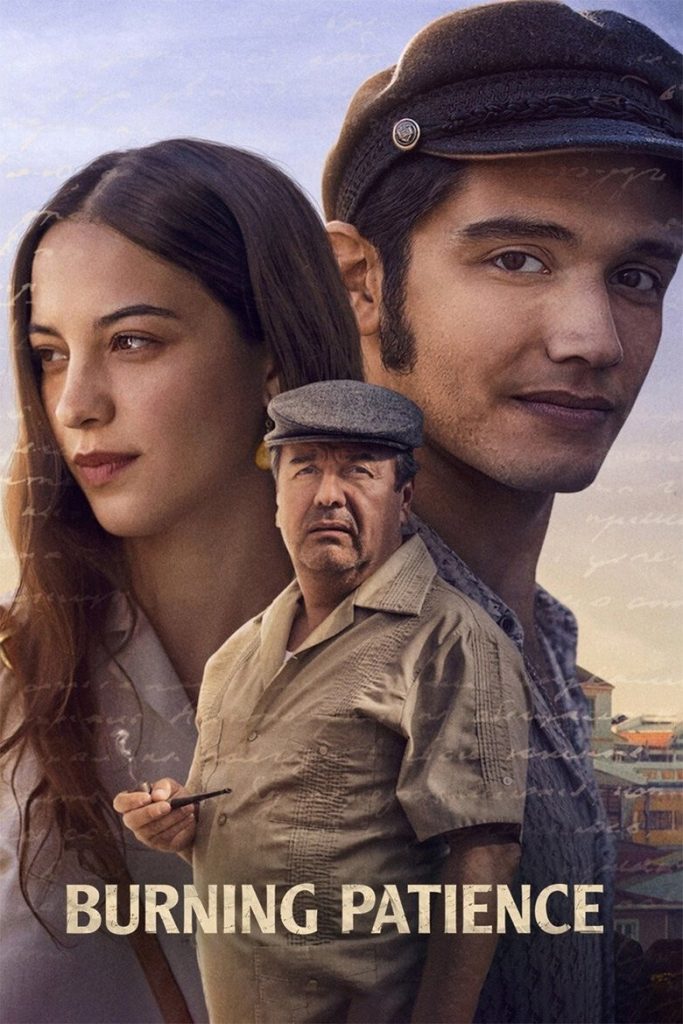
Burning Patience is a 2022 Chilean romantic drama about Mario, a young fisherman with poetic aspirations who becomes the postman for exiled poet Pablo Neruda. Set against the backdrop of political exile and personal growth, the film explores themes of mentorship, artistic passion, and the transformative power of literature as Mario navigates his dreams and relationships.
Parent Guide
A thoughtful, character-driven drama with educational value about literature and history. Best for mature children who can appreciate slower pacing and thematic depth.
Content breakdown
No physical violence shown. Some tense moments related to political unrest and the dangers of exile are implied through dialogue and atmosphere, but not depicted graphically.
Themes of political oppression and exile might be unsettling for sensitive viewers. Some emotional scenes involving separation and longing, but nothing visually frightening.
Occasional mild expressions in Spanish (with English subtitles). No strong profanity or offensive language.
Romantic themes include kissing and affectionate embraces. No nudity or explicit sexual content. The focus is on emotional connection rather than physical intimacy.
No depiction of alcohol, tobacco, or drug use by main characters. Social drinking might be briefly shown in background scenes but not emphasized.
Emotional themes of exile, artistic struggle, and romantic longing create a poignant atmosphere. Some scenes of emotional vulnerability and personal growth that might resonate deeply with sensitive viewers.
Parent tips
This film offers a gentle introduction to historical and literary themes suitable for mature children and teens. Parents should note the political context of exile and dictatorship, which may require explanation. The romance is tender and age-appropriate, focusing on emotional connection rather than physicality. The film's pacing is contemplative, which might challenge younger viewers' attention spans.
Parent chat guide
Parent follow-up questions
- What did Mario want to be when he grew up?
- What kind of letters did Mario deliver?
- How did Mario and his friend help each other?
- Why was Pablo Neruda living away from his home?
- How did writing poetry help Mario express his feelings?
- What did Mario learn about friendship from his experiences?
- How does the film show the importance of mentors in our lives?
- What historical events are hinted at in the movie?
- How does Mario balance his practical job with his artistic dreams?
- Analyze how the film portrays political exile and its personal consequences.
- Discuss the film's representation of artistic inspiration versus political reality.
- How does the romantic relationship develop alongside the mentorship theme?
🎭 Story Kernel
At its core, 'Burning Patience' explores how personal expression becomes political resistance under dictatorship. Mario's journey from lovestruck postman to Pablo Neruda's literary apprentice reveals how poetry isn't just romantic decoration but essential oxygen for the human spirit in oppressive times. The film masterfully shows how Neruda's words transform Mario from a passive observer to an active participant in his own life, ultimately demonstrating that the most dangerous thing a dictatorship can face isn't weapons but awakened imaginations. When Mario begins writing his own poetry, he's not just courting Beatriz—he's claiming his right to exist as a thinking, feeling human being.
🎬 Visual Aesthetics
Director Antonio Skármeta crafts a visual language where Chile's landscapes become characters themselves. The cinematography contrasts the sun-drenched coastal village with increasingly shadowy interiors as Pinochet's regime tightens its grip. Notice how Neruda's house evolves from welcoming literary salon to fortress-like refuge. The camera lingers on handwritten pages as if they're sacred objects, while the recurring motif of the sea represents both freedom and isolation. Most powerfully, the film uses fire imagery—from the literal burning of books to the metaphorical 'burning patience' of the title—to visualize how ideas can't be extinguished, only transformed.
🔍 Details & Easter Eggs
💡 Behind the Scenes
The film adapts Antonio Skármeta's own novel 'Ardiente Paciencia,' which was inspired by his exile from Chile during Pinochet's regime. Lead actor Oscar Castro had never acted professionally before being cast as Mario, bringing raw authenticity to the role. Filming occurred in the actual coastal regions Neruda loved, with several scenes shot near the poet's real homes. The production faced challenges recreating 1970s Chile, using vintage postal equipment and carefully sourcing period-appropriate books that would have been banned during the dictatorship.
Where to watch
Choose region:
- Netflix
- Netflix Standard with Ads