
Burnout (2026)
Story overview
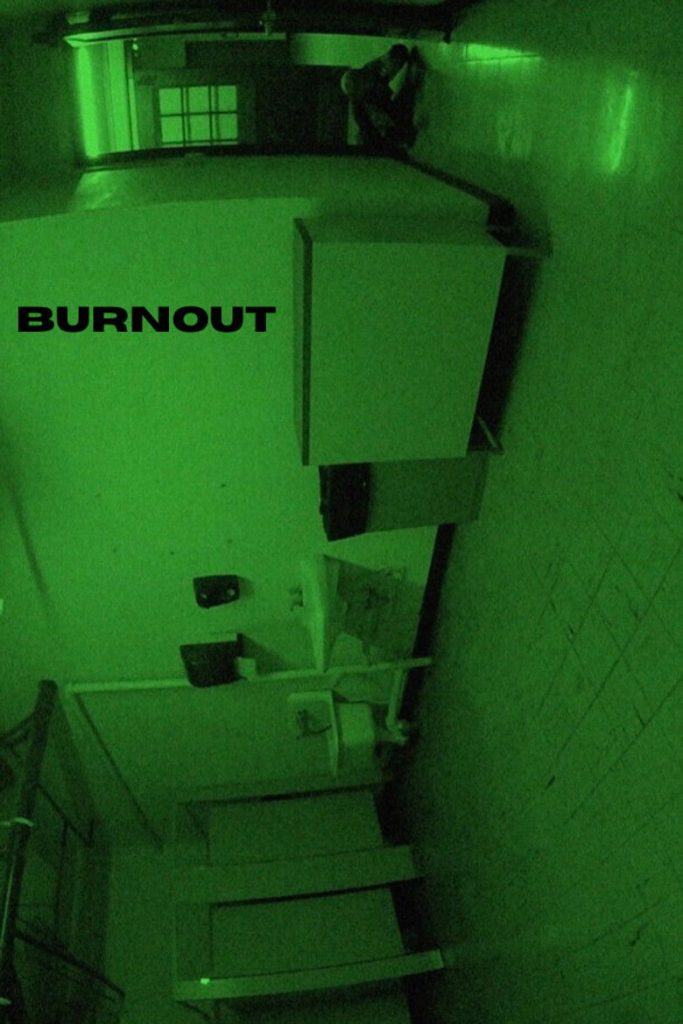
Burnout is a 2026 comedy short film directed by Wes Donnelly, who also stars alongside Luc Gilchrist and Vince Bonanni. The film humorously explores the theme of creative exhaustion, reflecting the director's personal experience of feeling drained during a semester. With a runtime of only 6 minutes, it offers a lighthearted, relatable take on the struggles of maintaining creativity under pressure, likely appealing to viewers who have faced similar challenges in school or work.
Parent Guide
Burnout is a very mild, family-friendly comedy short with no concerning content. Its focus on creative exhaustion is presented humorously and non-threateningly, making it appropriate for viewers as young as 8. The short runtime ensures it's easily digestible, and it can be a useful tool for discussing stress management with children.
Content breakdown
No violence, peril, or dangerous situations are depicted. The film centers on emotional and creative struggles without physical conflict.
Nothing scary or disturbing; the tone is light and comedic throughout, with no intense or frightening elements.
No offensive or strong language is expected, given the comedy genre and lack of a rating suggesting otherwise. Dialogue is likely clean and suitable for all ages.
No sexual content, nudity, or romantic themes; the film focuses solely on creative exhaustion in a platonic, non-romantic context.
No depiction of alcohol, drugs, or tobacco use; the content is centered on personal and creative challenges without substance-related themes.
Mild emotional intensity related to feelings of burnout and exhaustion, but presented in a humorous, low-stakes way that shouldn't be distressing. It may resonate with viewers who have experienced similar stress.
Parent tips
This short comedy is suitable for most children due to its brief runtime and non-threatening content. It can serve as a conversation starter about managing stress and creative blocks in a healthy way. Parents might watch it with their kids to discuss how to handle feelings of burnout, especially in academic or creative pursuits. Since it's based on personal experience, it offers an authentic perspective that older children and teens may find relatable.
Parent chat guide
Parent follow-up questions
- What was your favorite part of the movie?
- Did it make you laugh? Why?
- How do you feel when you're tired from playing or learning?
- What does 'burnout' mean to you after watching this?
- Have you ever felt too tired to be creative? What helped?
- Why do you think the characters felt exhausted?
- How does the film show creative exhaustion in a funny way?
- What strategies could the characters use to avoid burnout?
- Do you relate to the theme? How does it apply to school or hobbies?
- How effectively does the short film portray the semester's stress?
- What real-life parallels do you see in your own creative or academic life?
- Discuss the balance between pushing through challenges and taking breaks to prevent burnout.
Where to watch
Streaming availability has not been announced yet.