
Bury My Heart at Wounded Knee (2007)
Story overview
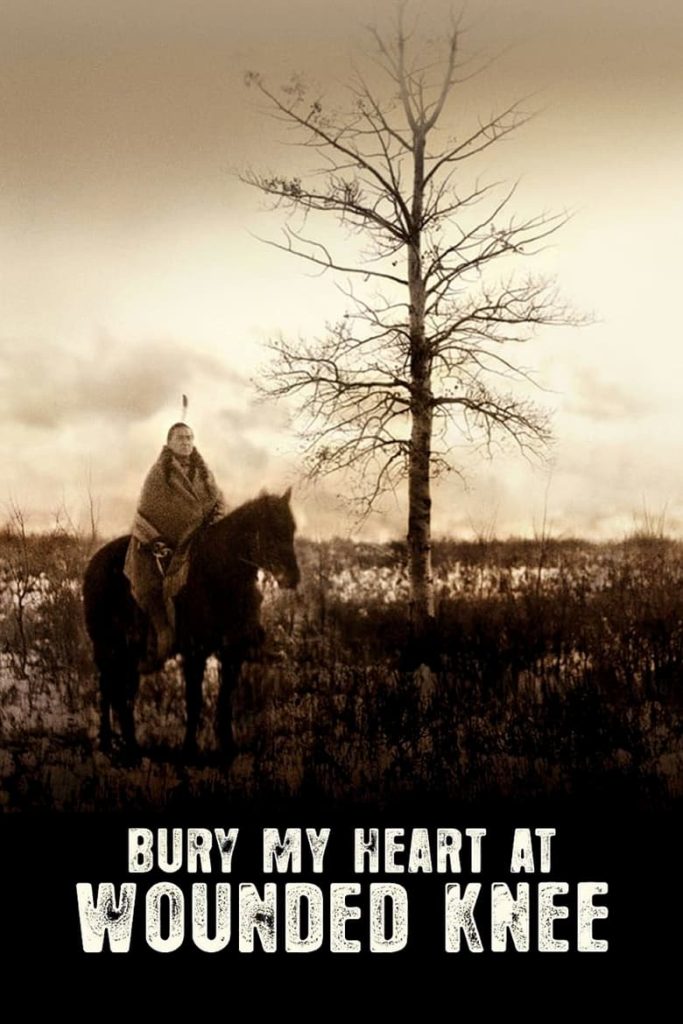
Bury My Heart at Wounded Knee is a 2007 historical drama that explores the tragic aftermath of the Battle of Little Bighorn through two perspectives: Charles Eastman, a Sioux doctor educated in white society who becomes a symbol of assimilation, and Sitting Bull, the Lakota chief who led his people to their last major victory. The film depicts the forced displacement of Native American tribes, broken treaties, cultural erasure, and the devastating 1890 Wounded Knee massacre, offering a poignant look at this painful chapter in American history.
Parent Guide
A historically significant but emotionally intense depiction of the displacement and suffering of Native American tribes in the late 19th century. Contains graphic violence and mature themes that require parental guidance for viewers under 13.
Content breakdown
Graphic battle scenes with gunfire, blood, and casualties. Depictions of massacres including the Wounded Knee massacre showing soldiers firing on unarmed men, women, and children. Scenes of forced relocation with violence against civilians. Dead bodies shown. Moderate to strong intensity throughout.
Disturbing themes of cultural genocide, forced assimilation, and betrayal. Emotional scenes of families being separated, children taken to boarding schools, and communities destroyed. Graphic depictions of historical atrocities. The overall tone is somber and tragic.
Period-appropriate language with occasional mild profanity. Some derogatory terms used historically toward Native Americans. No strong modern profanity.
No sexual content or nudity. Some non-sexual scenes of Native American cultural practices that involve traditional dress.
Historical depictions of alcohol use in social contexts. Some scenes show characters drinking in saloons or during treaty negotiations. No glorification of substance abuse.
High emotional intensity throughout. Themes of loss, betrayal, cultural destruction, and genocide. Characters experience profound grief, anger, and despair. The film's tragic narrative and historical weight create sustained emotional impact.
Parent tips
This film contains intense historical violence including battle scenes, massacres, and emotional suffering. It deals with themes of cultural destruction, betrayal, and genocide. While educational, it may be too distressing for younger viewers. Parents should be prepared to discuss the historical context and provide emotional support during and after viewing. The film's mature themes require guidance for viewers under 13.
Parent chat guide
Parent follow-up questions
—
- What did you notice about how the Native American people lived?
- How did you feel when you saw people being forced to leave their homes?
- What do you think it means to keep a promise?
- Why do you think the government wanted Native Americans to change their way of life?
- How did Charles Eastman feel about being caught between two cultures?
- What were the consequences of broken treaties?
- What does 'Wounded Knee' represent in this story?
- How does this film challenge traditional narratives of American westward expansion?
- What parallels can you draw between historical assimilation policies and modern cultural issues?
- How did the film portray the psychological impact of cultural destruction?
- What responsibility do governments have toward indigenous populations today?
- How does media representation of historical events shape our understanding of them?
🎭 Story Kernel
The film is less about the grand, violent clash of civilizations and more about the slow, bureaucratic suffocation of a people. It expresses the core tragedy of the American West: not just the loss of land, but the systematic dismantling of a worldview. The characters are driven by a desperate, often futile, attempt to navigate an impossible choice: assimilation into a society that views them as subhuman, or resistance against an inexorable military and legal machine. Charles Eastman's journey from traditional Sioux life to Dartmouth and medical practice becomes the central metaphor for this internal colonization, while Sitting Bull's defiance represents the soul refusing to be erased, even as the body is broken.
🎬 Visual Aesthetics
The visual language is one of stark, mournful contrast. Wide, desolate landscapes emphasize the scale of loss and isolation, while intimate, shadowy interiors in government offices and cabins feel claustrophobic, trapping the characters in a web of paperwork and bad faith. The color palette leans into earth tones and washed-out blues, mirroring the fading vitality of the Plains. Key symbolic visuals include the recurring image of documents—treaties, ledgers, maps—which carry more destructive power than any cannon. The final massacre at Wounded Knee is not glorified as action but presented with a chilling, matter-of-fact horror, its brutality amplified by the preceding quiet tension.
🔍 Details & Easter Eggs
💡 Behind the Scenes
The film is an adaptation of Dee Brown's seminal 1970 history book, but condenses decades of complex history into a personal narrative. Actor Adam Beach, who portrays Charles Eastman, is of Saulteaux First Nations descent, bringing personal resonance to the role of a man caught between worlds. Notably, much of the filming for the Plains and reservation scenes took place in Alberta, Canada, standing in for the Dakota territories. The production consulted extensively with Lakota historians and descendants of the figures portrayed to ensure cultural accuracy in dialogue and ceremony depictions.
Where to watch
Choose region:
- HBO Max
- HBO Max Amazon Channel
- Amazon Video
- Apple TV Store
- Google Play Movies
- YouTube
- Fandango At Home
Trailer
Trailer playback is unavailable in your region.