
Busted Water Pipes (2026)
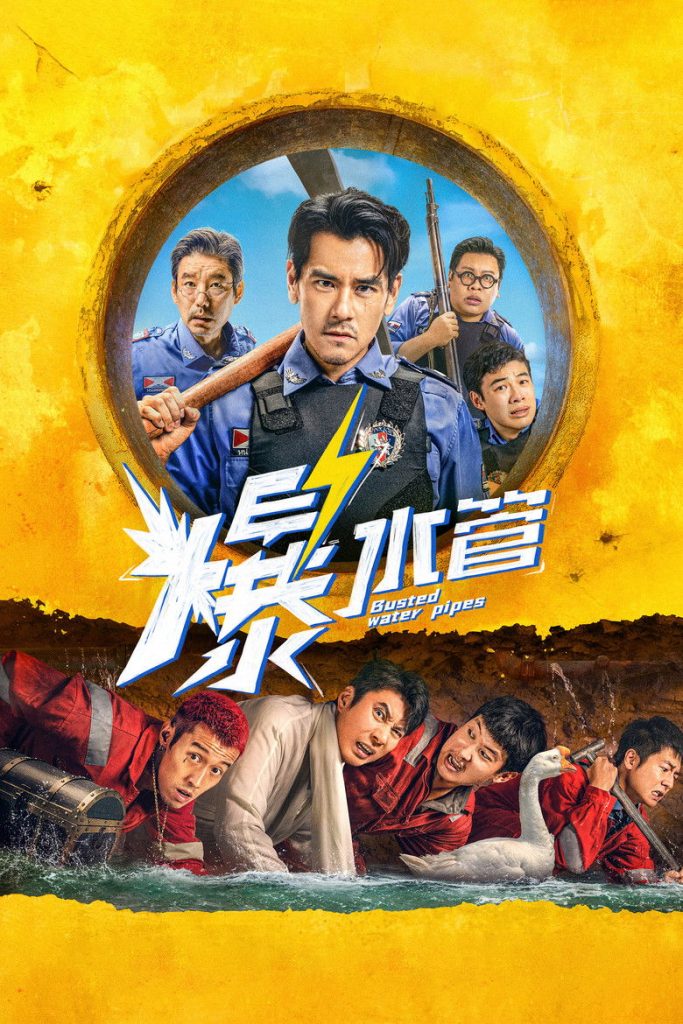
Story overview
In this Chinese comedy-crime film, a dedicated police officer who has maintained a perfect crime-free record faces the threat of losing his job due to lack of cases. To save his position, he decides to create a fake major crime, unaware that real grave robbers are secretly planning to loot a treasure-filled tomb located directly beneath his police station, setting up a humorous collision of fabricated and actual criminal activity.
Parent Guide
Lighthearted comedy suitable for most children, focusing on workplace humor and absurd situations rather than realistic crime. The fabricated crime plot serves as comedic premise without glorifying illegal behavior.
Content breakdown
No physical violence depicted. Some comedic peril related to the officer's fabricated crime scheme and the grave robbers' plans, but all presented in farcical, non-threatening manner. No weapons shown or used.
No scary or disturbing content. Grave robbery theme is treated comically rather than seriously. No horror elements, jump scares, or disturbing imagery.
No offensive language expected in this family-friendly comedy. Mild workplace frustration expressions at most.
No sexual content, romantic subplots, or nudity. Focus is entirely on workplace comedy and crime farce.
No depiction of alcohol, drugs, or tobacco use. Characters are focused on work-related situations.
Light comedic tension related to job security and comedic misunderstandings. No intense emotional scenes. The officer's job concerns are played for laughs rather than drama.
Parent tips
This comedy focuses on workplace humor and absurd situations rather than realistic crime. The fabricated crime plot serves as comedic premise, not a guide to illegal behavior. The grave robbery elements are presented as farcical rather than disturbing. No actual violence or peril is depicted - the humor comes from the officer's desperate attempts to create a case while real criminals operate nearby.
Parent chat guide
Parent follow-up questions
- What was the funniest part of the movie?
- Why did the police officer want to find a crime?
- What was special about the treasure?
- Why was it wrong for the officer to make up a crime?
- How could he have solved his job problem differently?
- What's the difference between finding treasure and stealing it?
- What does this movie say about workplace pressure and ethics?
- How does the comedy make serious topics like crime and job loss funny?
- What responsibilities do police officers have to the truth?
- Analyze how the film uses satire to comment on bureaucratic systems.
- Discuss the ethical implications of fabricating evidence versus actual criminal activity.
- How does cultural context (Chinese setting) influence the workplace humor and police portrayal?
Where to watch
Streaming availability has not been announced yet.
Trailer
Trailer playback is unavailable in your region.