
By Design: The Joe Caroff Story (2022)
Story overview
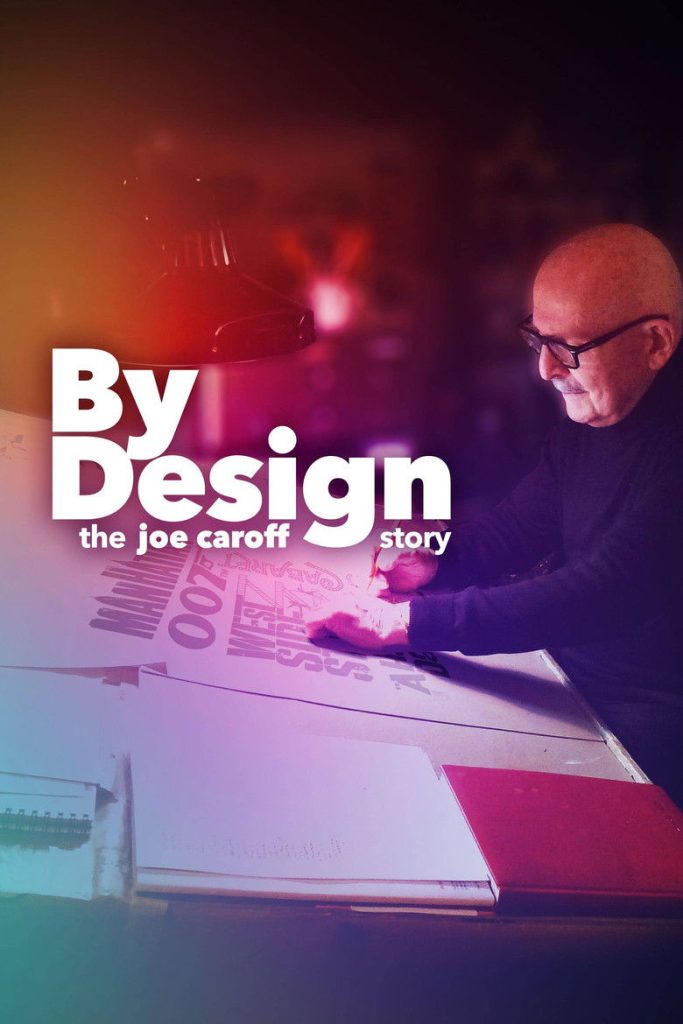
This documentary profiles Joe Caroff, a highly influential graphic designer whose work includes iconic logos, book covers, and movie title treatments for classics like West Side Story and James Bond. The film features Caroff himself, now over 100 years old, sharing his life story from growing up during the Great Depression to serving in WWII, along with interviews with his wife and colleagues.
Parent Guide
Educational documentary suitable for all ages with positive messages about creativity and perseverance. No concerning content.
Content breakdown
No violence or peril depicted. Brief mentions of WWII service but no combat scenes.
Nothing scary or disturbing. Historical references to Depression and war are discussed factually without graphic details.
No offensive language noted.
No sexual content or nudity.
No depiction of substance use.
Mild emotional moments when discussing historical hardships or celebrating achievements, but overall calm and informative tone.
Parent tips
This documentary is suitable for most ages due to its educational and historical focus. It provides positive role models in creativity and perseverance. Parents may want to watch with younger children to explain historical contexts like the Great Depression and WWII, though these topics are discussed briefly and without graphic detail. The film celebrates artistic achievement and long-term relationships.
Parent chat guide
Parent follow-up questions
- What colors and shapes did you see in the movie?
- What job did Joe have?
- What is your favorite logo or picture from the film?
- What is graphic design?
- How did Joe's childhood during the Depression affect him?
- Why are logos important for movies and companies?
- How did WWII influence Joe's life and career?
- What makes a logo or title design memorable?
- How has graphic design changed since Joe started working?
- Analyze the cultural impact of Caroff's most famous designs.
- Discuss how historical context shapes artistic expression.
- What does Caroff's career reveal about the evolution of media and branding?
🎭 Story Kernel
The film isn't just a biography of Joe Caroff, the graphic designer behind iconic logos like 'James Bond' and 'Saturday Night Live.' It's a poignant exploration of the creative soul who lives in the shadows of his own work. The narrative is driven by Caroff's quiet, persistent quest for recognition in an industry that often treats designers as anonymous craftsmen. We see his internal conflict between professional pride in his universally recognized creations and personal frustration at his lack of public fame. The movie's core theme examines the bittersweet reality of artistic legacy—how one can shape visual culture for generations while remaining virtually unknown to the audience that interacts with that culture daily.
🎬 Visual Aesthetics
The documentary employs a clean, graphic visual style that mirrors Caroff's own design principles. Interviews are framed with precise composition, often against backdrops featuring his iconic work, visually reinforcing how his creations overshadow the man. Archival footage and photographs are presented with sharp clarity, emphasizing the enduring quality of his designs. The color palette is deliberately restrained, using bold blocks of color reminiscent of 1970s graphic design—the era of many of his breakthroughs. This aesthetic choice subtly comments on how Caroff's work defined an era's visual language. The camera frequently lingers on his hands sketching, highlighting the physical, human act behind seemingly digital-perfect logos.
🔍 Details & Easter Eggs
💡 Behind the Scenes
The documentary faced a unique challenge: Caroff himself was notoriously private and had destroyed many of his early sketches and process work. Much of the 'archival' material was actually painstakingly recreated by contemporary designers studying his surviving pieces to match his style. The production team tracked down the original physical film prints of movies featuring his title sequences to capture the authentic grain and color of his work as audiences first saw it. Notably, several interviews with older colleagues were conducted in the actual New York advertising offices where Caroff worked in the 1960s and 70s, the environments subtly decaying around them as they spoke, mirroring the fading memory of that era of design.
Where to watch
Choose region:
- HBO Max
- HBO Max Amazon Channel