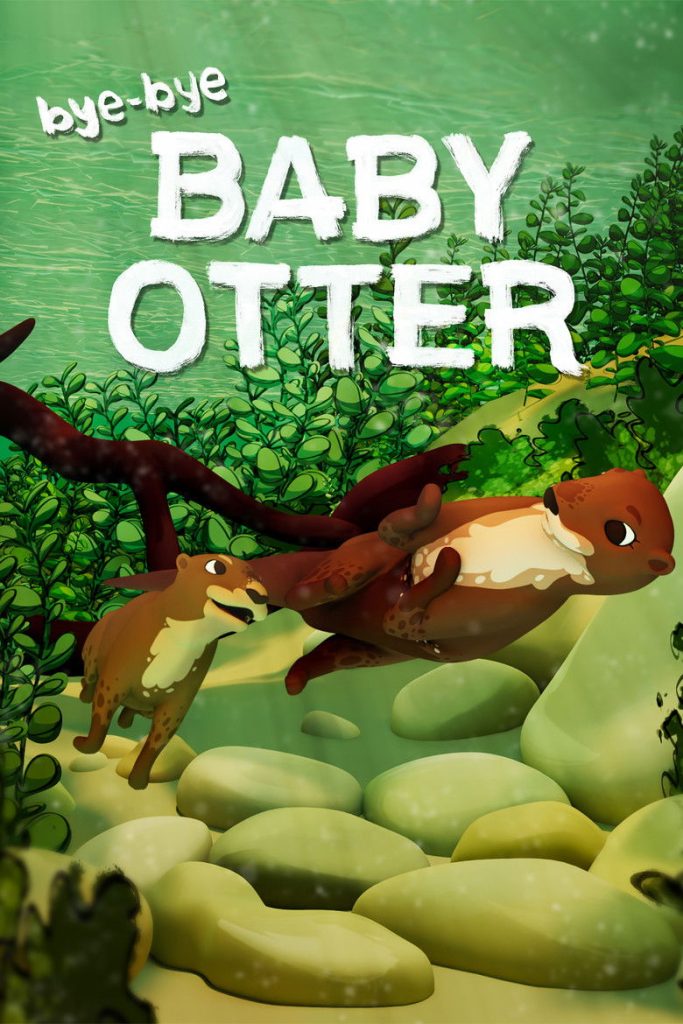
Bye-Bye Baby Otter (2026)

Released: 2026-01-31 Recommended age: 3+ No IMDb rating yet
Bye-Bye Baby Otter

Movie details

  • Director: Nathanael Shoemaker
  • Country / region: United States of America
  • Original language: en
  • Premiere: 2026-01-31

Story overview

Bye-Bye Baby Otter is a gentle 5-minute animated short that explores the emotional journey of a mother otter as she prepares her baby for independence. Through beautiful 3D animation, the film portrays the natural progression of growth and separation in the animal world, offering a tender metaphor for human parenting experiences.

Parent Guide

A gentle, family-friendly animated short with positive themes about growth, independence, and parental love. Suitable for all ages with no concerning content.

Content breakdown

Violence & peril
None

No violence, fighting, or dangerous situations. The baby otter experiences natural learning challenges in a safe environment.

Scary / disturbing
None

Nothing frightening or disturbing. The animation is bright and cheerful throughout.

Language
None

No dialogue or written language in the film.

Sexual content & nudity
None

No sexual content or nudity. The otters are depicted naturally but without any inappropriate elements.

Substance use
None

No references to or depiction of alcohol, drugs, or tobacco.

Emotional intensity
Mild

Mild emotional moments related to separation and growth that are handled gently and positively. Some children might relate to feelings of both excitement and nervousness about trying new things.

Parent tips

This film provides an excellent opportunity to discuss growing up, independence, and the mixed emotions parents and children feel during transitions. The short runtime makes it perfect for young attention spans. Consider watching together and talking about how both the mother and baby otter might be feeling at different points.

Parent chat guide

After watching, you might say: 'That mama otter seemed both proud and a little sad when her baby swam alone. Have you ever felt proud about learning something new? How do you think parents feel when their children learn to do things independently?' This can lead to conversations about milestones, safety, and the balance between protection and freedom.

Parent follow-up questions

  • What was your favorite part about the baby otter?
  • How did the mama otter help her baby learn to swim?
  • Have you ever learned to do something new like the baby otter?
  • Why do you think the mama otter was hesitant to let her baby swim alone?
  • What does this story tell us about growing up?
  • How do you think the baby otter felt when it swam for the first time?
  • What emotions do you think the mother experienced throughout the film?
  • How is the otters' experience similar to or different from human parenting?
  • What does 'letting go' mean in the context of this story?
  • How does this film use animal behavior as a metaphor for human experiences?
  • What does the film suggest about the balance between protection and independence?
  • How might different cultures interpret the theme of separation in this story?
⚠️ Deep Film Analysis (Contains Spoilers) · Click to Expand
A heartbreaking tale of parental love and sacrifice disguised as a simple animal story.

🎭 Story Kernel

The film's core theme explores the brutal reality of nature versus the human desire to protect innocence. While superficially about an otter mother losing her pup, it's really a meditation on parental grief and the acceptance of life's harsh cycles. The mother otter's relentless search isn't driven by hope of reunion but by the inability to let go, mirroring human experiences of loss. The ending, where she finally swims away, represents not abandonment but the painful wisdom that survival sometimes requires leaving what you love behind. The human characters' parallel storylines emphasize how we project our own fears of loss onto nature.

🎬 Visual Aesthetics

Director Lee Ji-won employs a distinctive blue-gray color palette that creates a melancholic, almost underwater atmosphere even in terrestrial scenes. The camera lingers on close-ups of the otter's eyes, creating emotional intimacy while avoiding anthropomorphism. Water is shot with a documentary-like realism—murky, cold, and indifferent—contrasting with typical nature film glamorization. The action sequences use shaky, handheld shots during the separation scene, mimicking disorientation and panic. Symbolically, the recurring image of rushing water represents both the passage of time and the unstoppable force of natural selection.

🔍 Details & Easter Eggs

1
In the opening scene, the mother otter briefly loses sight of her pup while hunting—this subtle moment foreshadows the permanent separation that occurs later in the film.
2
The human father character wears a faded otter-themed sweater throughout, visually connecting his story about his daughter leaving for college with the otter narrative.
3
During the final swimming scene, a single air bubble rises from where the pup disappeared—a minimalist metaphor for memory and the ephemeral nature of life.

💡 Behind the Scenes

Lead otter 'Maru' was played by three different rescued Asian small-clawed otters from a Korean wildlife sanctuary, with trainers using scent markers to maintain character consistency. The river scenes were filmed in the Nakdong River during autumn, requiring special permits due to protected species in the area. Director Lee spent two years observing otters in captivity before filming, insisting on natural lighting only. The film's minimal score features traditional Korean instruments played underwater to achieve the distinctive muffled quality.

Where to watch

Streaming availability has not been announced yet.

SkyMe App
SkyMe Guide Download on the App Store
VIEW