
Cactus Flower (2017)
Story overview
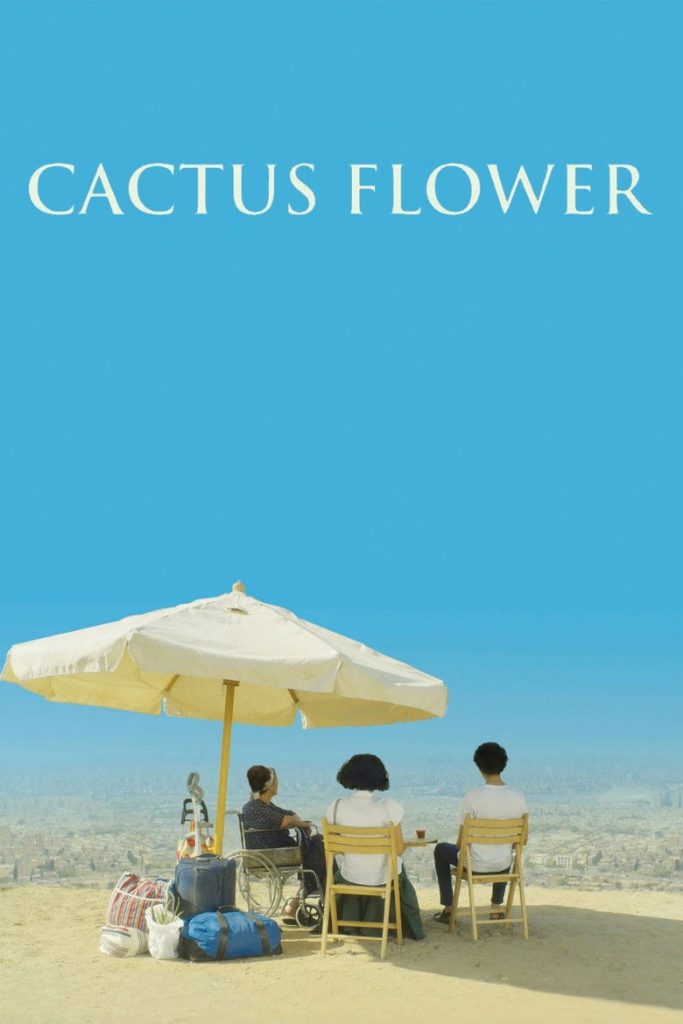
Cactus Flower is a 2017 drama film that explores themes of resilience and personal growth. The story likely follows characters navigating emotional challenges and relationships. As a TV-14 rated drama, it may contain content suitable for mature audiences.
Parent Guide
A TV-14 drama likely containing mature themes suitable for viewers 14 and older with parental guidance.
Content breakdown
May contain dramatic tension or emotional conflicts typical of the genre.
Could include emotionally intense scenes or challenging situations.
May contain mild language appropriate for TV-14 rating.
Could include romantic themes or mild references typical of dramas.
No specific information provided about substance use.
Drama genre suggests emotional themes and character development.
Parent tips
This TV-14 drama may contain material that parents might find unsuitable for children under 14. Consider previewing the film or watching together with older children to discuss any mature themes that arise. The dramatic nature suggests emotional content that could benefit from parental guidance.
Parent chat guide
Parent follow-up questions
- What was your favorite part of the movie?
- How did the characters show they cared about each other?
- What colors or sounds did you notice in the movie?
- Did any parts make you feel happy or sad?
- What would you do if you were in the story?
- What problem did the main character face?
- How did the characters solve their problems?
- What did you learn about friendship from this movie?
- Which character would you want to be friends with and why?
- What would you do differently than the characters?
- What themes about growing up did you notice in the film?
- How did the characters show resilience during tough times?
- What realistic aspects of the story stood out to you?
- How might this story relate to real-life situations?
- What message do you think the filmmakers wanted to share?
- How does this film portray emotional maturity and personal growth?
- What societal or personal issues does the drama explore?
- How effective were the character developments throughout the story?
- What cinematic techniques enhanced the dramatic elements?
- How does this film compare to other dramas you've seen?
🎭 Story Kernel
The film's core theme explores how artificial constructs—in this case, a fabricated wife—can paradoxically nurture authentic relationships. Julian's lie about being married to avoid commitment backfires when Toni demands to meet his 'wife,' forcing him to recruit his nurse Stephanie. What drives the characters isn't love initially, but convenience: Julian wants freedom without guilt, Toni wants validation through marriage, and Stephanie wants escape from her rigid life. The brilliance lies in how these selfish motivations, through collision, create genuine connection. The film argues that sometimes truth emerges not from honesty, but from the friction between competing fictions.
🎬 Visual Aesthetics
The visual language is a masterclass in 1969 New York chic, using color to track emotional evolution. Early scenes with Toni are bathed in modish yellows and oranges—vibrant but artificial, mirroring her performative youthfulness. Stephanie's world is initially cool blues and sterile whites of her apartment and dental office, reflecting her controlled loneliness. As the farce progresses, these palettes bleed together in shared spaces like Julian's apartment. The camera often frames characters through doorways or reflections, visually trapping them in their own deceptions. Costuming tells its own story: Toni's progressively more conservative outfits as she matures, Stephanie's sudden burst of color when she 'becomes' the wife.
🔍 Details & Easter Eggs
💡 Behind the Scenes
Goldie Hawn won the Oscar for Best Supporting Actress for this role, despite having only 15 minutes of screen time—one of the shortest performances ever awarded. The film was adapted from a Broadway play that itself was adapted from a French play. Walter Matthau reportedly disliked the physical comedy required, particularly the scene where he hides in the bathroom, finding it beneath his dramatic training. The dental office scenes were shot in a real Park Avenue practice, with the dentist playing a cameo as a patient.
Where to watch
Choose region:
- Netflix
- Netflix Standard with Ads
Trailer
Trailer playback is unavailable in your region.