
Cake (2021)
Story overview
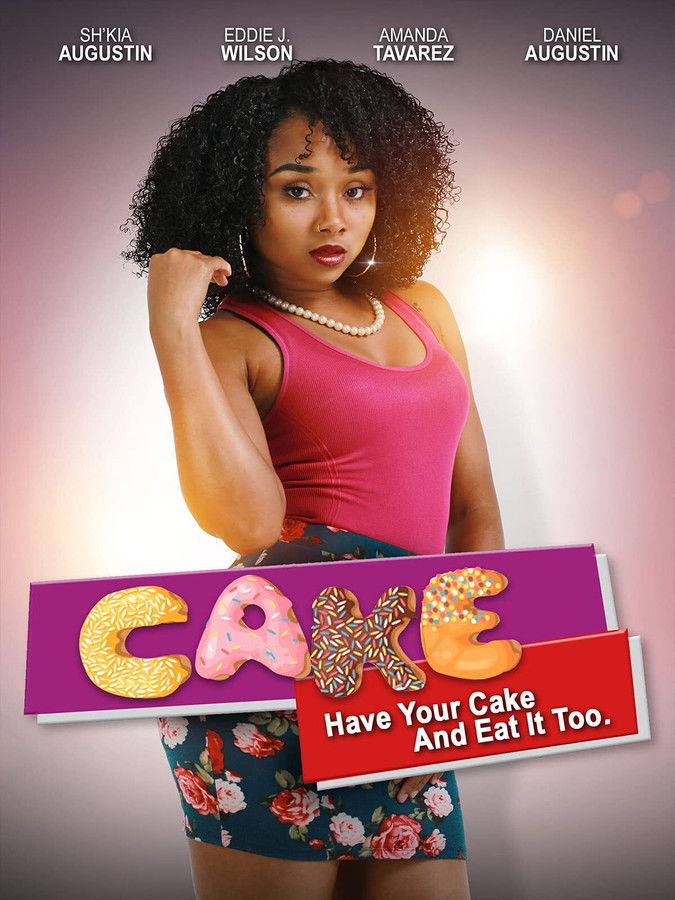
Cake is a 2021 comedy-drama film. The story likely follows characters navigating humorous and heartfelt situations, blending lighthearted moments with emotional depth. As a comedy-drama, it may explore relationships, personal growth, or everyday challenges in an engaging way.
Parent Guide
A family-friendly comedy-drama suitable for most ages with parental guidance for younger viewers.
Content breakdown
May include minor comedic conflicts or tense situations typical of the genre.
Could contain mildly emotional or dramatic moments that might be intense for very young children.
May include mild language appropriate for a general audience comedy-drama.
No sexual content expected in a family-oriented comedy-drama.
No substance use expected in this type of film.
Contains emotional moments common to drama elements, balanced with comedy.
Parent tips
This comedy-drama is suitable for family viewing with some guidance. The blend of humor and drama may present opportunities to discuss emotions, relationships, and problem-solving. Consider watching together to help younger viewers process any emotional moments that arise.
Prepare for themes common to the genre, such as friendship, family dynamics, or personal challenges. The comedy elements should provide balance to any dramatic content. This film could serve as a conversation starter about handling life's ups and downs.
Parent chat guide
Discuss how the movie balanced comedy and drama. Ask which moments made them laugh and which made them think. Relate the themes to your family's values when appropriate.
Encourage your child to share their perspective on the story's messages. Listen actively and validate their feelings about the film's emotional moments.
Parent follow-up questions
- What was your favorite funny part in the movie?
- How did the characters help each other?
- What colors or sounds did you like best?
- Can you tell me about one nice thing someone did?
- What made you smile while watching?
- What problem did the main characters face?
- How did humor help in difficult situations?
- Which character would you want as a friend and why?
- What lesson could someone learn from this story?
- How did the characters show they cared about each other?
- How did the movie balance comedy and drama effectively?
- What would you have done differently in the main character's situation?
- How did relationships between characters change throughout the story?
- What real-life situations does this movie remind you of?
- What made the characters believable or relatable to you?
- How does this film compare to other comedy-dramas you've seen?
- What commentary might the film be making about human relationships?
- How effectively did the storytelling techniques serve the themes?
- What aspects of the characters' development felt most authentic?
- How might different audiences interpret the film's messages differently?
🎭 Story Kernel
At its core, 'Cake' is less about chronic pain and more about the psychological architecture of grief. Claire Bennett's physical agony is a tangible manifestation of her emotional paralysis following the death of her son. The film argues that profound loss doesn't just hurt; it rewires your entire being, making you a stranger to your former self and to societal norms of mourning. Her abrasive, self-destructive behavior is a desperate, flawed control mechanism in a life where control was violently stripped away. The narrative drive isn't a quest for healing, but a slow, painful excavation of the self that remains after a foundational piece has been obliterated.
🎬 Visual Aesthetics
The film's visual language is one of stark, unflinching realism, mirroring Claire's detached perspective. The camera often lingers in static, medium shots, refusing to look away from her discomfort. The color palette is dominated by muted, washed-out tones—beiges, pale blues, and clinical whites—that reflect her emotional flatline. Notable is the absence of traditional 'flashbacks'; memories of her son and the accident are presented as hazy, almost ghostly visions, suggesting they are intrusive, painful fragments rather than nostalgic recollections. The visual style rejects melodrama, grounding the story in a tangible, aching present.
🔍 Details & Easter Eggs
💡 Behind the Scenes
Jennifer Aniston, seeking a drastic departure from her comedic roles, underwent significant physical preparation, including consultations with chronic pain specialists to authentically portray Claire's posture and movement. The prosthetic scarring on her back and neck was applied daily in a multi-hour process. Director Daniel Barnz cast actor Sam Worthington against type as the widower Roy, deliberately subverting his typical action-hero image. The film was shot on location in Los Angeles, with Claire's stark, modern house specifically chosen for its isolating, almost sterile aesthetic, which became a central character in the story.
Where to watch
Choose region:
- Peacock Premium
- Peacock Premium Plus
- Fandango at Home Free
- Amazon Video
- Fandango At Home