
Camarón: The Film (2018)
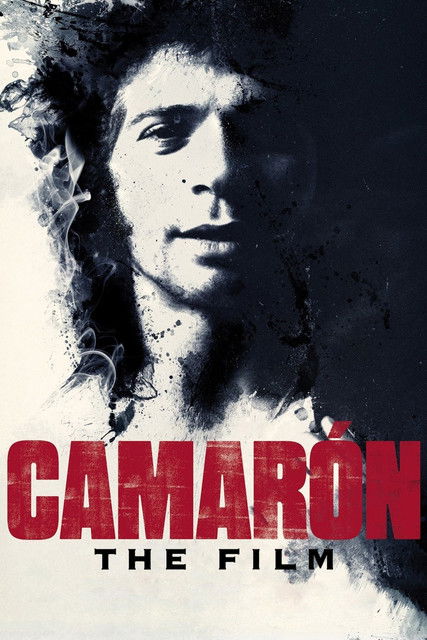
Story overview
This 2018 Spanish documentary explores the life of Camarón de la Isla, a legendary flamenco singer who rose from humble beginnings to become a cultural icon, only to die tragically young. The film chronicles his artistic journey, collaborations with musicians like Paco de Lucía, and the impact of his music, while touching on his personal struggles and early death.
Parent Guide
A documentary about a flamenco legend, best for ages 10+ due to mature themes and subtitles. It offers rich cultural and musical insights but addresses adult topics like addiction and death.
Content breakdown
No violence or peril depicted; the film focuses on biography and music.
Discussions of death and addiction may be sad or unsettling for sensitive viewers, but no graphic imagery is shown.
No offensive language noted; the film is in Spanish with subtitles, focusing on artistic and biographical content.
No sexual content or nudity; the documentary centers on Camarón's life and music career.
Mentions of substance use related to Camarón's life and struggles, but not depicted explicitly.
Emotional themes include passion for music, fame's pressures, and the tragedy of early death, which may resonate deeply with older viewers.
Parent tips
This documentary is suitable for older children and teens interested in music or Spanish culture. It deals with mature themes like addiction and death, so preview it for younger viewers. The film is in Spanish with subtitles, which may challenge younger kids. Use it as a springboard to discuss artistic passion, cultural heritage, and the consequences of fame.
Parent chat guide
Parent follow-up questions
—
- What instruments did you see in the music?
- How did Camarón's singing make you feel?
- Why was Camarón so important to flamenco music?
- What challenges did he face as he became famous?
- How did Camarón's personal struggles affect his career and legacy?
- What does his story reveal about the pressures of artistic fame?
🎭 Story Kernel
The film explores the tension between artistic purity and commercial success through Camarón's life. It's not just about flamenco music but about how genius is often inseparable from self-destruction. The driving force is Camarón's internal conflict—his desire to preserve flamenco's traditional soul while simultaneously pushing it into modern relevance. His relationship with guitarist Paco de Lucía becomes the central creative partnership that both elevates and isolates him. The movie shows how his meteoric rise leads to heroin addiction, framing it not as moral failure but as a tragic consequence of artistic pressure and personal demons.
🎬 Visual Aesthetics
Director Jaime Chávarri employs a gritty, documentary-like visual style that mirrors flamenco's raw emotion. The camera lingers on close-ups of faces during performances, capturing sweat, strain, and ecstasy. Color palette shifts from warm earth tones in traditional settings to cooler, more chaotic hues during Camarón's drug-fueled episodes. The concert sequences use dynamic handheld shots that make viewers feel immersed in the audience. Symbolically, smoke and shadows recur throughout—representing both artistic inspiration and the haze of addiction that eventually consumes him.
🔍 Details & Easter Eggs
💡 Behind the Scenes
Óscar Jaenada spent six months learning flamenco singing and guitar to authentically portray Camarón, including studying with the singer's actual collaborators. The film was shot in authentic locations including the gypsy neighborhoods of La Línea de la Concepción where Camarón grew up. Director Jaime Chávarri insisted on using original Camarón recordings rather than having Jaenada mimic the voice, creating a unique blend of actor's physical performance with the real artist's voice. The production faced controversy from some flamenco purists who objected to depicting Camarón's drug use.
Where to watch
Choose region:
- Netflix
- Netflix Standard with Ads